Irish cinema has long been shaped by prominent literature as much as image. Even when stories unfold in parish halls, on muddy training grounds or under floodlights, they tend to carry the rhythm, restraint and interior focus of the written word. Where other sporting cultures chase spectacle, triumph and transformation, Irish sport cinema lingers on character, memory and consequence. It is less concerned with winning than with what the pursuit of victory reveals.
This tendency is not accidental. Ireland’s storytelling tradition has consistently centered on inner lives over outward display. Ambition is explored through silence, failure through routine, identity through place. When cinema turns its attention to sport, it borrows this same narrative grammar. Matches matter, but rarely in isolation. What matters more is how sport reflects class, community, inheritance and moral pressure.
Sport films elsewhere often follow familiar arcs. Underdogs rise. Systems are overturned. Glory is claimed. Irish sport cinema resists such clarity. Its protagonists are more likely to be constrained than liberated by competition. Teams carry history as much as hope. Victories are temporary, while belonging is enduring.
That sensibility also shapes how audiences engage with sport itself. Discussions around games, form and outcomes frequently function as social rituals rather than assertions of certainty. In that sense, the language used around matchday conversation or GAA odds feels closer to shared storytelling than to prediction. Emphasis is placed on context, who a team represents, what an occasion signifies, rather than on outcome alone.
Where Literature Shapes the Lens
The influence of Irish writers on national film culture is widely acknowledged, but their impact on sport storytelling is less often examined. Writers such as Claire Keegan, John McGahern, Colm Tóibín and Roddy Doyle have shaped a narrative voice in which restraint, moral pressure and unspoken expectation are central. Their work is rooted in small communities, where social codes operate quietly but decisively.
Claire Keegan’s fiction offers a particularly clear reference point. Her writing is sparse, atmospheric and rich in implication, allowing meaning to emerge without overt explanation. This approach has filtered into Irish cinema, including films that orbit sport without being consumed by it. Training sessions, dressing rooms and post-match silences become reflective spaces rather than moments of release or triumph.
Sport in these films is rarely detached from ordinary life. It exists alongside farming, factory work, school and family obligation. Matches do not provide escape so much as another arena in which identity is negotiated. This echoes McGahern’s rural worlds, where routine and repetition carry their own quiet drama.
GAA as Narrative Backbone
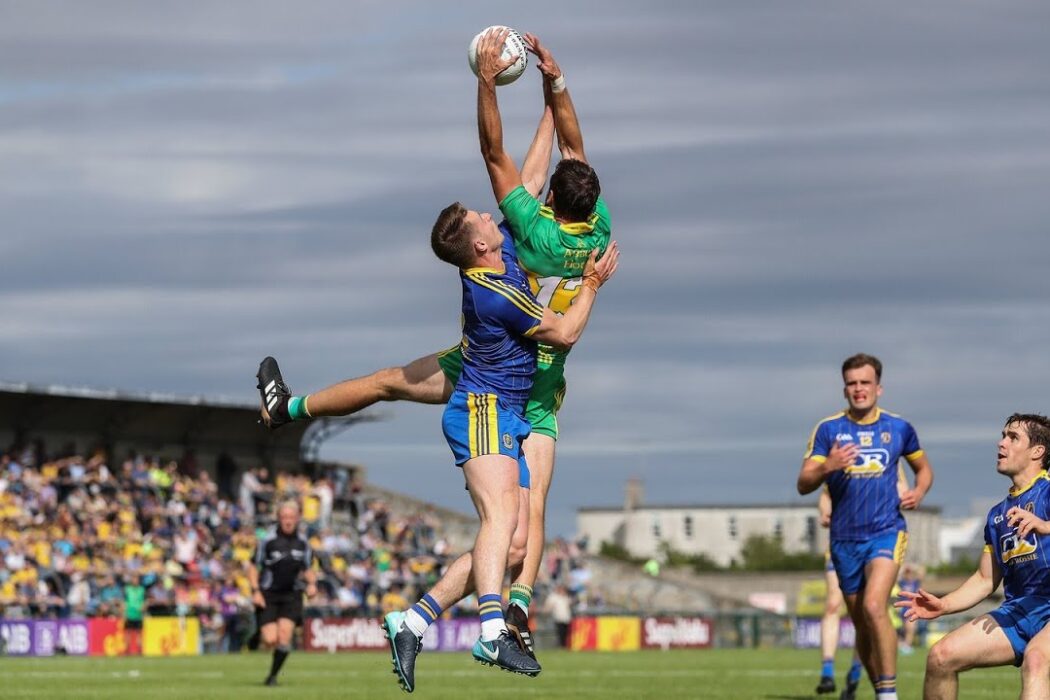
No sporting institution is more deeply entwined with Irish storytelling than the GAA. Gaelic games are not simply competitive structures; they are social frameworks embedded in place, memory and continuity. For filmmakers influenced by literature, this makes them an ideal narrative foundation.
The amateur ethos of the GAA aligns naturally with recurring literary concerns around duty, sacrifice and belonging. Players train after work. Careers are shaped as much by geography as by talent. Leaving a club or county often carries emotional consequence. These tensions mirror those explored repeatedly in Irish novels and short stories.
Films that touch on Gaelic sport rarely frame it as a ladder to escape. Instead, it becomes a lens through which generational change, migration and identity are examined. The pitch is a stage, but the drama lies in what surrounds it.
Why Irish Sport Films Land Differently
This literary inheritance explains why Irish sport cinema feels tonally distinct. There is little emphasis on spectacle or excess, and far more attention paid to texture. Scenes unfold slowly. Dialogue is economical. Music is used with restraint. Directors trust audiences to read between the lines.
This approach can frustrate viewers accustomed to the emotional cues of mainstream sports films. Yet it is precisely this understatement that gives Irish sport cinema its durability. These films linger because they resist easy resolution.
They also age well. Rooted in character rather than trend, they endure as social documents. They reflect how sport functions in Irish life not merely as entertainment, but as a shared cultural language across generations.
A Tradition That Continues to Evolve
Contemporary filmmakers continue to draw on literary influence, even as production values rise and audiences expand. Modern Irish sport films may be more visually confident, but their narrative instincts remain cautious and humane. Success is treated carefully; failure is given space.
New voices have broadened the canon, introducing different perspectives while retaining the core emphasis on interiority. Sport remains a vehicle rather than a destination. Success is treated carefully. Failure is given space.
Why the Obsession Endures
Ireland’s enduring attachment to literature ensures this relationship will continue. As long as storytelling remains central to national identity, sport on screen will reflect that inward gaze. The written word has taught Irish cinema to look beyond outcome and towards meaning.
Sport provides drama. Literature provides depth. Together, they have shaped a body of work that resists easy categorisation. Irish sport cinema does not announce itself. It observes — and in doing so, remains unmistakably its own.