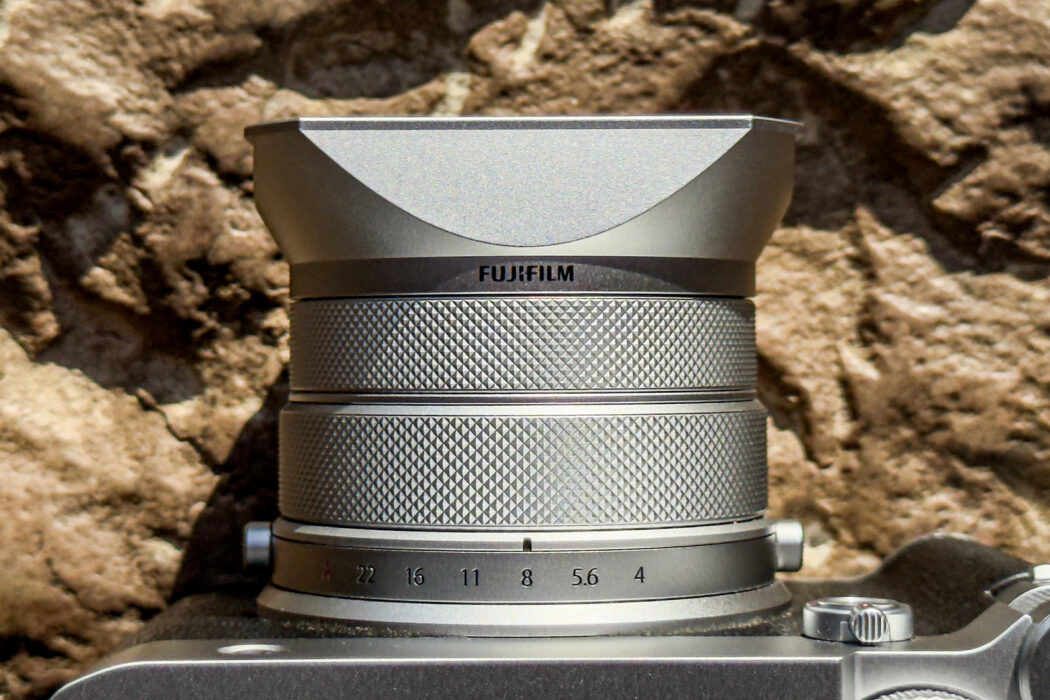
Established in 1934, FUJIFILM is a household name synonymous with imaging and has its roots in the printing industry. Indeed, FUJIFILM began life as Fuji Photo Film Co., specialising in photographic film and paper. In 1940, FUJIFILM began manufacturing optical glass and lenses, giving birth to the first FUJINON lenses. In 1948, FUJI colour film and the FUJICA SIX IA, FUJIFILM’s first camera, were introduced.
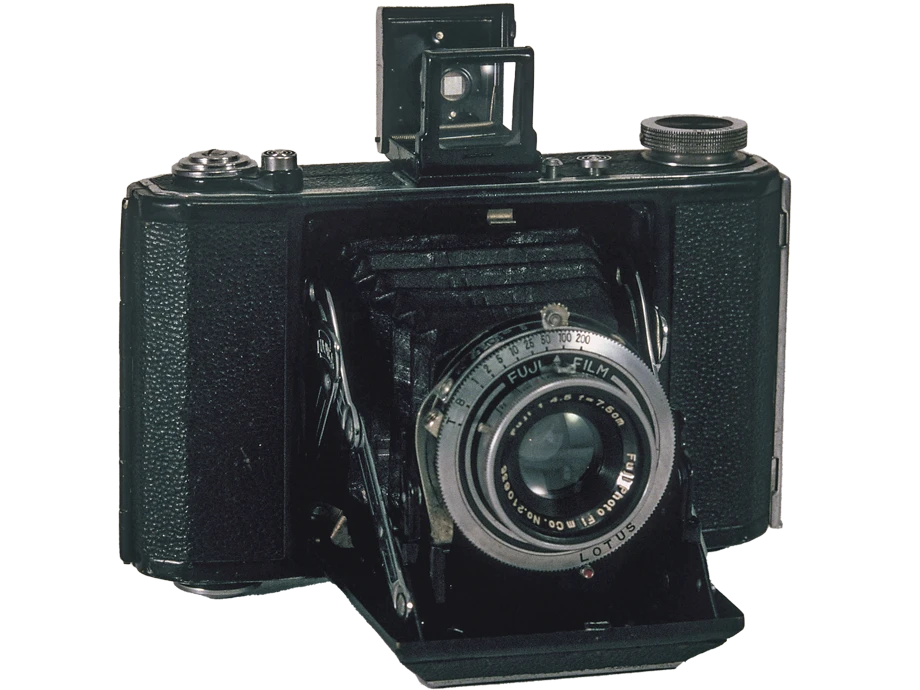
Source: FUJIFILM Holdings Corporation
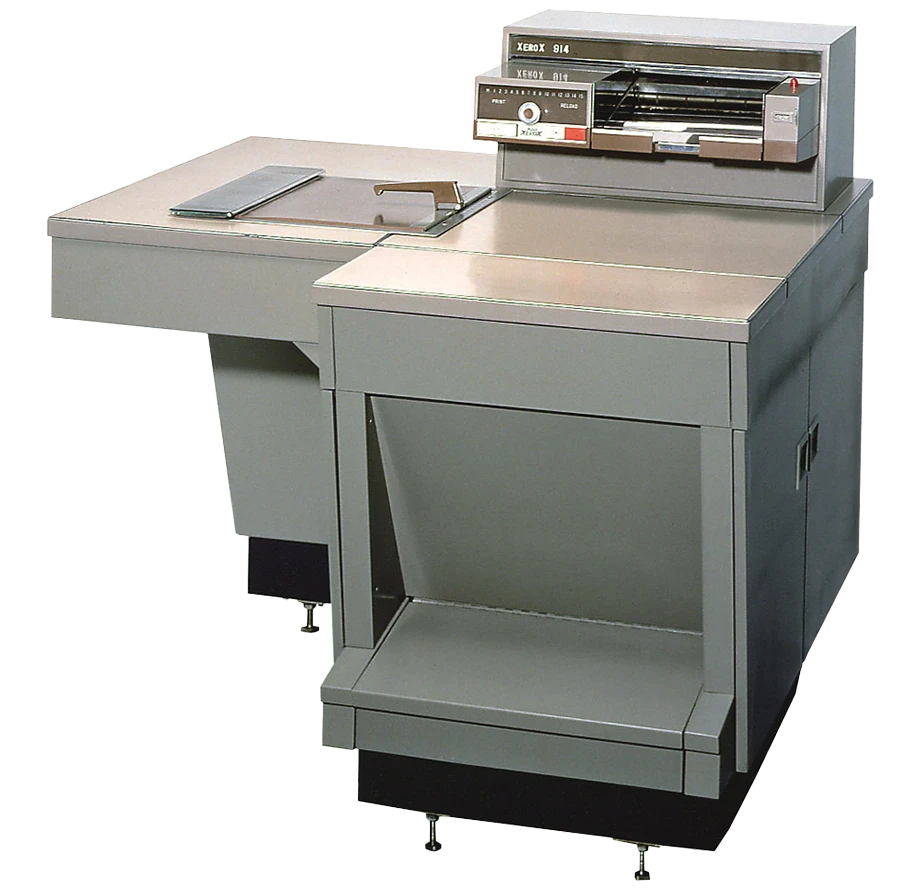
Source: FUJIFILM Holdings Corporation
The next forty years saw the brand undertake advancements in film, camera development and even a partnership with Xerox. In 1988, FUJIFILM developed the world’s first fully digital camera capable of writing to a memory card – the prototype FUJIX DS-1P – which set the stage for all subsequent digital FUJIFILM cameras. FUJIFILM’s imaging expertise, combined with its drive for digital camera innovation, has now led us to the introduction of its latest range of GFX Series cameras.
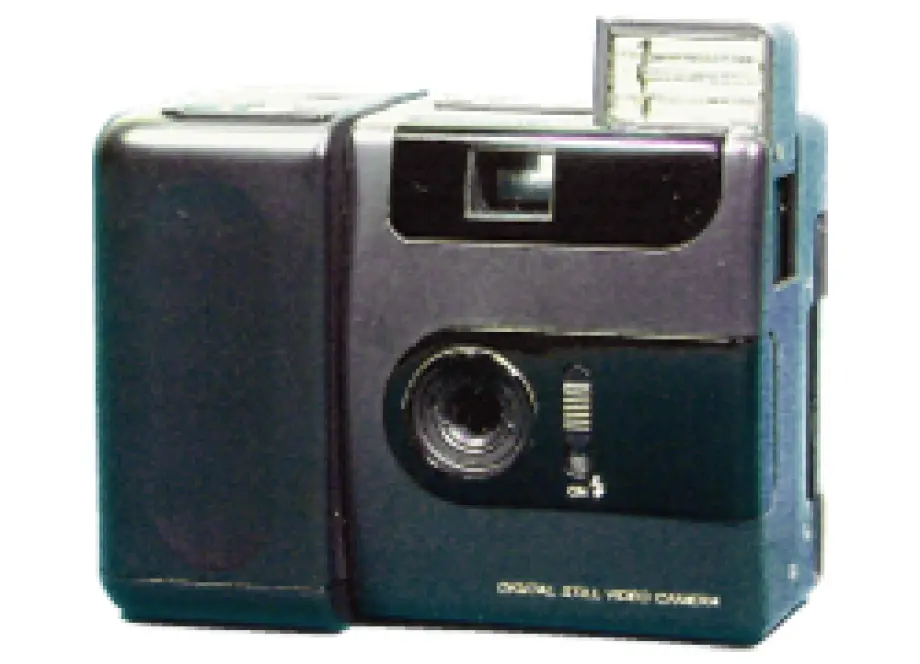
Source: FUJIFILM Holdings Corporation
In 2016, the GFX Series was introduced with the GFX 50S. This new line of digital cameras was introduced to build upon the already successful X Series. Still, it was aimed directly at professional shooters, providing a larger medium-format mirrorless sensor, a G-Mount for GFX interchangeable lenses, and an X-Processor for quick image processing.
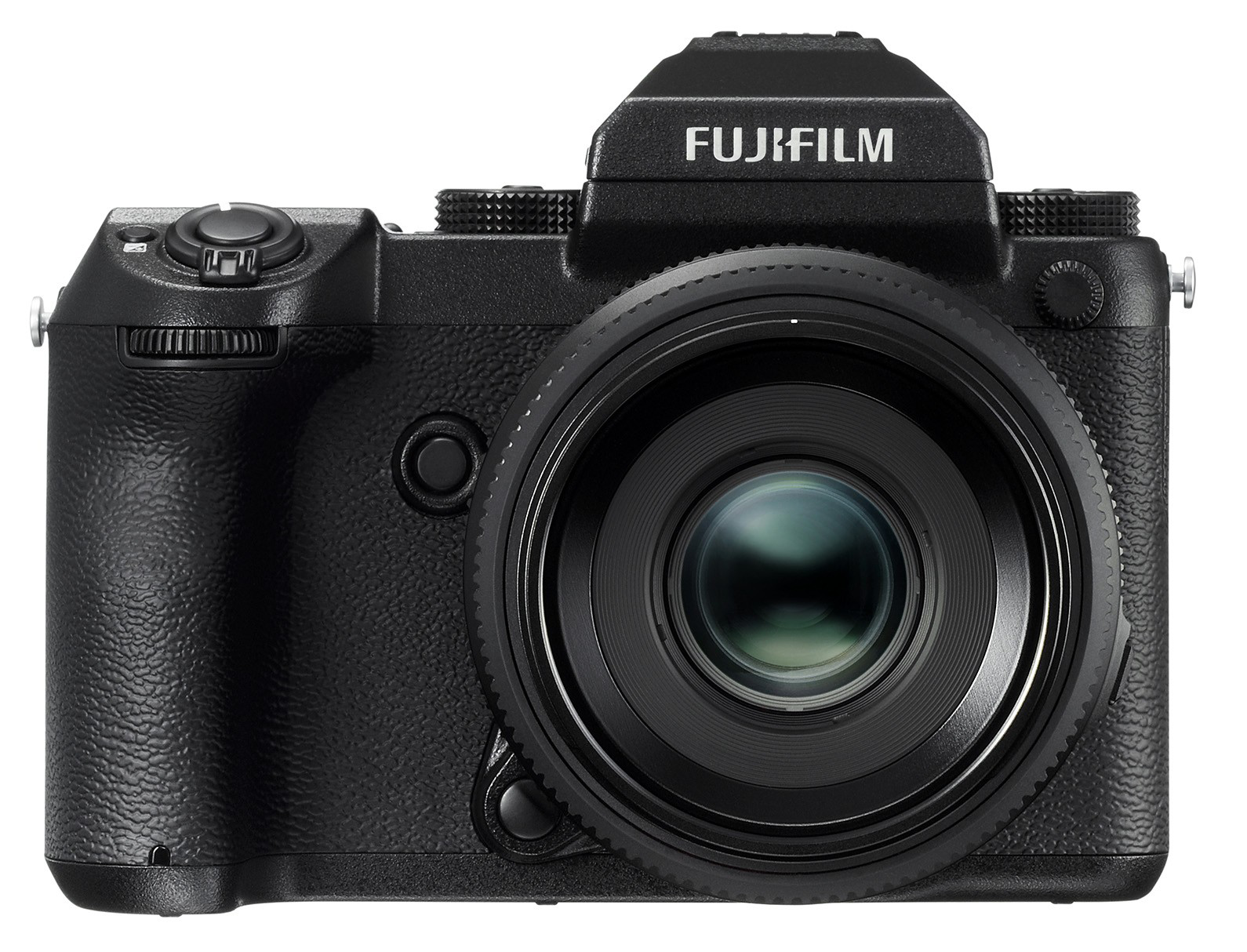
Source: FUJIFILM Holdings Corporation
Earlier this year, FUJIFILM unveiled the GFX-100RF: the first GFX Series camera to feature a fixed lens. Equipped with the same large-format 102-megapixel CMOS II sensor and X-Processor 5 featured on the GFX-100S II, the GFX-100RF promises to deliver large-format resolution, with the power to match, packaged with a retro aesthetic.
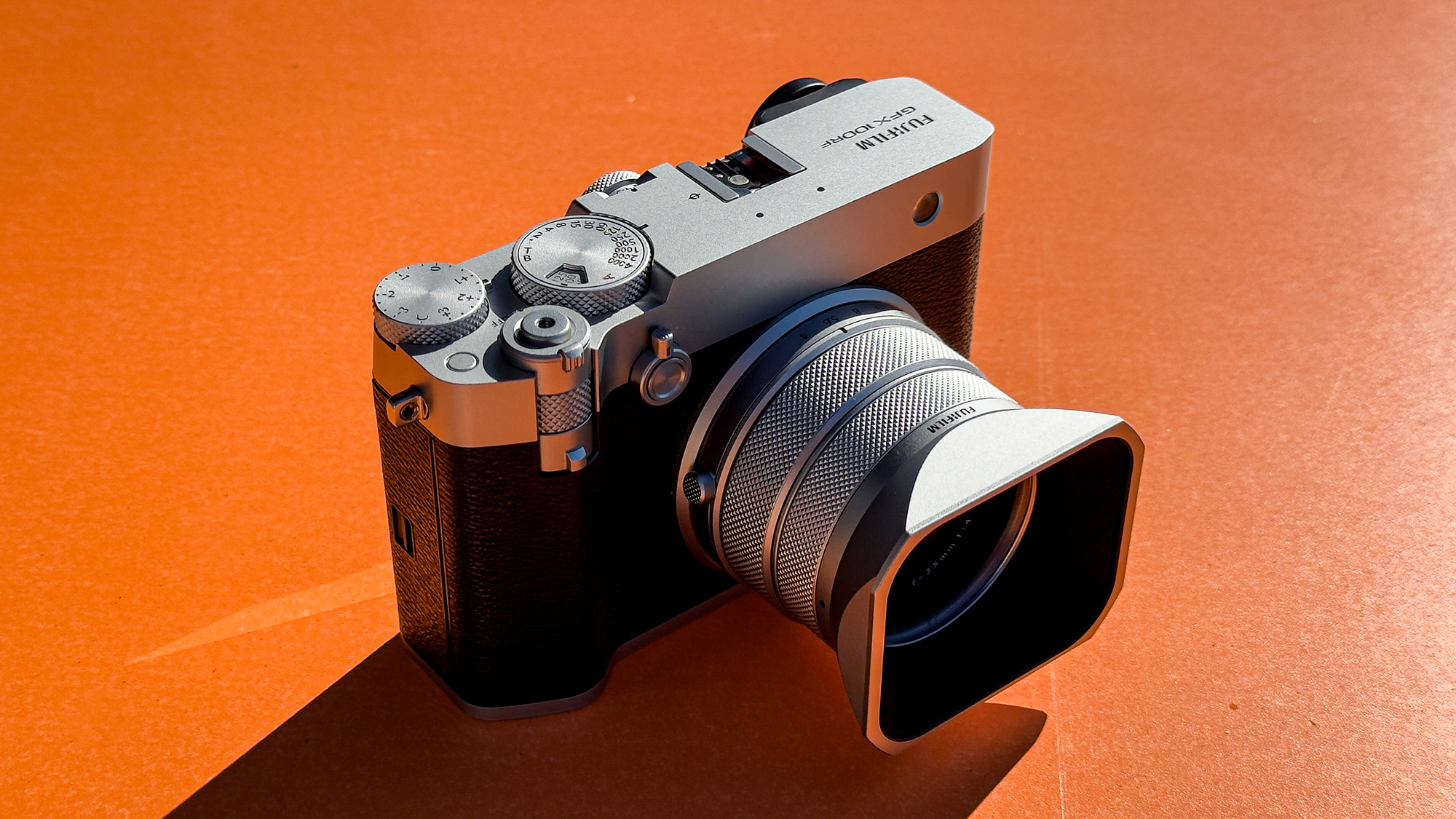
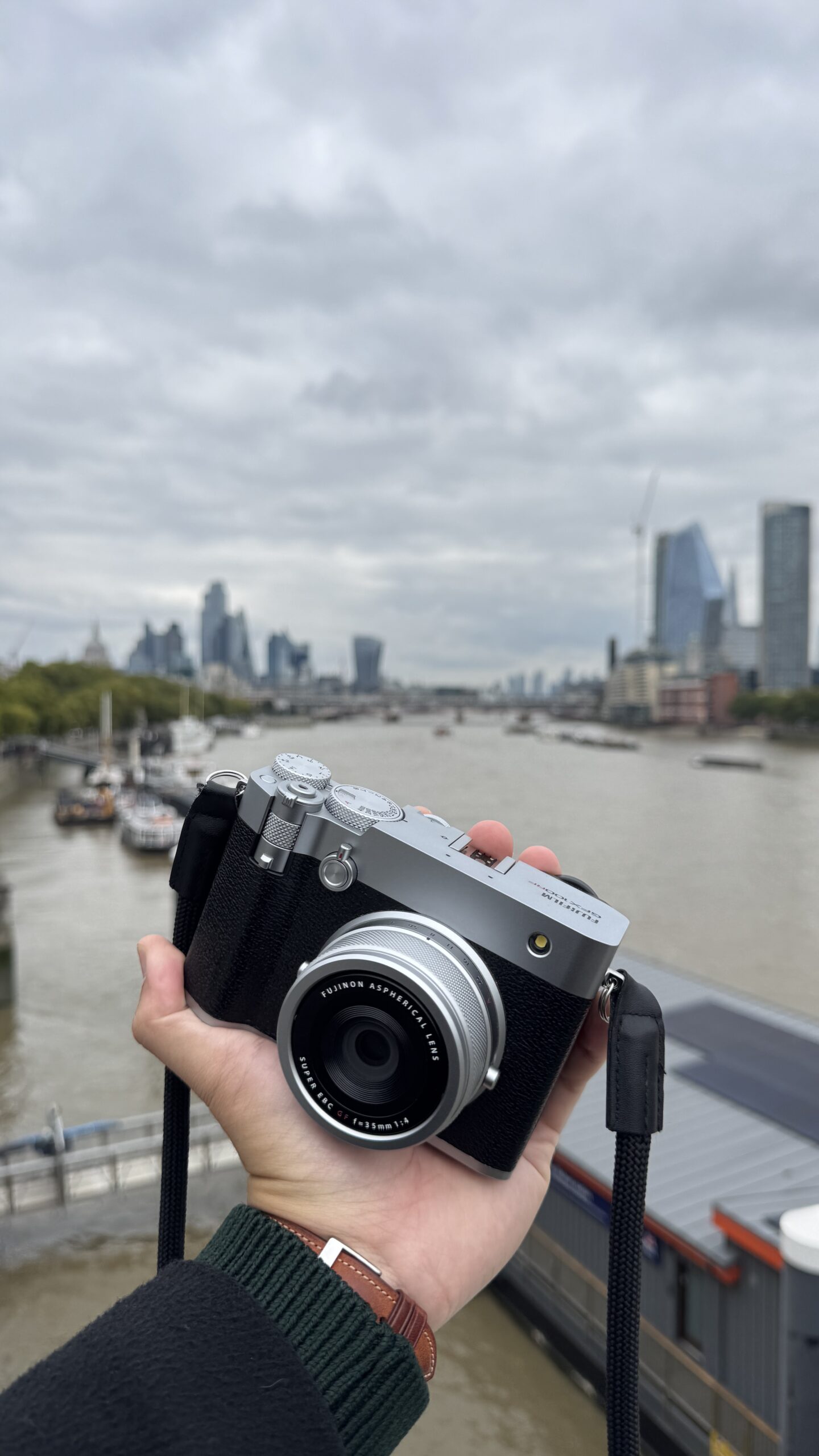
The design of the GFX-100RF is timeless, elegant and minimalist – I’d expect nothing less from an iconic Japanese brand. The GFX-100RF features several aluminium elements in its construction, a defining feature of FUJIFILM cameras since the introduction of the DS-1P. These machined aluminium elements, whether finished in silver or black, pay homage to FUJIFILM’s past cameras and provide an analogue look with a sense of nostalgia. In fact, this camera looks just as good on a coffee table as the photos it can produce.
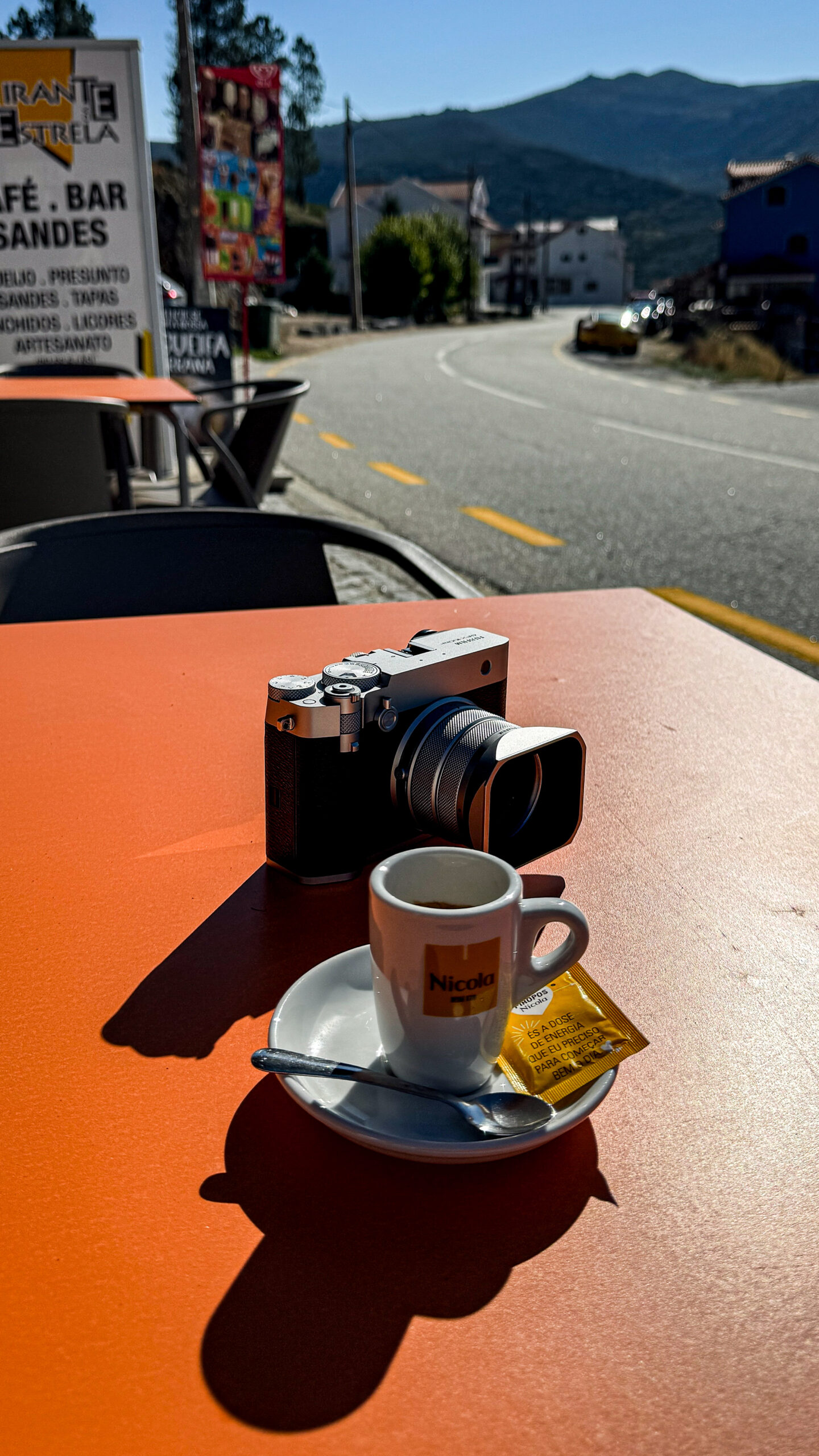
The GFX-100RF weighs just 735g, making it the lightest GFX-series camera ever. During my time exploring cities with the GFX-100RF, I carried it handheld, and at no point did the weight feel imposing. In the hand, the GFX-100RF feels solid and well-built, but don’t be mistaken: despite its weight, this is not a pocket point-and-shoot by any means – it is a full-size mirrorless camera boasting large-format capabilities, with proportions similar to those of full-frame cameras sans the weight of a bulky lens.
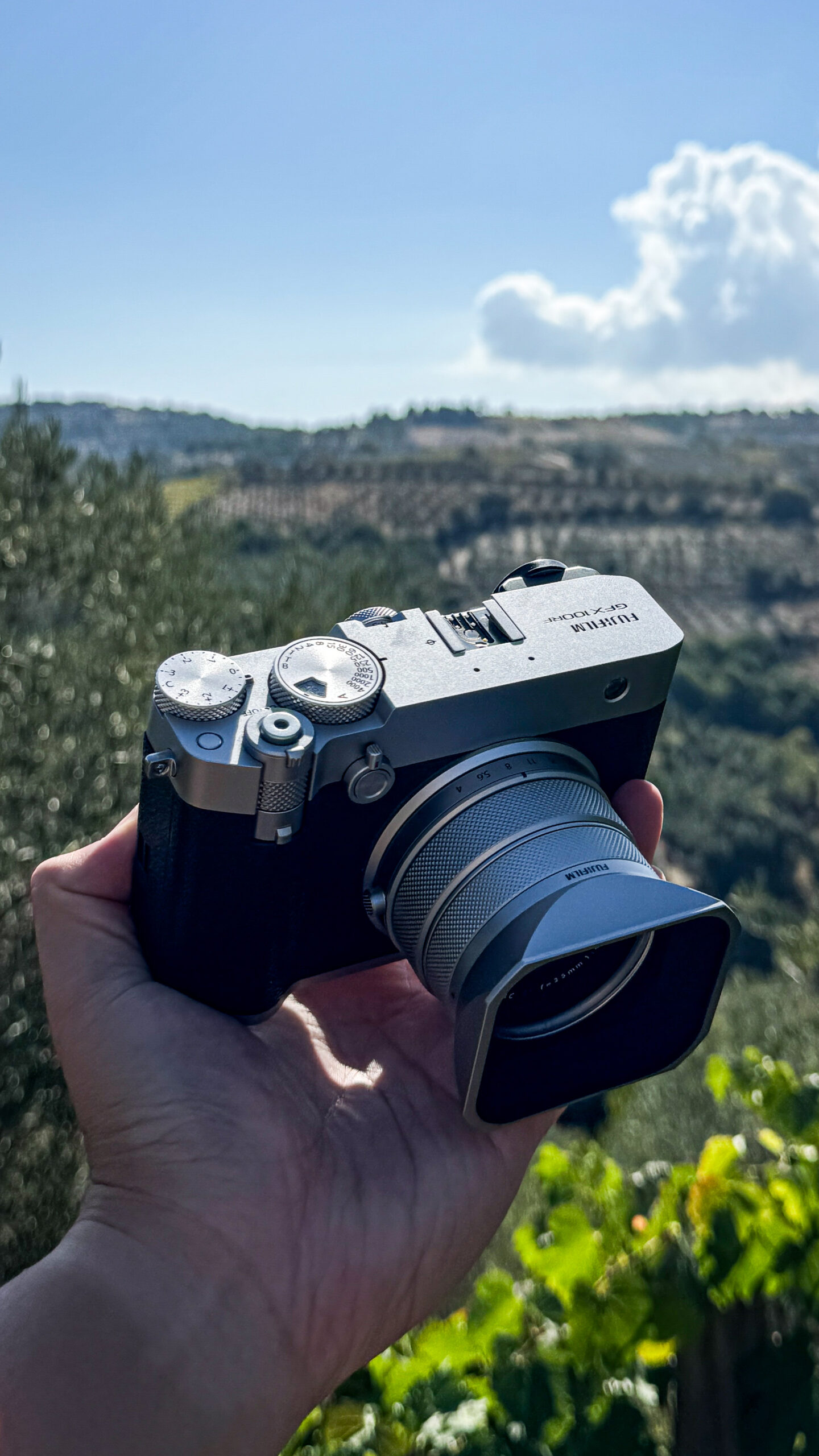
A unique feature of the GFX-100RF is the Aspect Ratio Dial, which lets the user choose and shoot in nine aspect ratios, all of which have been used in film photography. This is achieved by real-time cropping during JPEG shooting. When shooting RAW, the entire frame is captured, regardless of the chosen aspect ratio.
The Aspect Ratio Dial on the GFX-100RF is a niche feature that speaks to the target audience FUJIFILM envisioned when developing this camera. The GFX-100RF is aimed at those who have a deep appreciation for shooting on film, but who demand the quick processing speed of the X-Processor 5 over a traditional darkroom. The various aspect ratios paired with the 35mm focal length ensure intent whilst shooting – after all, composition and subject need to be considered when capturing an image; we’re not here for a slapdash point-and-shoot. Is this feature going to be used by a casual photographer who wants to upload their vacation photos to Instagram? No.
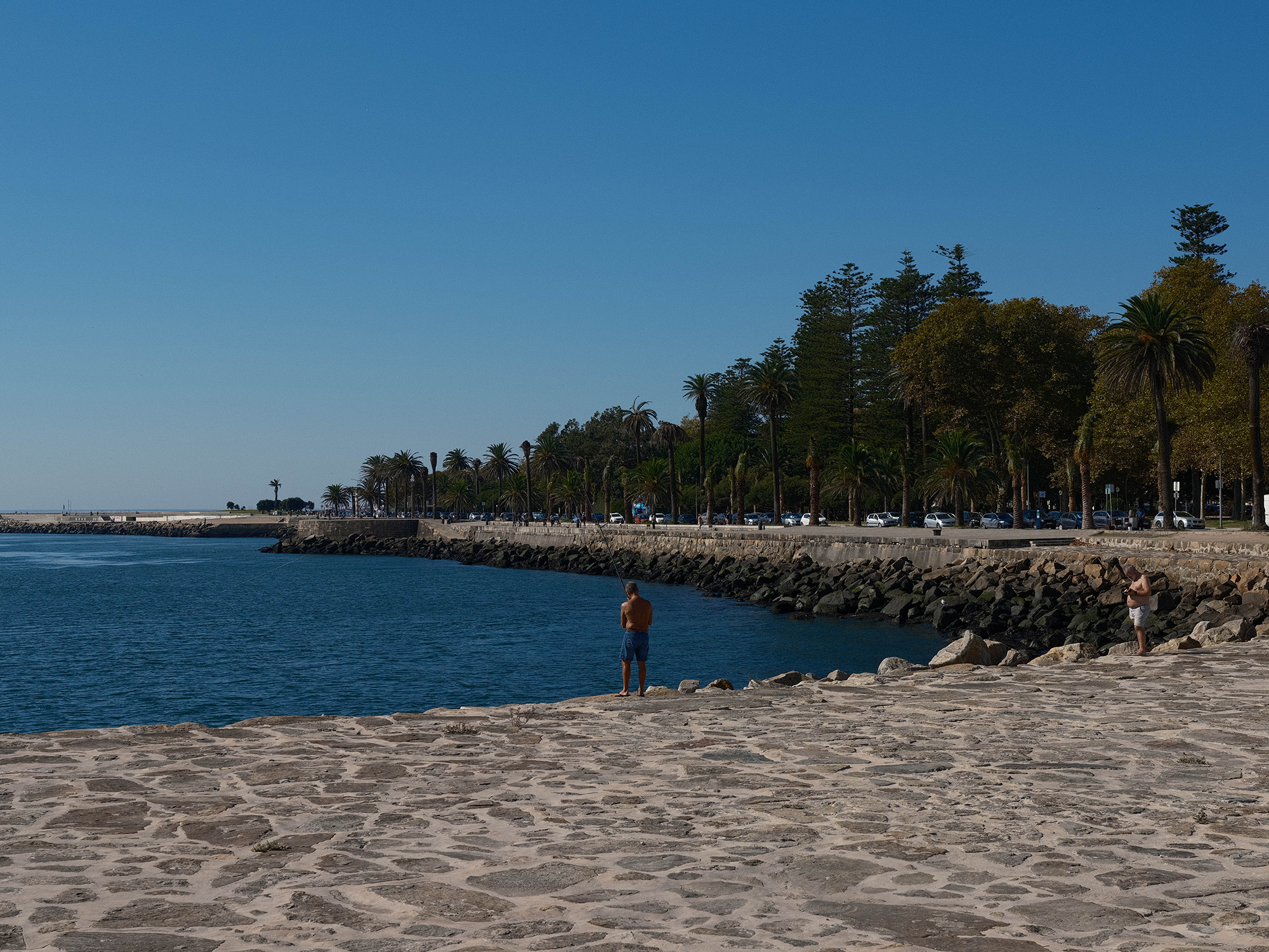
The Digital teleconverter is another feature exclusive to the GFX-100 RF. This allows the GFX-100 RF to simulate longer focal lengths at 45mm, 63mm, and 80mm, but it sacrifices resolution and utilises fewer megapixels: 62MP, 31MP, and 20MP, respectively.
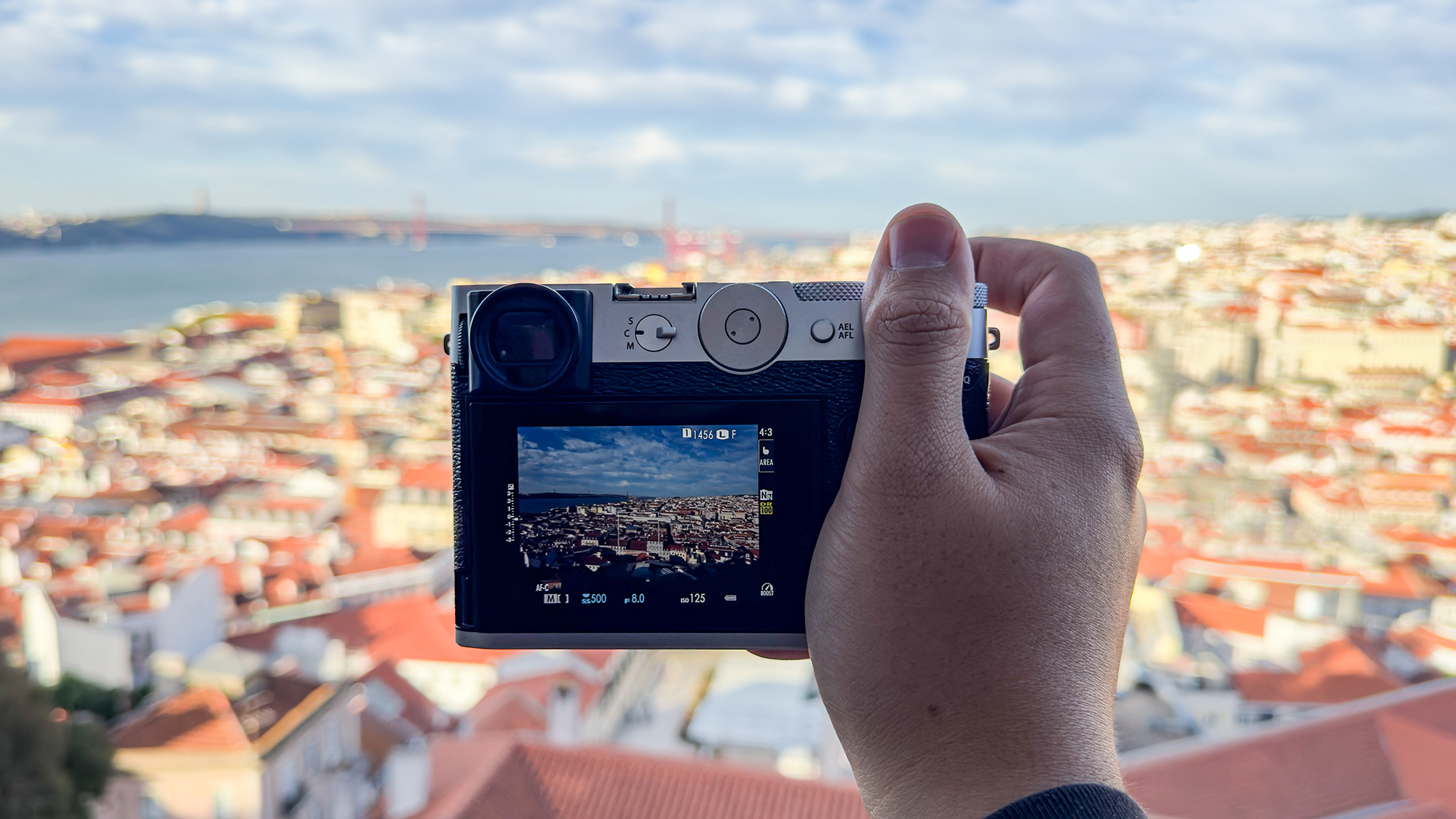
In the absence of Zoom, the Digital Teleconverter proved helpful, but I often found myself reverting to full frame. Perhaps it’s my second nature kicking in – I’m used to a traditional zoom setup, but it’s worth noting I’m not a fan of similar in-camera cropping features on the GFX-100RF’s competitors. Some may prefer the ease of in-camera cropping without post-production, but I’d rather crop in post without sacrificing resolution.

Cropped Image
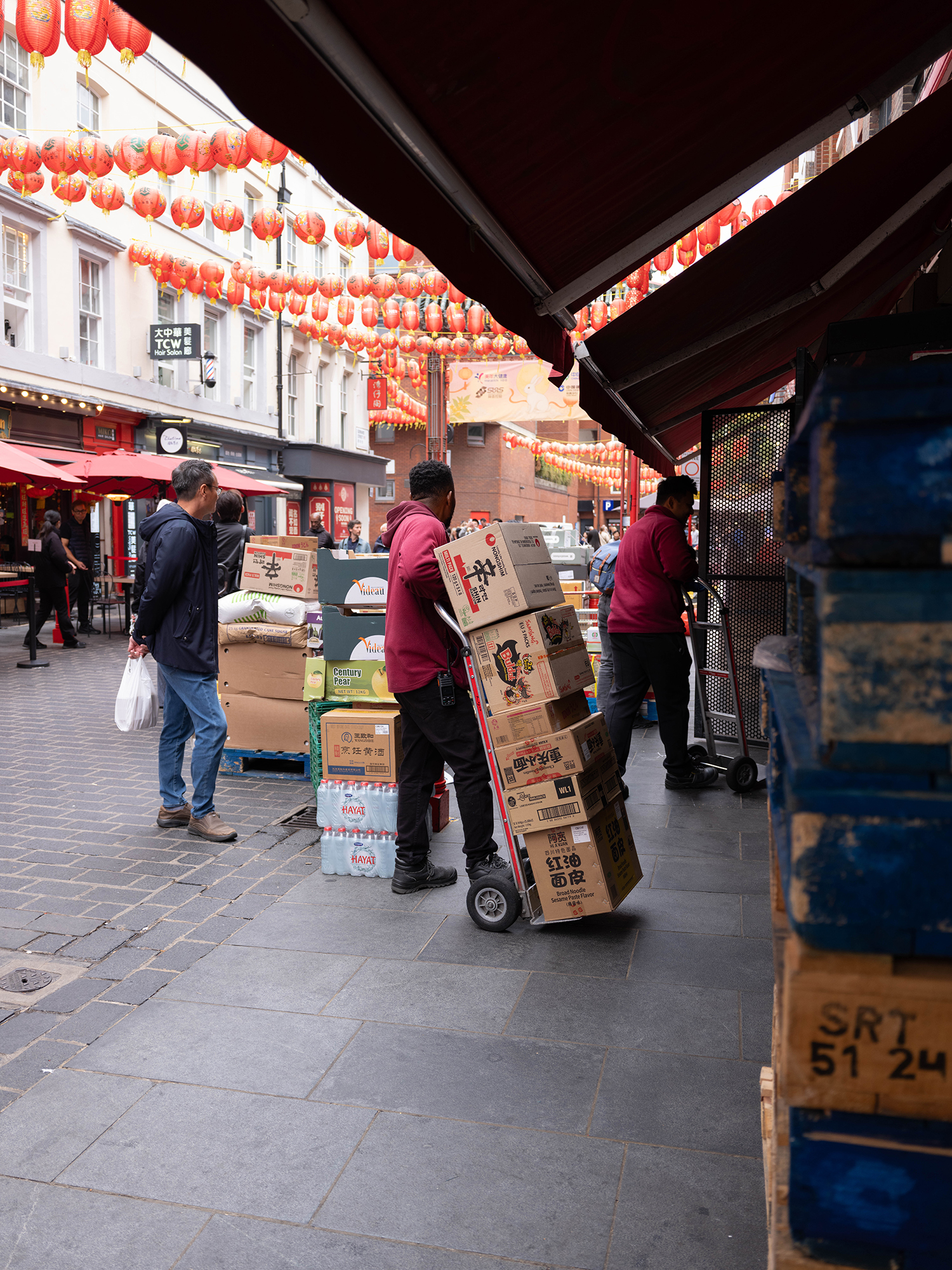
Original Frame
In practice, both the Aspect Ratio Dial and Digital Teleconverter encourage more deliberate composition. However, the latter’s lower resolution means it’s best reserved for moments when getting physically closer to your subject isn’t an option.
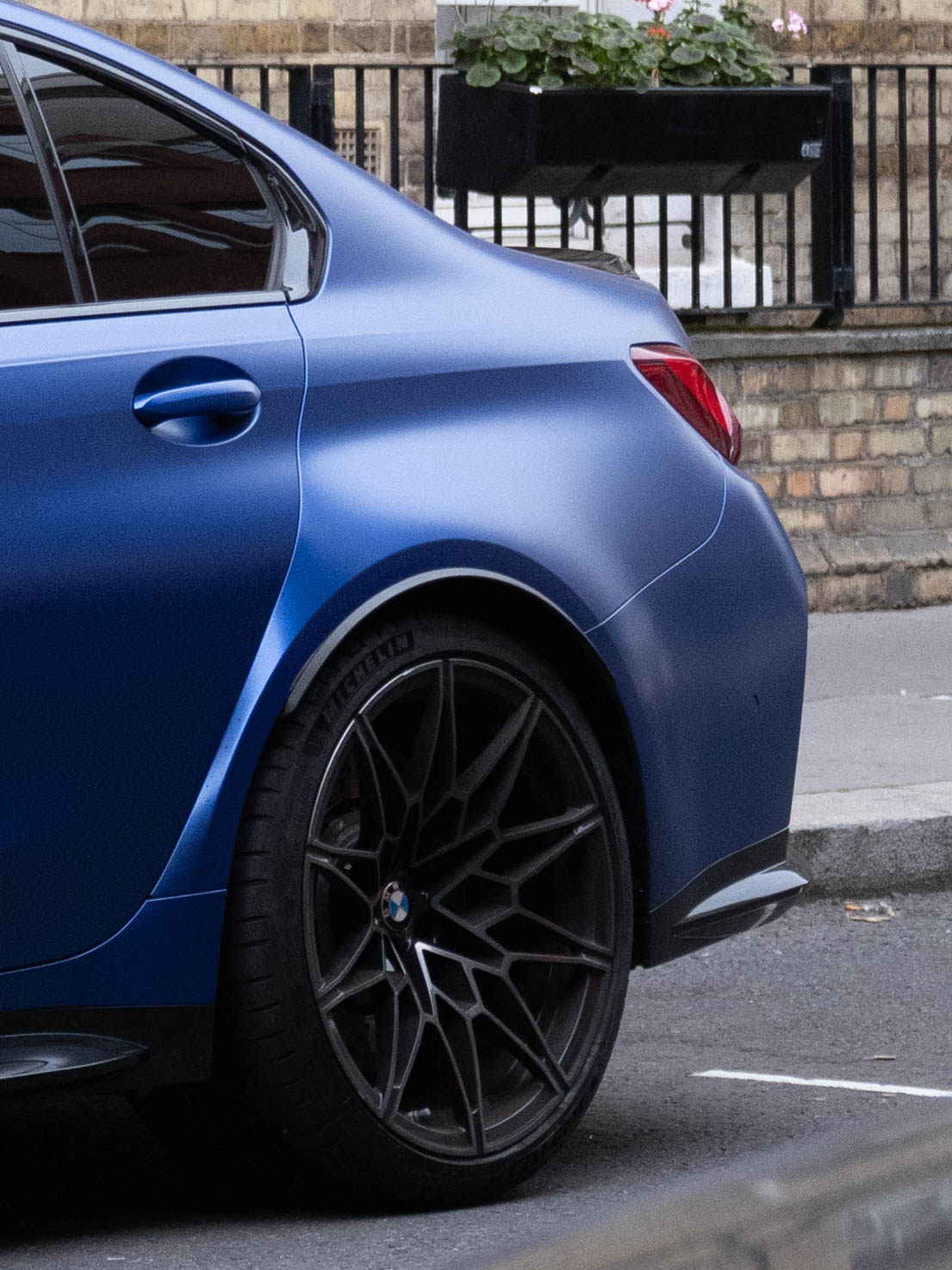
Cropped Image
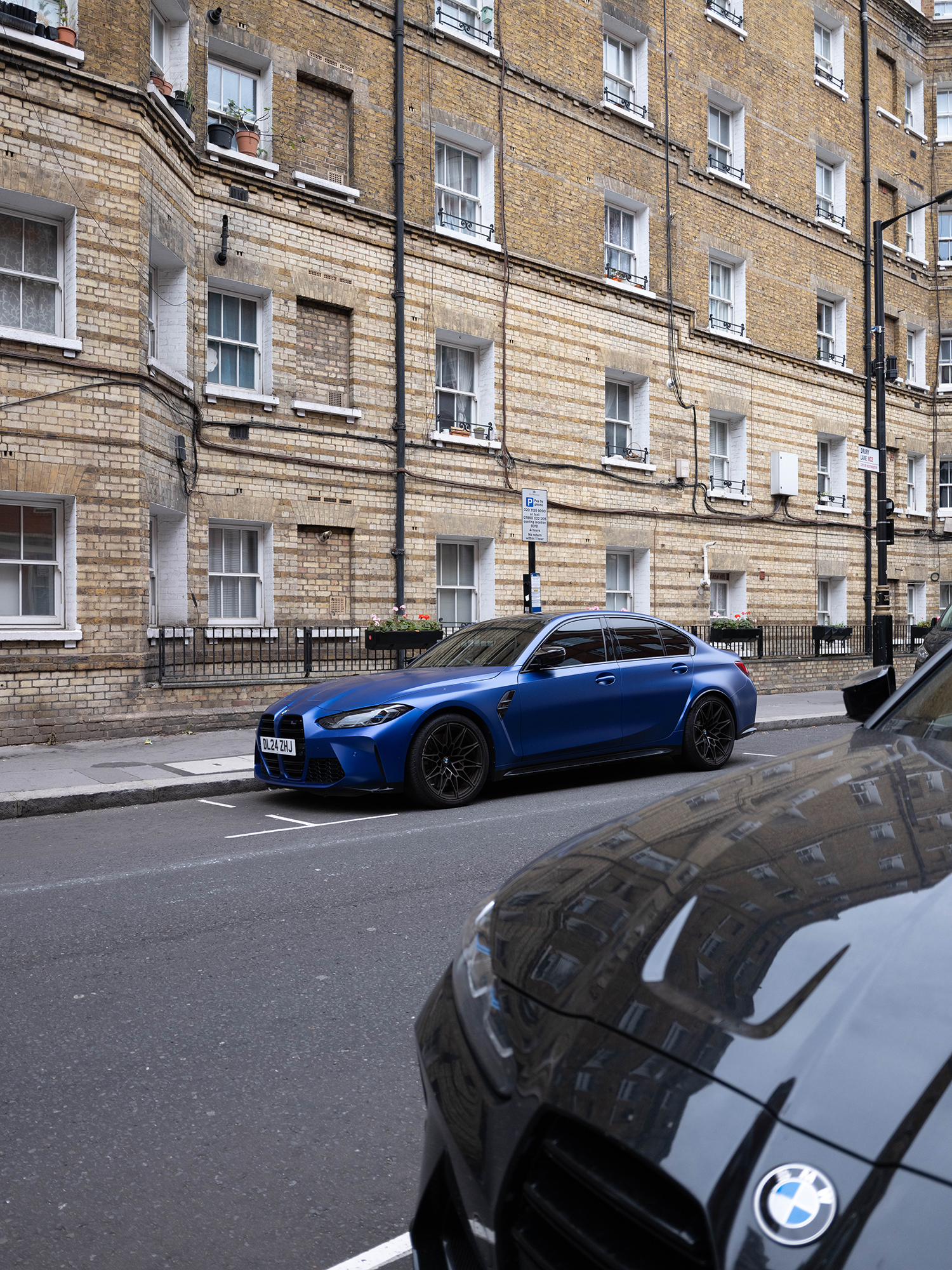
Original Frame
You can find built-in Film Simulation across FUJIFILM’s range of X and GFX Series cameras. As the name suggests, this allows the user to select from a plethora of looks that mimic the characteristics of shooting on film. This function, whilst not model-specific, provides an extra layer of creativity for the user to play with whilst nodding to FUJIFILM’s origins. It’s worth noting that if you don’t love the Film Simulation options, you also have several customisable modes where you can tailor your own look and feel in camera.




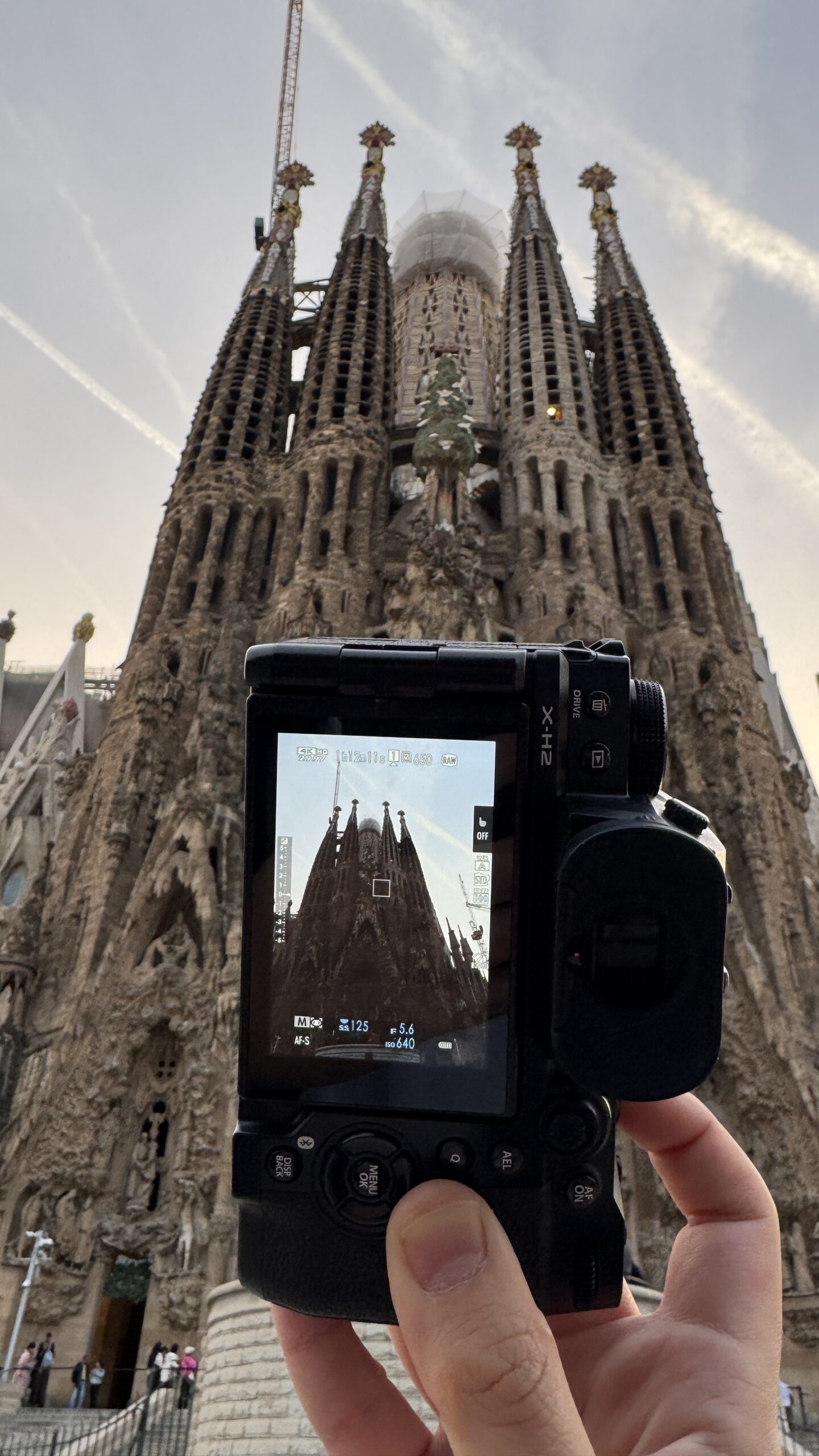
Discovering more about the brand over the last year while attending two different FUJIKINA photography festivals was eye-opening. This is far beyond a technology company that sells cameras; the company and its consumers share a genuine, long-standing appreciation for the craft. This isn’t about how much the camera costs or how many likes you can get on social media. It’s a shared passion for capturing moments, regardless of your skill level. A FUJIFILM camera is for the storyteller; those on a creative journey eager to discover more about photography.
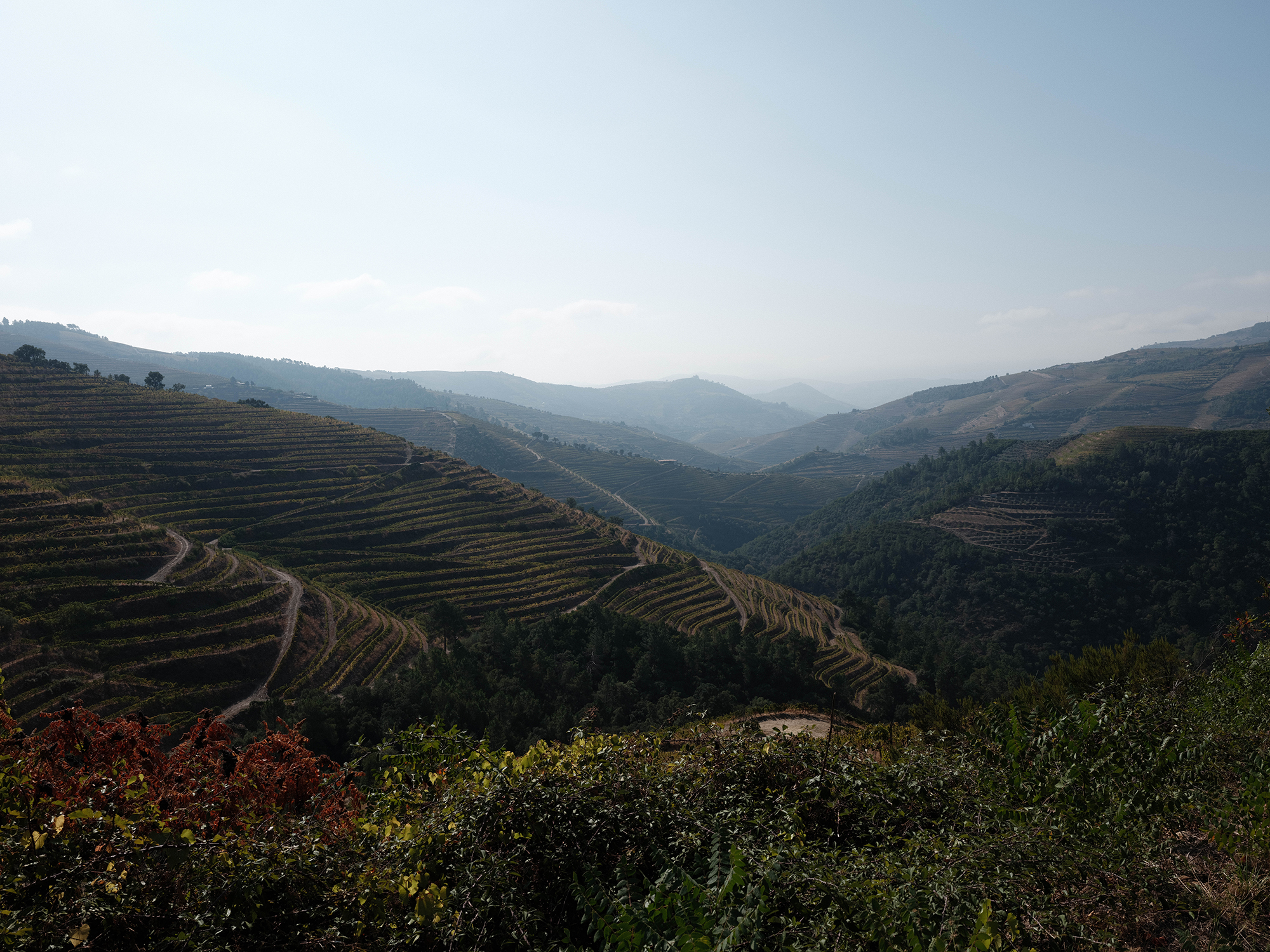
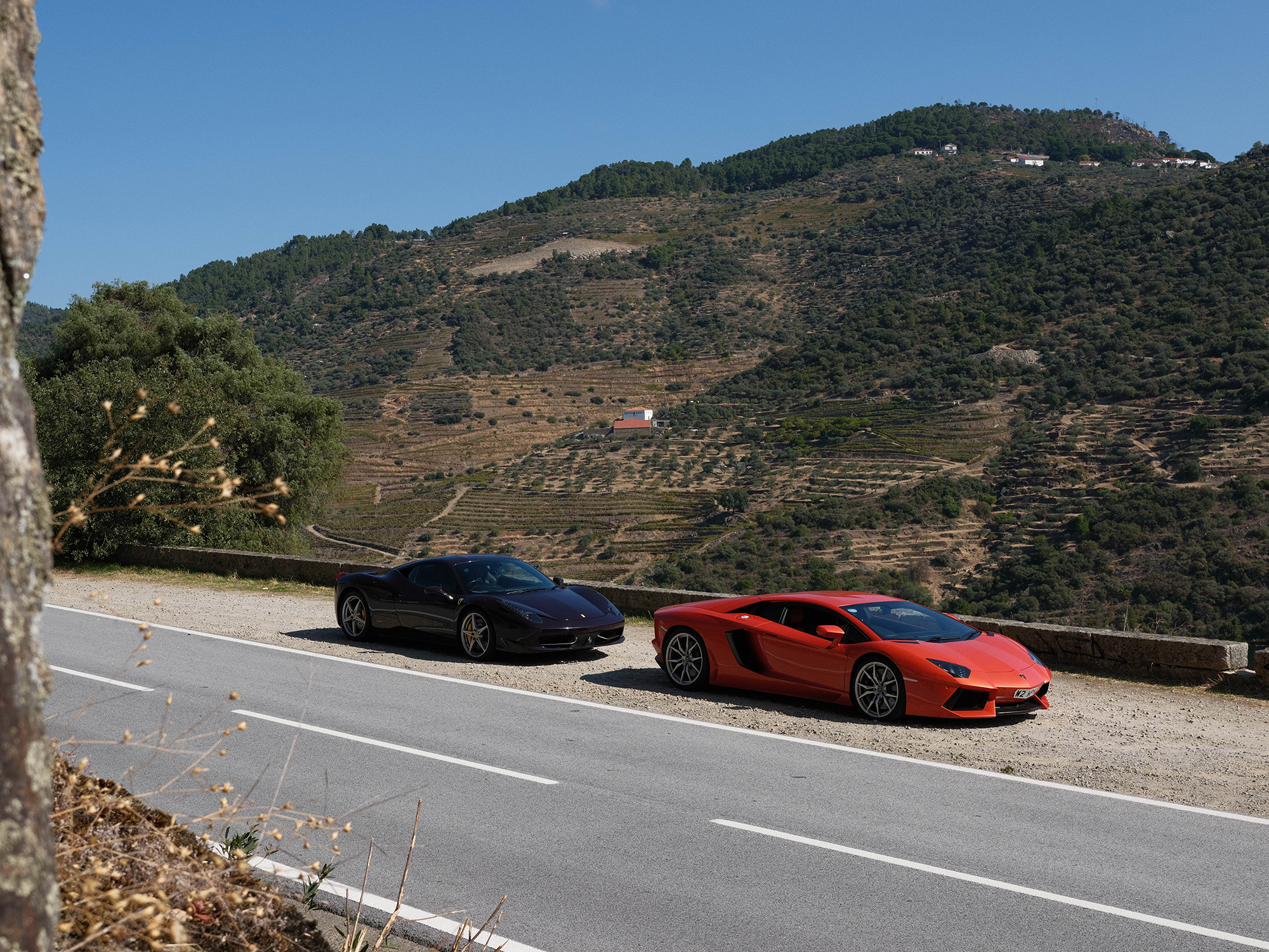
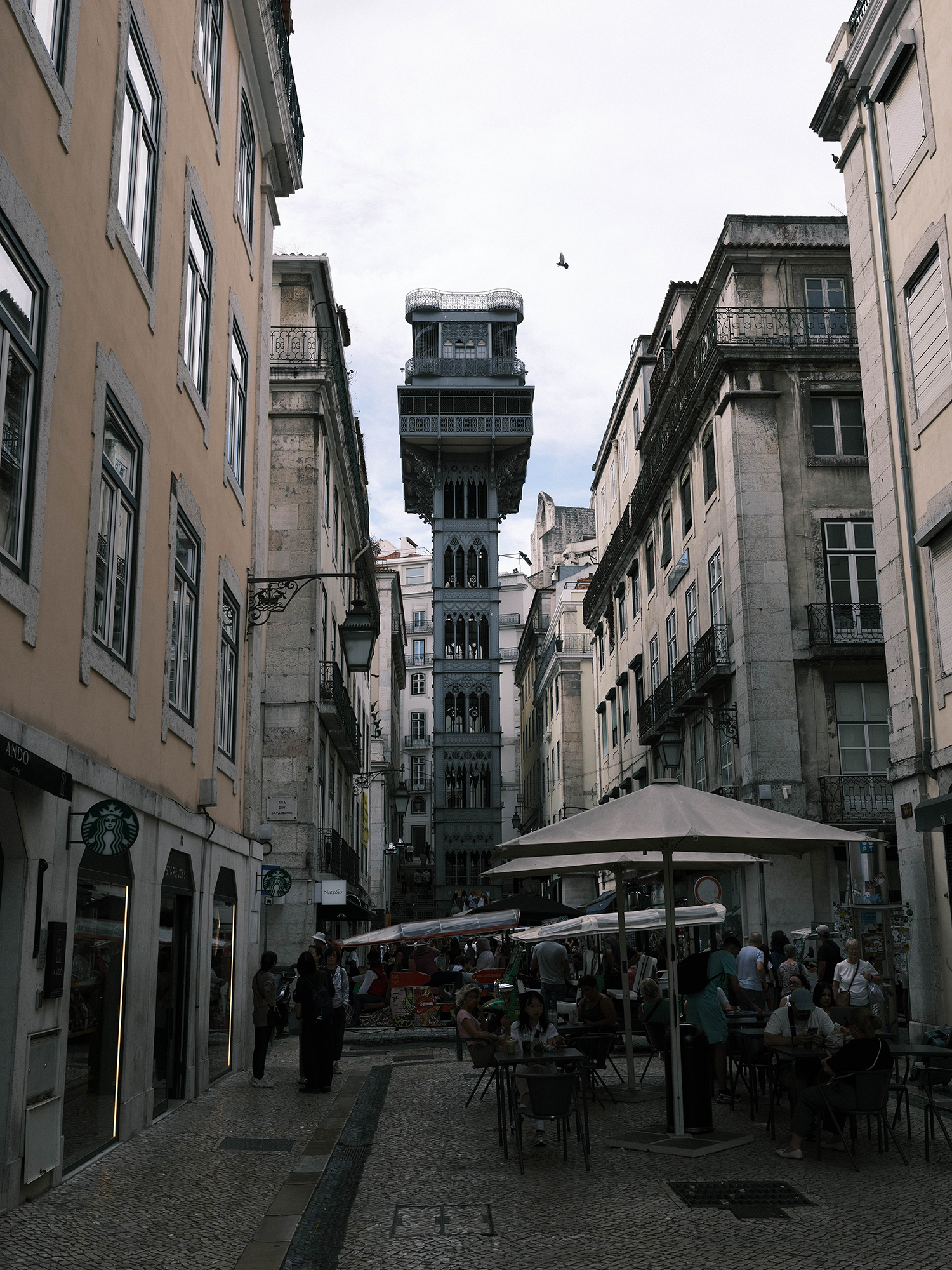
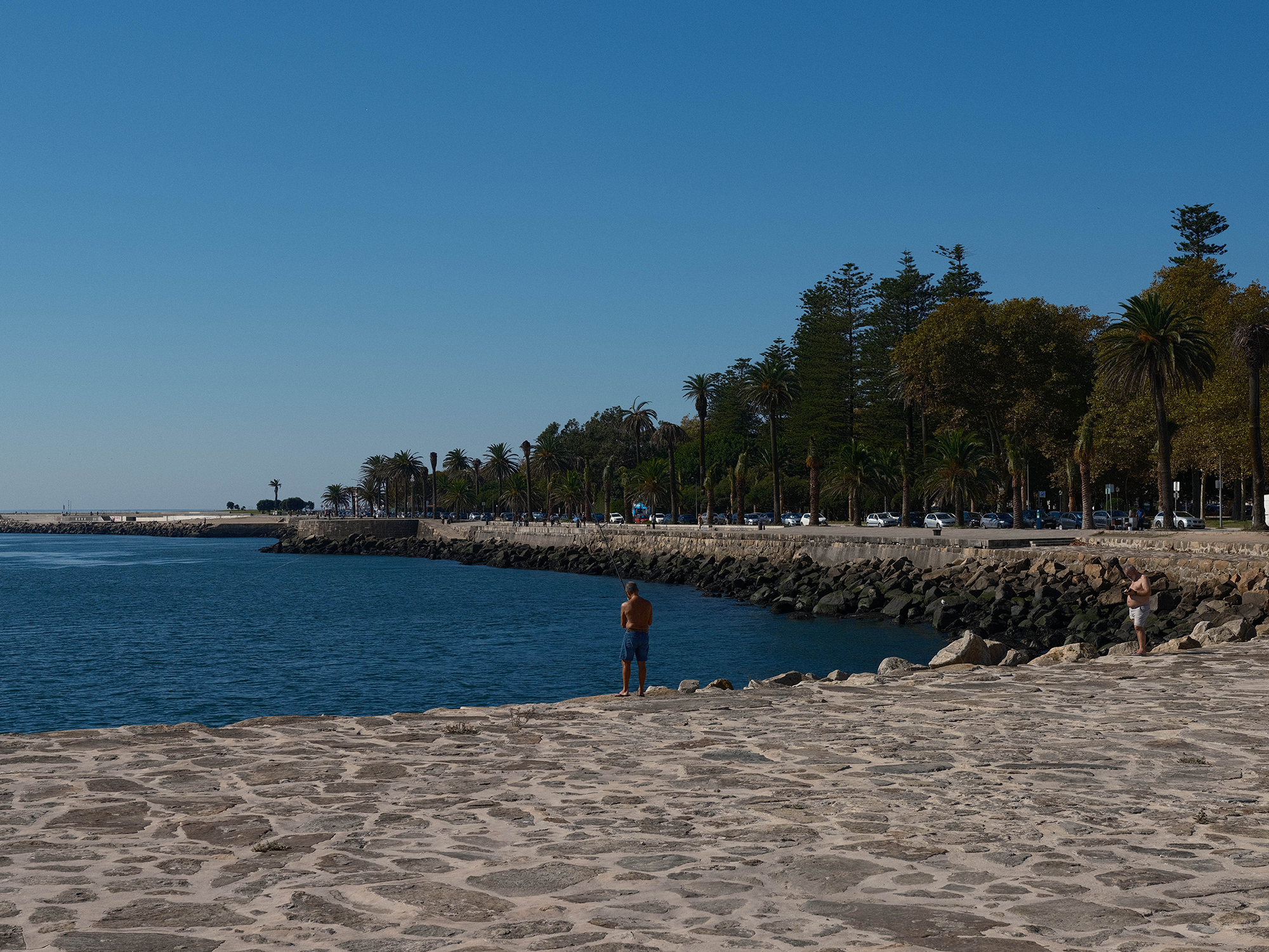
With that being said, the GFX-100RF is an awe-inspiring bit of kit which leans more into the ‘pro’ in the world of ‘prosumer’ cameras. When shooting 102MP uncompressed RAWs, each picture is a whopping 200 MB (which the casual photographer will likely never use unless you plan to have your vacation photos on billboards). The detail, however, is remarkable, as one would expect from such a high resolution.
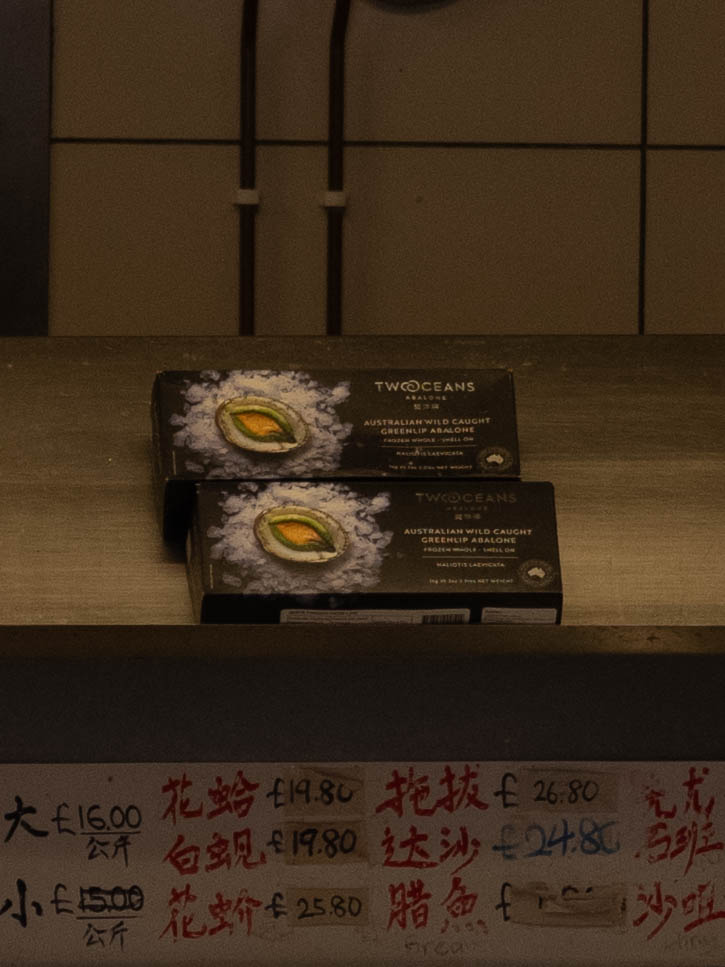
Cropped Image
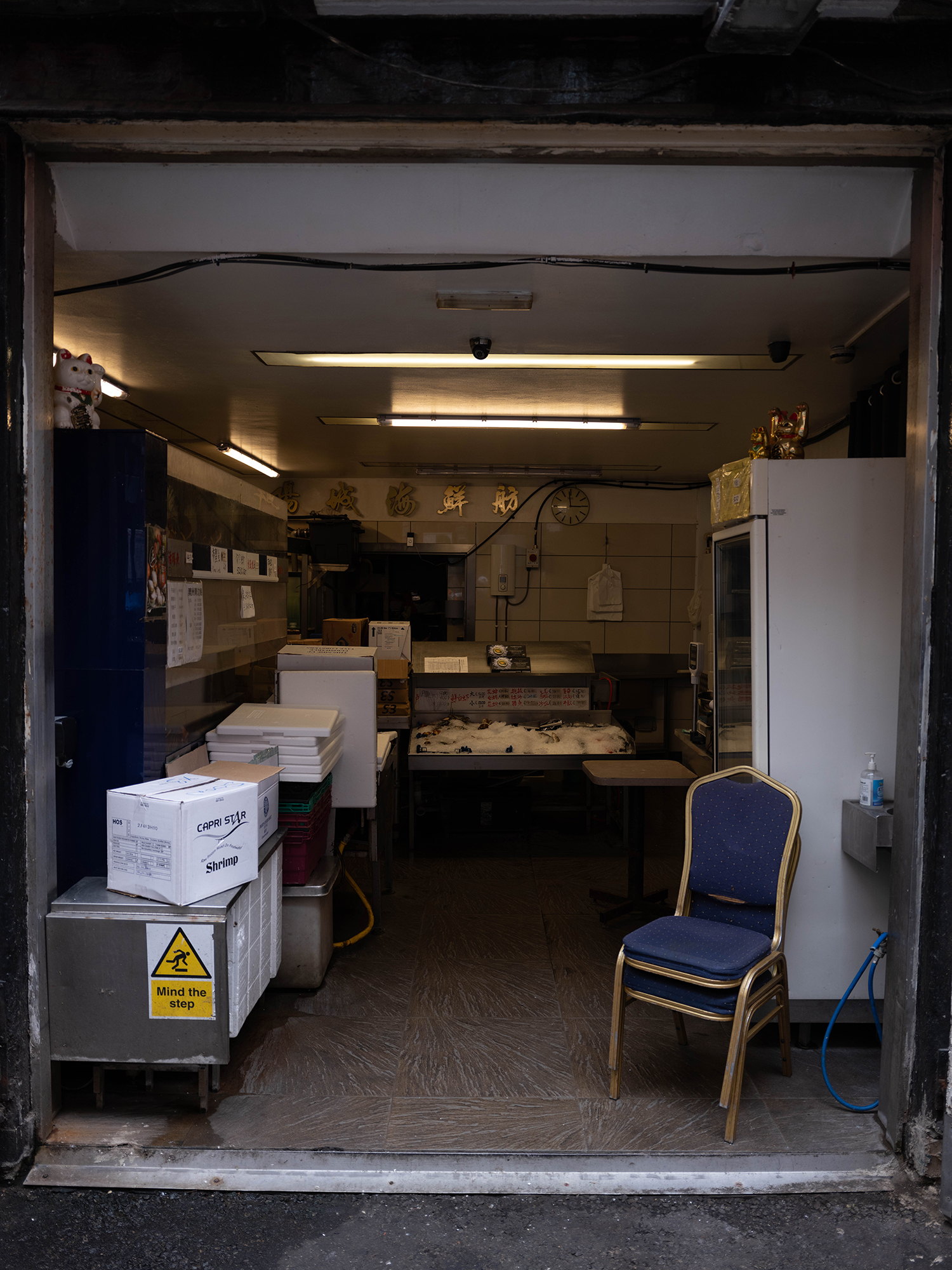
Original Frame

Cropped Image

Original Frame
I’ve had the pleasure of shooting with the GFX-100RF across multiple cities and in various scenarios. The 35mm fixed focal length provides a creative challenge to the beholder. It’s excellent in close quarters and forces you to think more about your framing, making it perfect for those who enjoy street photography. For the casual photographer, this lack of versatility may seem daunting. Some of the GFX-100RF’s features a casual shooter may find limiting, while a professional will find a niche and allow for greater creativity. Could you put the GFX-100RF in auto and use it as a point-and-shoot? Perhaps. But that’s the equivalent of driving a Ferrari 20mph in London: it is capable of so much more.
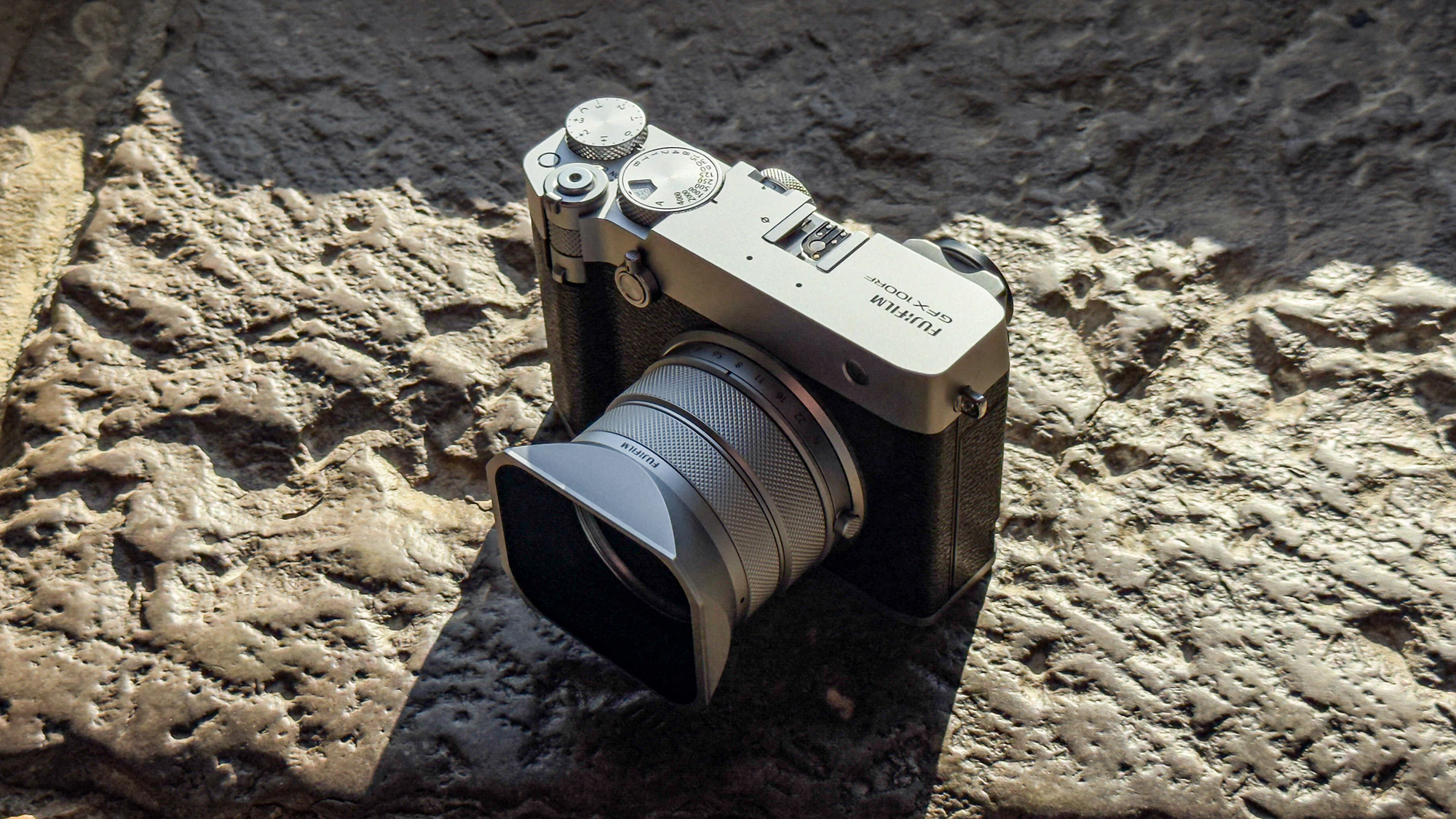
The GFX-100RF is not a toy. It packs all the punch of a GFX-100S II, but in a much more beautiful, lightweight package. Coming in at £4,699.00, it is cheaper than the GFX-100S II, but lacks some versatility if you’re a photographer used to having multiple lenses at your disposal. For those seeking a more compact, casual point-and-shoot camera with the same beautiful aluminium construction and similar features, I’d suggest the FUJIFILM X100 VI available at a fraction of the price.
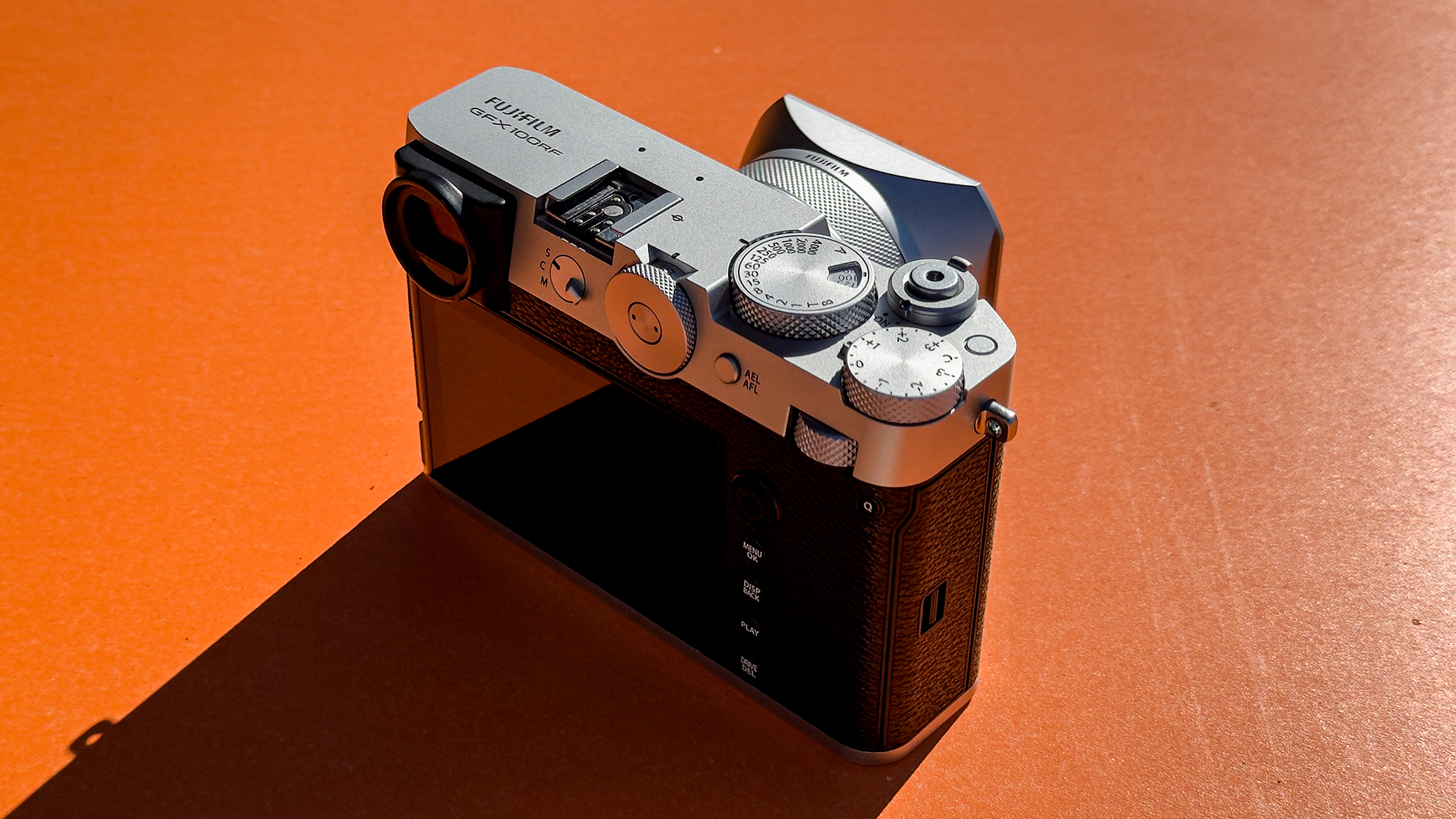
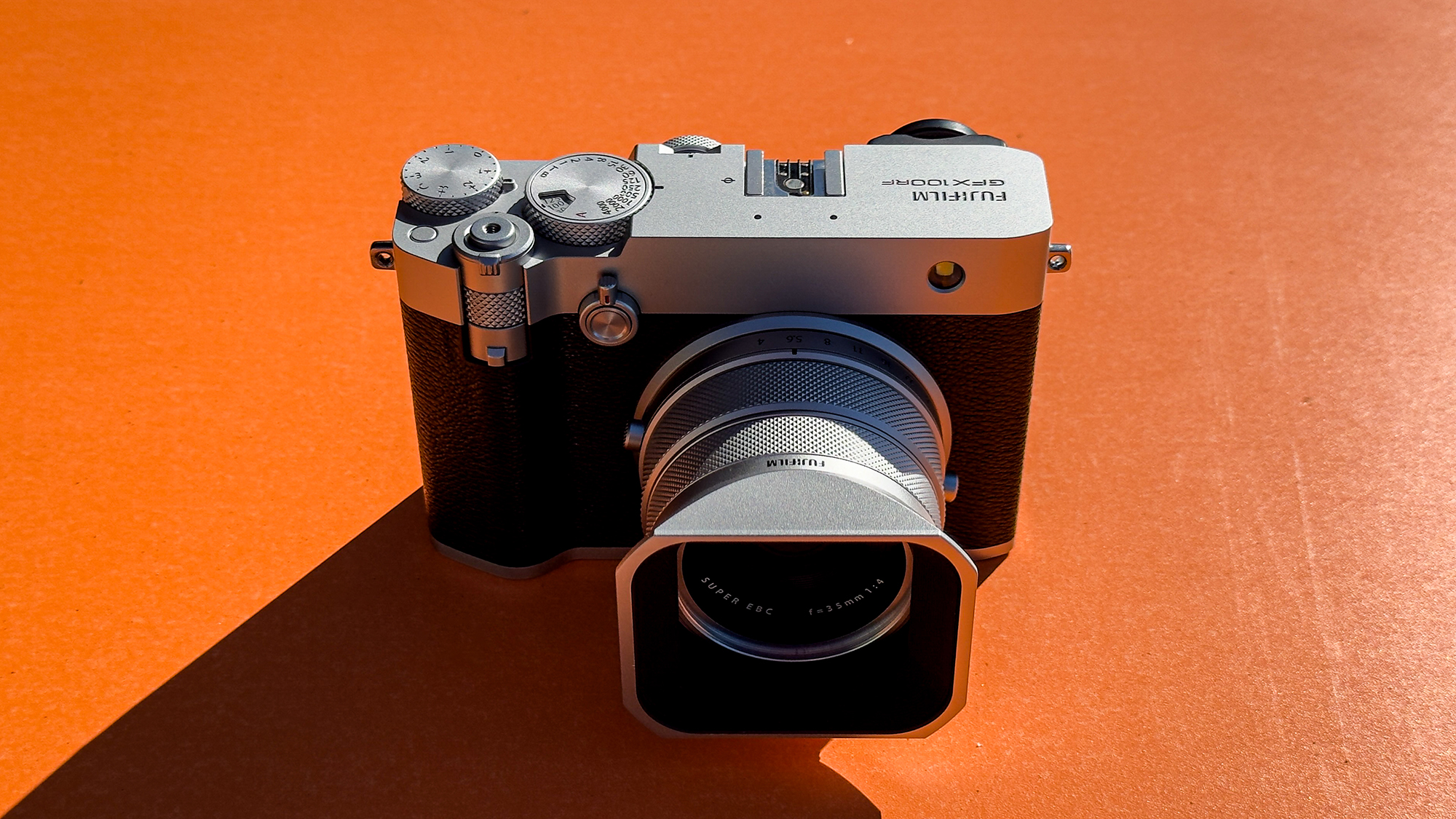
The GFX-100RF provides a sense of future nostalgia for those who wield it, offering the modern-day equivalent of shooting on film without the wait for processing. It blends the worlds of digital and analogue beautifully and can only be truly appreciated by those who shoot with intention.