Crystals occupy a curious space in contemporary craft. Shimmering, multifaceted, and imbued with a sense of glamour, they sit somewhere between raw material and finished object, valued not only for their visual brilliance but for their cut, provenance, and scarcity. Whether you’re enhancing home décor, designing a statement bracelet, or personalising gifts, incorporating crystals can elevate the aesthetic of any project.
The modern crystal market has always been shaped by a tension between access and aspiration. In the late 19th and early 20th centuries, crystal production was largely the domain of European glass houses, with regions such as Bohemia and Austria establishing reputations for precision cutting and optical clarity. These workshops supplied fashion houses, theatre costume departments, and later, haute couture ateliers, crystals were not craft materials, but specialist components used sparingly and deliberately.
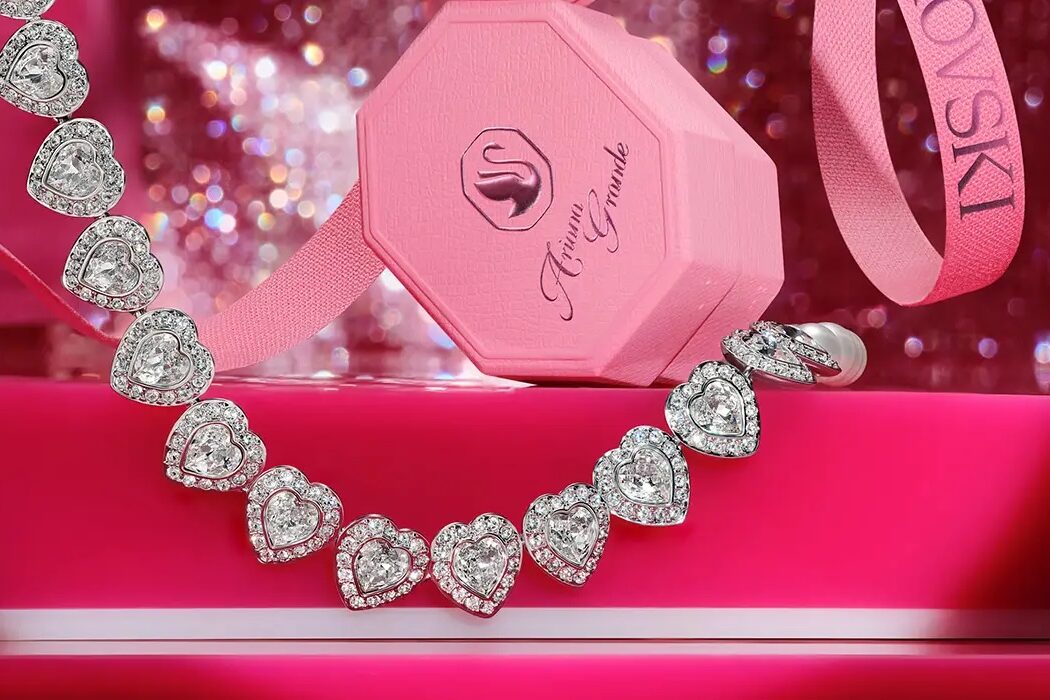
The latter half of the 20th century marked a turning point. Advances in industrial cutting and global distribution transformed crystals into a recognisable luxury input rather than a bespoke rarity. Brands such as Swarovski became synonymous with consistency and brilliance, democratising access while maintaining a clear quality hierarchy. By the 1990s and early 2000s, crystals were firmly embedded in fashion, interiors, and jewellery production at scale.
What we are seeing now is a notable recalibration.
As large manufacturers reduce ranges, discontinue colours, and rationalise production lines, certain cuts and finishes have become scarce. Vintage stock, limited runs, and discontinued shades now trade at premiums, particularly among independent designers and collectors.
Choosing the Right Crystals
The difference between an ordinary piece and one that feels considered often comes down to selection. Not all crystals are equal, and understanding the hierarchy matters, particularly when working on items intended as gifts or heirloom-adjacent objects.
Precision-cut leaded crystals such as Swarovski Xilion, Rivoli, and Chaton stones remain the industry benchmark for brilliance and consistency. Their patented cuts maximise light refraction, which is why they continue to be used by couture ateliers as well as independent jewellery designers. Prices typically range from £0.80 to £6 per stone, depending on size and cut, making them accessible but still premium when used judiciously.
At the higher end of the crafting spectrum are rare or discontinued Swarovski colours—Aurora Borealis finishes, vintage shades like Light Colorado Topaz, or limited seasonal releases—which can command significantly higher prices on the secondary market. A small handful of these stones can transform a piece from decorative to collectable.
For those sourcing materials with intention, curated suppliers of luxury crystals for craft and jewellery projects offer access to both current production and harder-to-find lines, allowing makers to design with confidence rather than compromise.
When selecting crystals, consider:
-
Size: Larger stones act as architectural anchors; smaller crystals reward restraint and repetition adding delicate touches.
-
Colour: Clear crystal offers versatility, while saturated tones such as emerald, sapphire, and amethyst introduce narrative and mood. Consider complementary colours for a harmonious look or contrasting hues for visual interest.
-
Cut: Rivoli and pear cuts suit statement jewellery; bicone and rondelle shapes excel in rhythm-based designs.
Applications Across Crafting
Jewellery Making
Jewellery remains the most natural home for crystals, but modern craft favours edit over excess.
-
Bracelets benefit from a single focal crystal, perhaps a Rivoli or cushion cut, offset by matte metals or silk cord. Incorporate crystals as focal points or spacer beads. They can elevate a simple design into something extraordinary.
-
Necklaces gain depth through graduated crystal drops or clustered stones arranged asymmetrically. Attach crystals in clusters to chains for a cascading effect, perfect for layering with other pieces.
-
Earrings, particularly drop or chandelier styles, allow crystals to perform as intended: moving, catching light, and drawing the eye.
Using fewer stones of higher quality often results in a more refined piece and a higher perceived value.
Home Décor and Decorative Objects
Crystals are increasingly finding their way into interiors, particularly during the winter months when light becomes a precious commodity.
-
Suncatchers made with precision-cut clear or AB-finish crystals can transform natural light into subtle spectacle.
-
Table pieces whether seasonal centrepieces or permanent decorative objects, benefit from crystal accents embedded into glass, ceramic, or metal forms.
-
Wall installations and framed works that incorporate crystals offer a tactile counterpoint to flat surfaces, particularly effective in minimalist spaces.
Here, crystals act less as embellishment and more as punctuation.
Personalised and Seasonal Gifts
For makers producing holiday gifts, crystals offer longevity. Unlike trend-led materials, they retain relevance and durability.
-
Keyrings or bag charms using a single high-quality crystal read as intentional rather than novelty.
-
Photo frames embellished sparingly with crystals feel bespoke, especially when matched to the image within.
-
Keepsake boxes finished with crystal details move decisively away from craft into object design.
These are gifts designed to last beyond the season.
Working with Crystals: A Refined Approach
Sourcing with Care
Quality crystals reward precision. Reputable suppliers not only provide consistent sizing and colour matching but also offer transparency around origin and production runs, important when designing repeat pieces or collections.
Tools That Respect the Material
Fine crystals deserve appropriate handling:
-
Precision pliers and cutters prevent stress fractures.
-
Industrial-grade adhesives such as E6000 ensure longevity without clouding.
- Jewellery Wire and Beading Needles: Essential for threading crystals, particularly those with small holes.
-
Fine-gauge wire and silk thread complement, rather than compete with, the stone.
Maintenance and Longevity
Crystals retain their brilliance when treated properly. Store individually, clean sparingly, and avoid abrasive contact. A well-kept crystal object should look as compelling in ten years as it does today.
Design Directions Worth Exploring
-
Modern Bohemia: Natural fibres offset by one or two statement crystals. Incorporate natural elements like jute and wood with crystals for an earthy, relaxed aesthetic.
-
Minimalism: Single stones, oversized cuts, restrained palettes.
-
High Glamour: Layered crystals, reflective finishes, and intentional drama, best executed with restraint. Combine a variety of shapes and sizes for a high-impact look, often seen in evening wear or elaborate home decor.
Crystals reward discernment. They ask the maker to slow down, to choose carefully, and to design with intention. Whether incorporated into jewellery, home objects, or seasonal gifts, they offer more than surface sparkle; they bring structure, light, and a quiet sense of permanence.
In a world of disposable craft, working with quality crystals is a reminder that making can still be meaningful. Choose well, use sparingly, and allow the material to do the work.