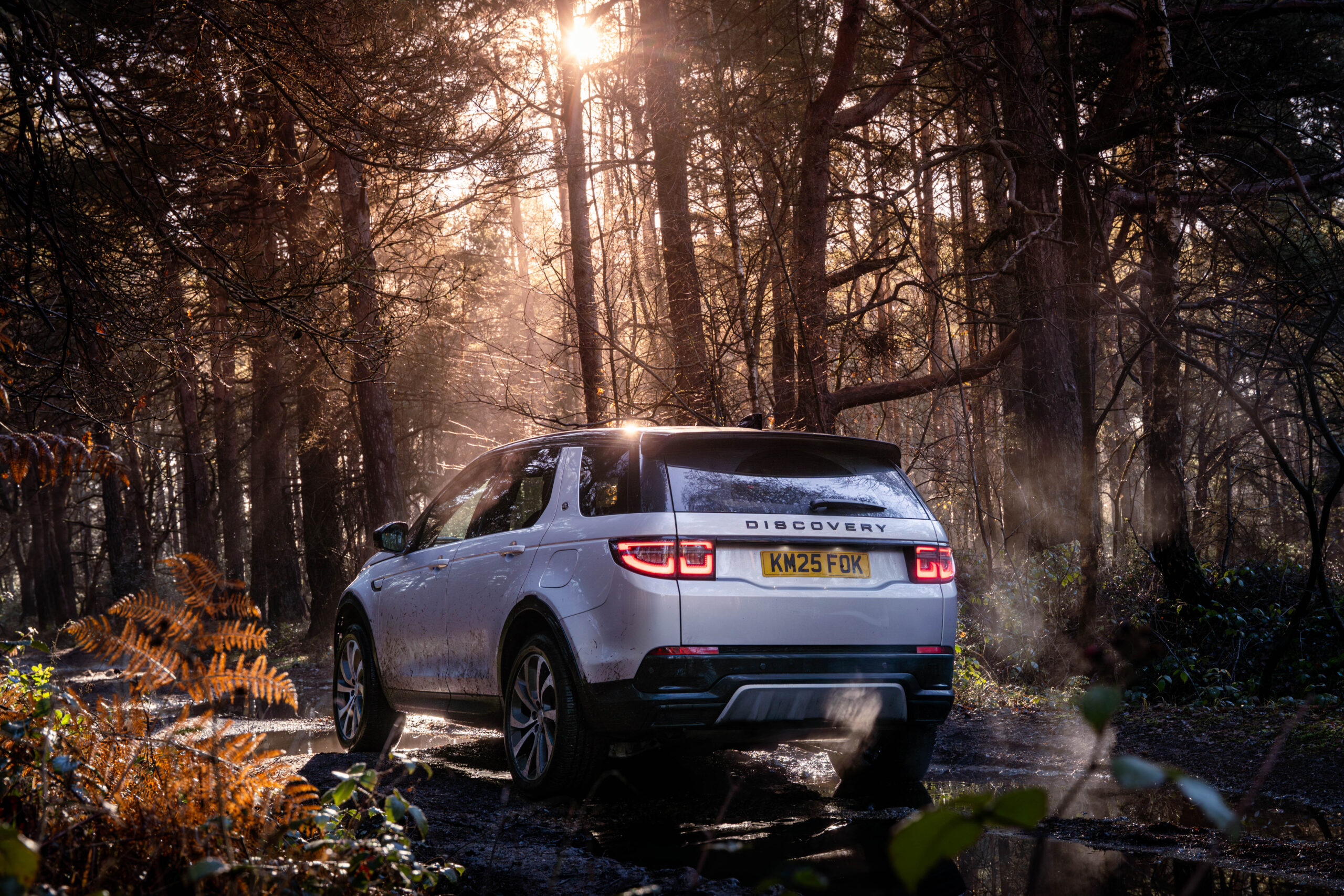
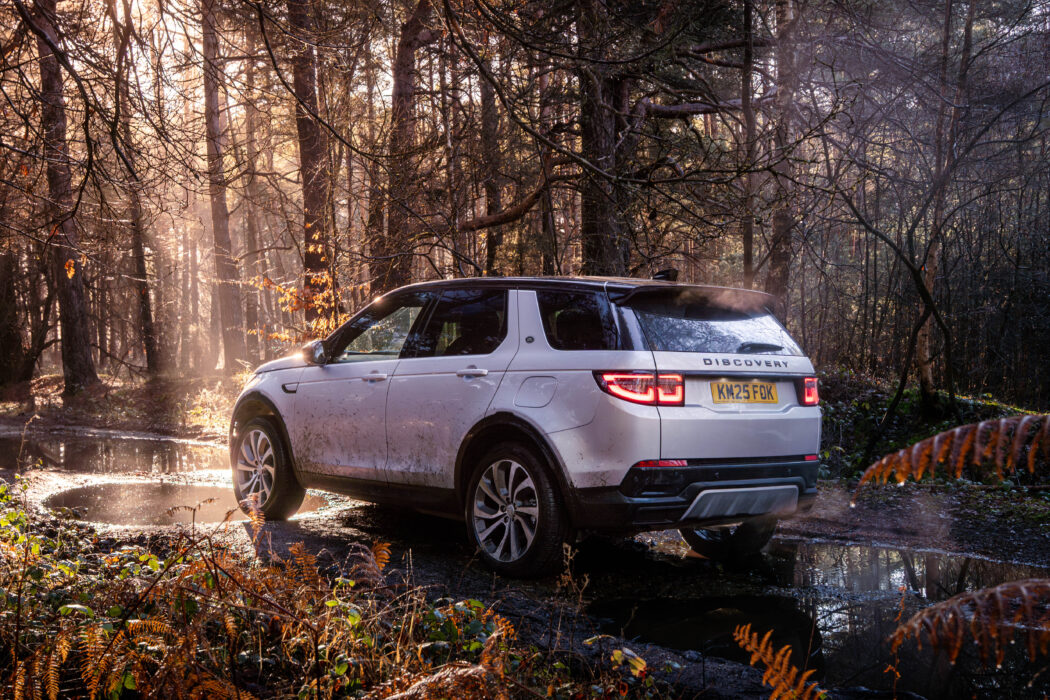
Looking at Land Rover’s current product lineup may seem daunting to the untrained eye. As their flagship offering, Range Rover combines the off-roading capabilities synonymous with Land Rover with luxurious materials and features. The Defender lineup, on the other hand, includes commercial vehicles with a rich heritage dating back to the original series I Land Rover and Discovery, and focuses on the core practicality of a premium SUV.
Discovery, a moniker that has graced Land Rovers since 1989, was a car that utilised the same off-road-focused underpinnings as the Range Rover, but with a much more modest family focus and smaller engine offerings. The same formula of using a shared chassis with the much more premium Range Rover is still evident in the current iteration of the full-size Discovery.
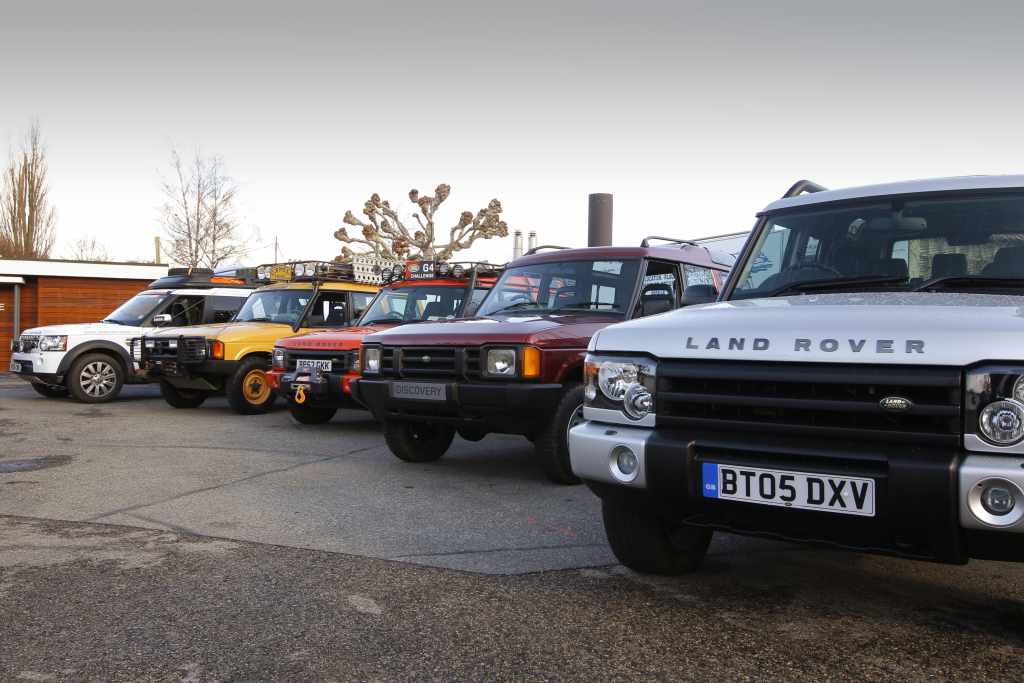
Source: Land Rover Media Centre
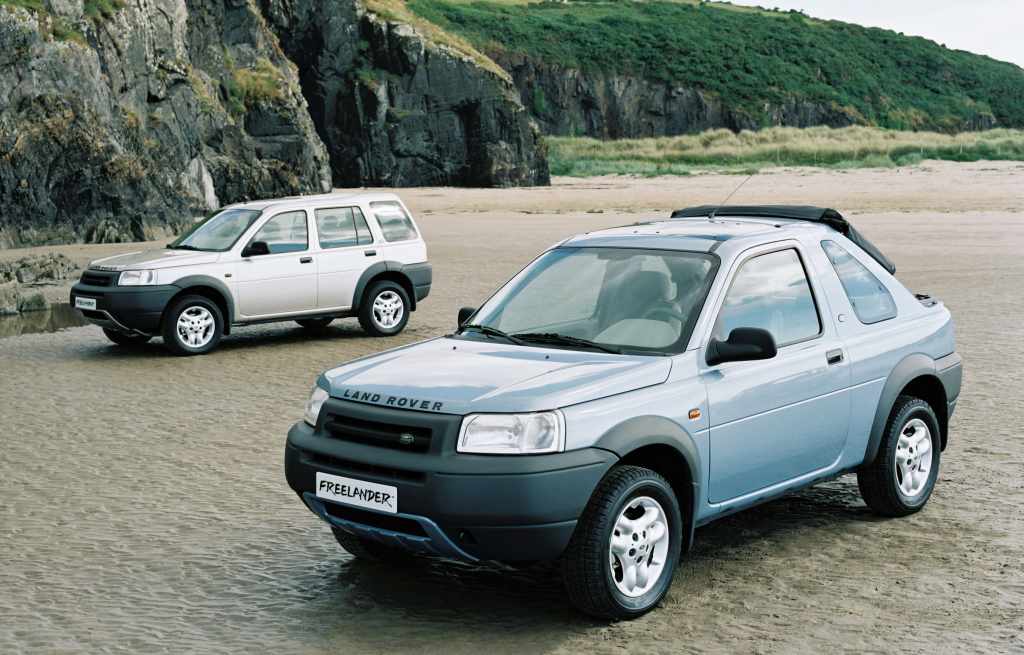
Source: Land Rover Media Centre
In September 1997 at the Frankfurt Motor Show, the first Land Rover Freelander was unveiled. After exclusively producing body-on-frame off-roaders, the Freelander was Land Rover’s first model to utilise a unibody monocoque. Unlike its siblings, the Freelander implemented a revised version of the Ford EUCD platform; it was Land Rover’s smallest offering at the time, aimed at a younger market and those who required the off-roading capability without the space of a larger Discovery. This compact Land Rover was a great success in Europe, becoming the bestselling 4×4 in the region, with over 540,000 units sold during the MK1 Freelander’s lifecycle. The second generation of the Freelander arrived in 2006, with a front-wheel-drive model introduced in 2010. It came with a revised interior featuring premium options, such as a 7-inch touchscreen and surround sound. The second-generation Freelander ended production in 2015, and the nameplate was no more.
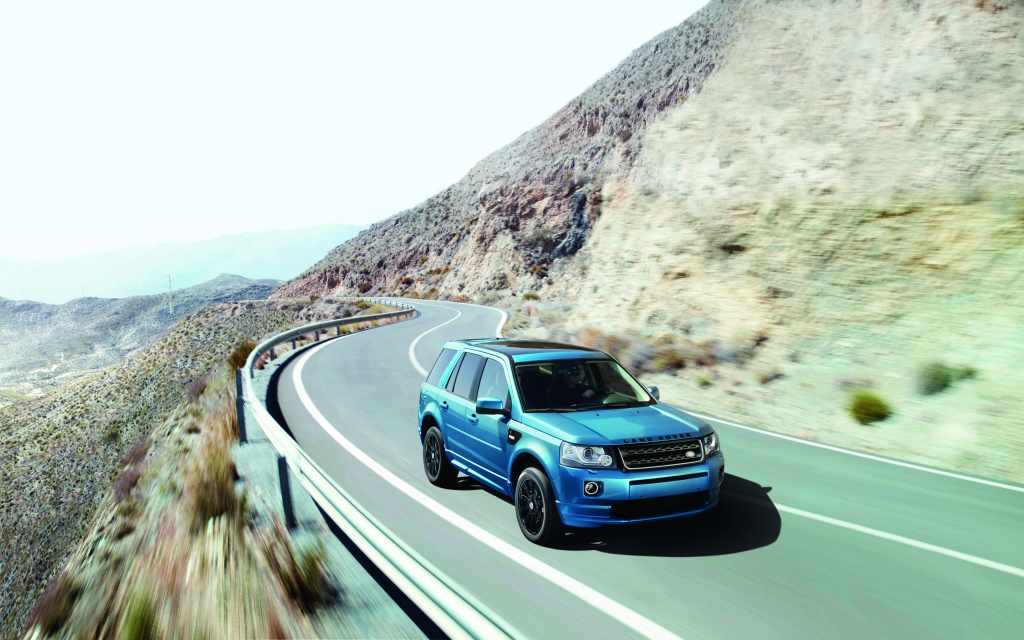
Source: Land Rover Media Centre
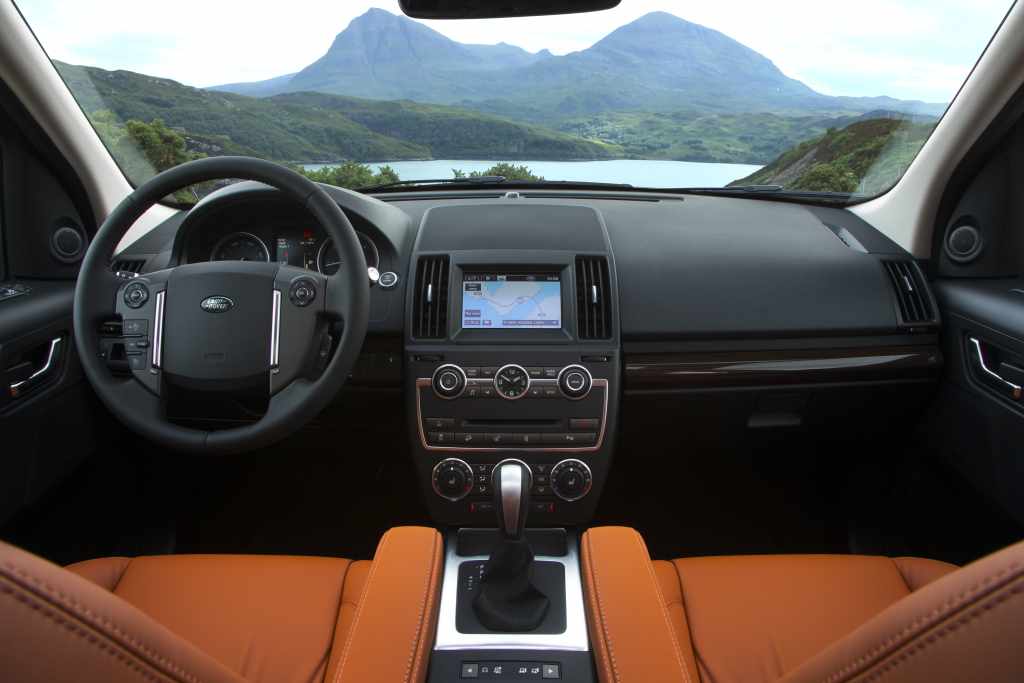
Source: Land Rover Media Centre
Introduced in 2014, the Discovery Sport was not just a replacement for the compact Freelander; it marked a new chapter for Land Rover, with Discovery being a formalised sub-brand under Land Rover. Unlike the Freelander that came before it, the Discovery Sport was built on a JLR platform that is shared with the Range Rover Evoque. Although replacing the more compact Freelander, the Discovery Sport’s dimensions are closer to those of the full-size Discovery 4. The body consists of a steel monocoque, aluminium body panels and a glass panoramic roof as standard.
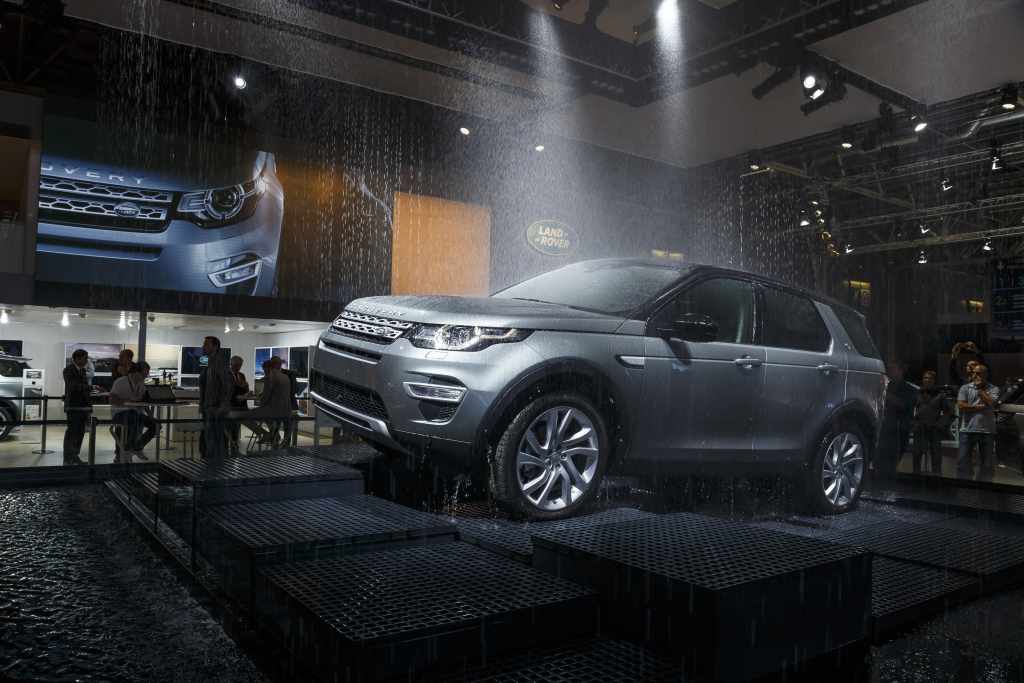
Source: Land Rover Media Centre
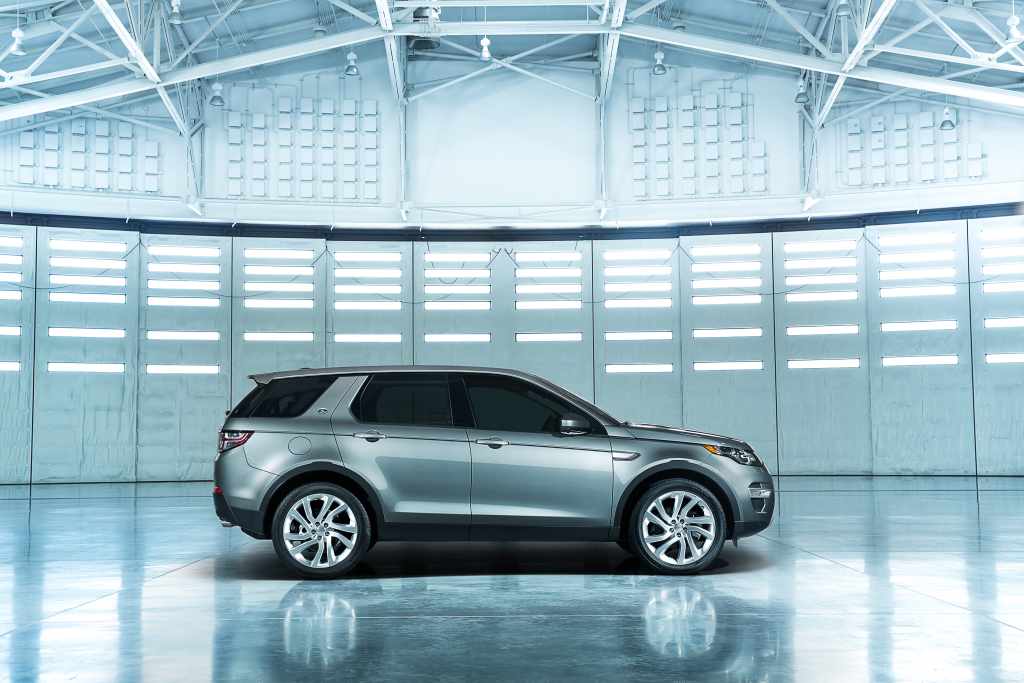
Source: Land Rover Media Centre
The current Discovery Sport is offered with multiple powertrain options, from the base mild-hybrid D165 and D200 (which both use JLR’s 2.0L Ingenium turbocharged 4 cylinder engine) to the range-topping P270e, which utilises JLR’s Ingenium 1.5 turbocharged 3 cylinder engine. For the last month, I’ve been getting well acquainted with the Discovery Sport, specifically the P270e plug-in hybrid.
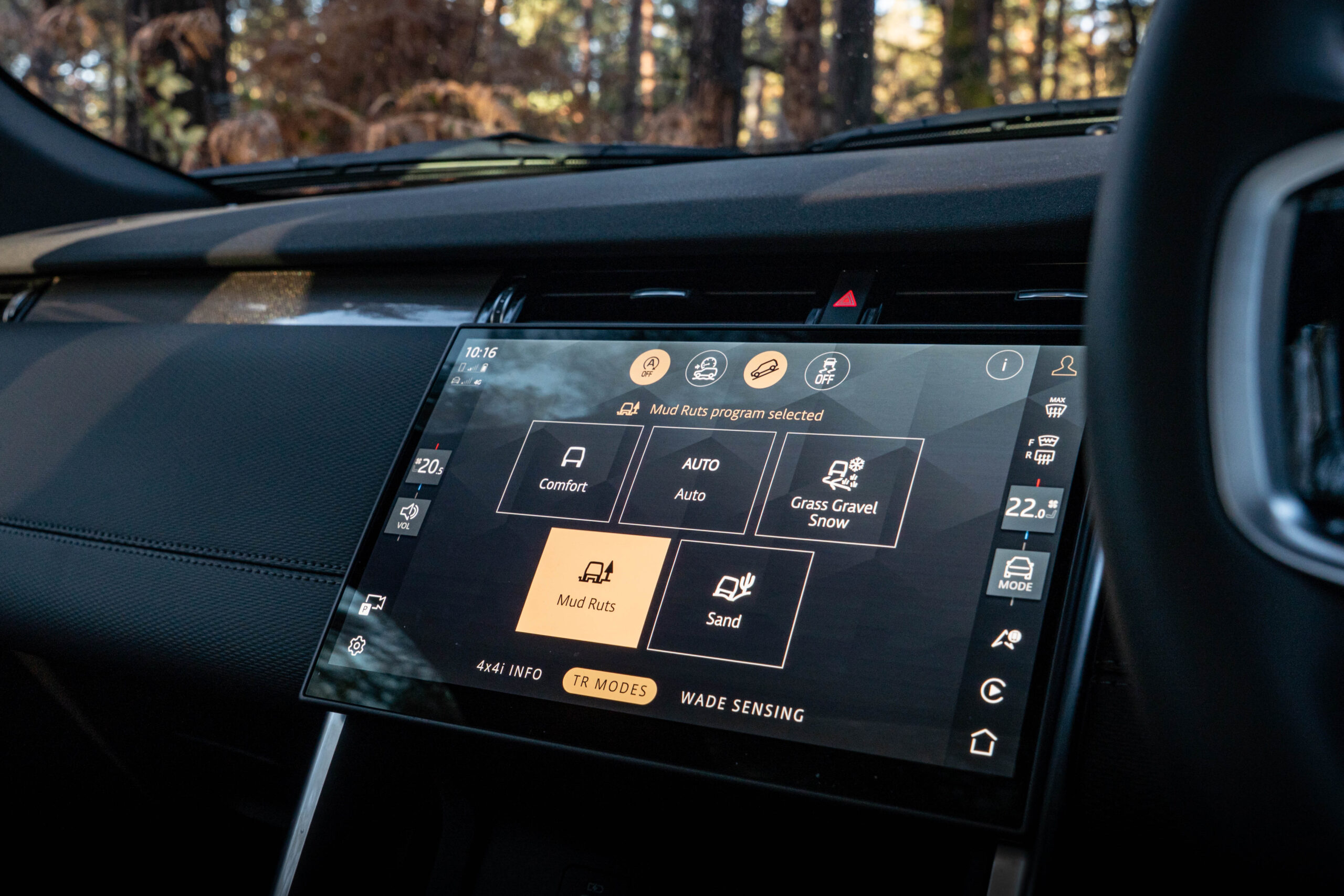
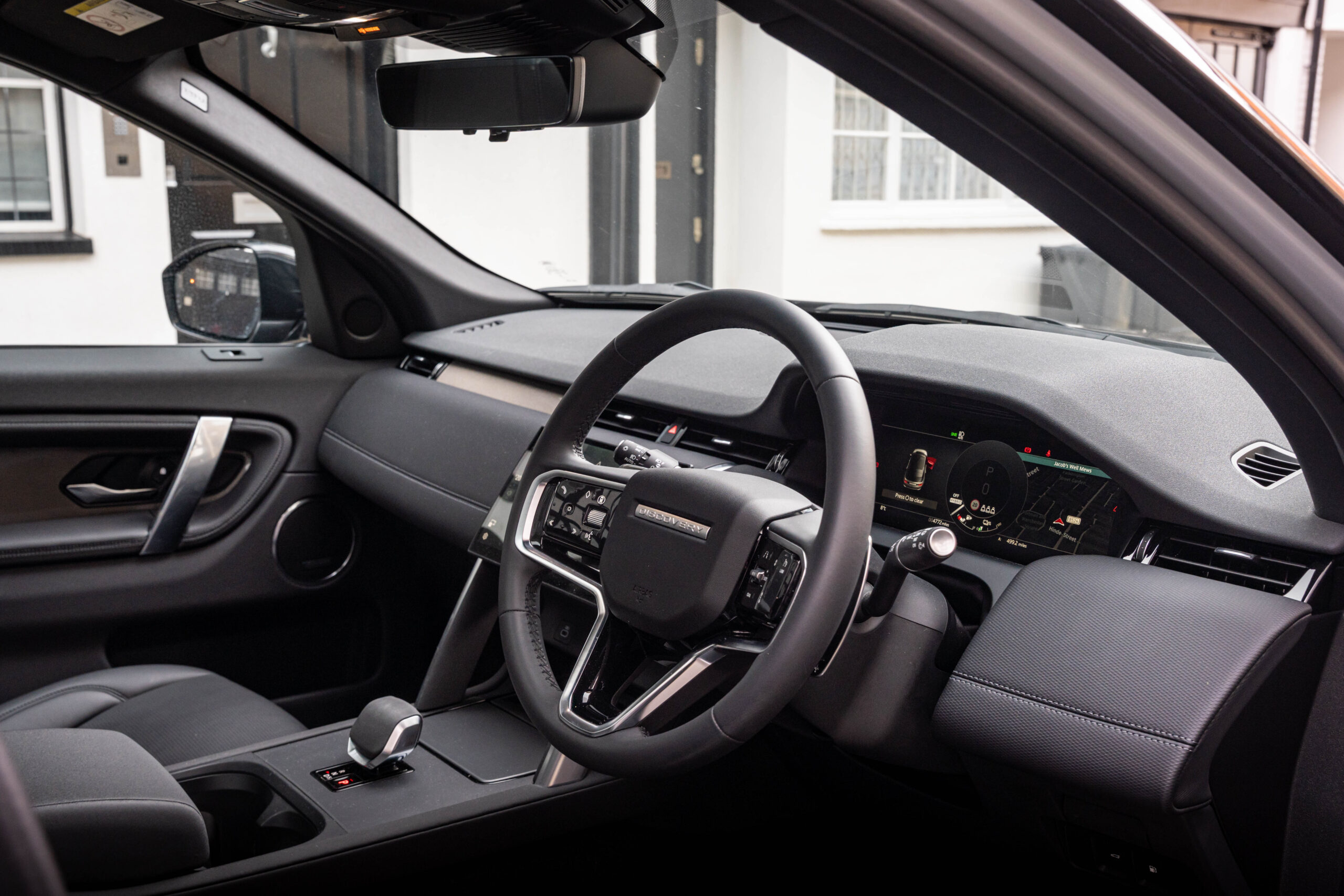
The cabin of the Discovery Sport is all too familiar to those accustomed to the latest Land Rover fleet. In the centre sits an 11.4” floating touchscreen sporting JLR’s latest Pivi Pro system, an infotainment system I’m a big fan of due to its contemporary yet intuitive design. The Discovery Sport also gets Land Rover’s ClearSight rear-view mirror, which utilises the top-mounted rear-facing camera, allowing the driver to see what’s behind, regardless of how full the trunk is. Gone are the physical dials and buttons that control the climate and Terrain Response 2 settings, replaced by touch controls on the screen. Annoyingly, despite my being a hardcore-button fan, all of this works very well in the real world.
Under the screen, you’ll find a wireless phone charger, although personally, I wouldn’t bother unless you want your phone to become a portable hand warmer – a gripe I have with most in-car wireless chargers. Throughout the cabin, you’ll find soft-touch materials such as DuoLeather, a durable material that combines leather with other textiles, perfect for those looking to use this as a family car. One thing that baffled me was the choice to use manual lighting for the interior vanity mirrors. A small component, I know, but surely it would have made more sense to carry this over from the full-size Discovery? With a buttonless cabin in keeping with the rest of Land Rover’s current offerings, this seems like an odd production choice.
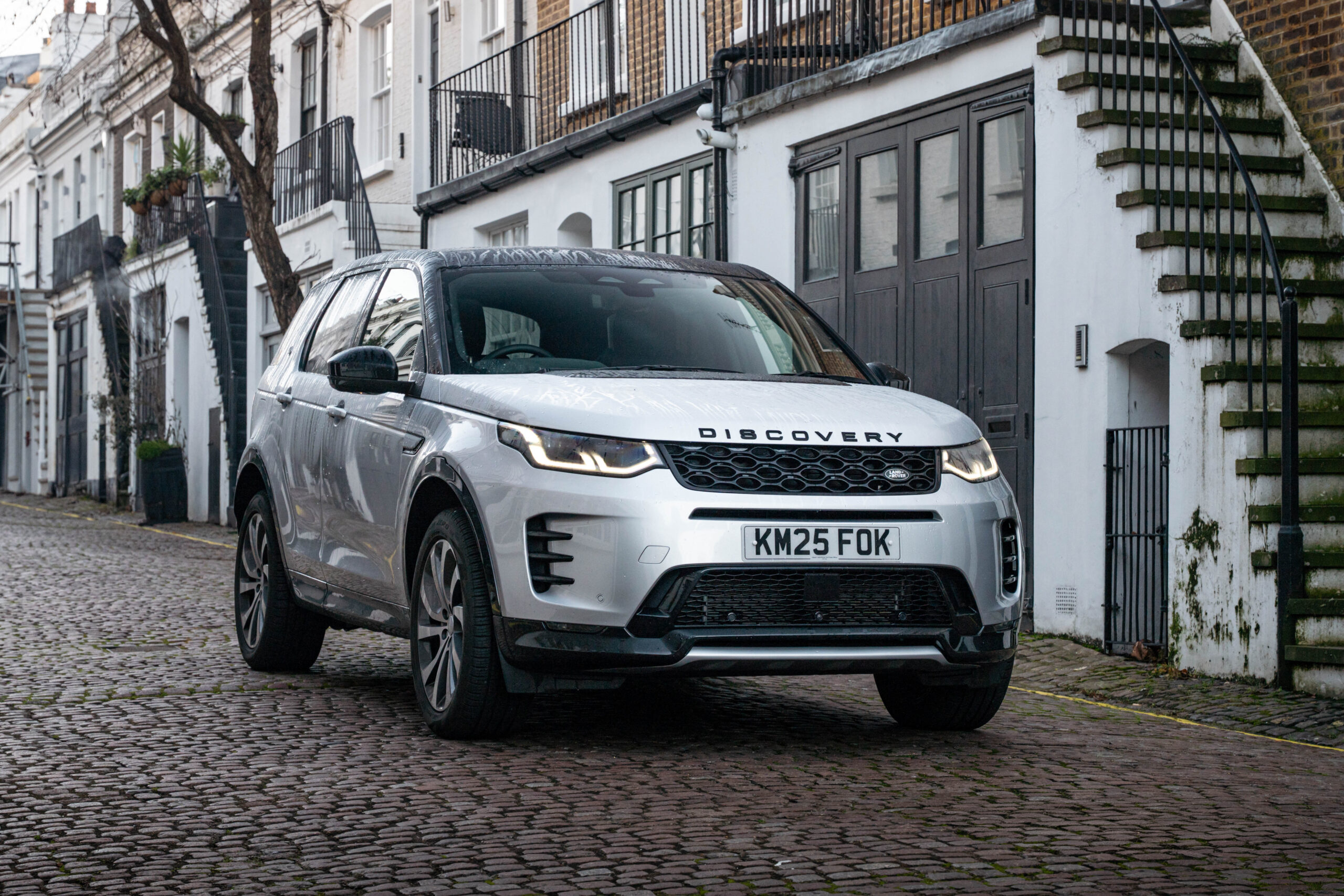
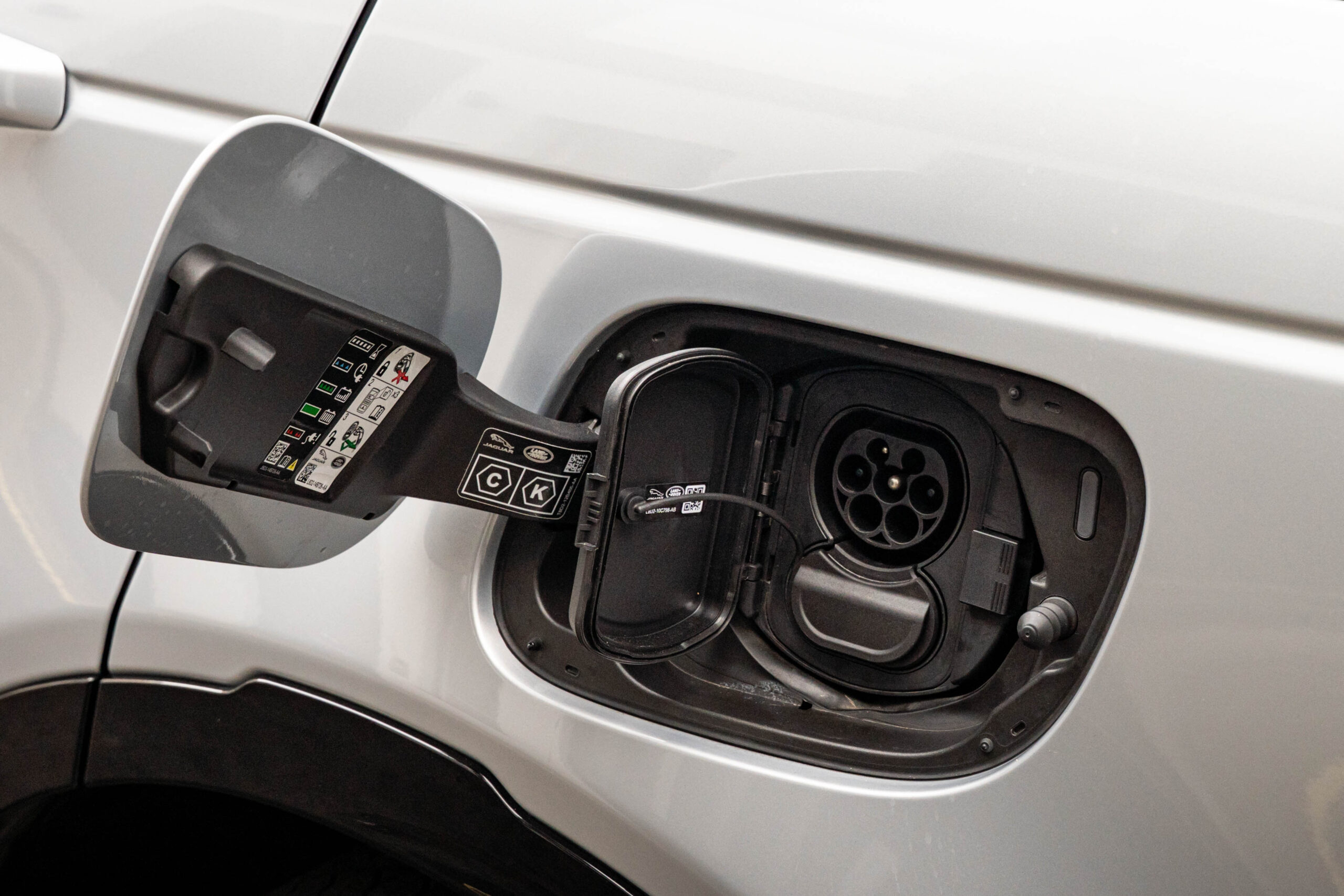
The Discovery Sport is a mid-size SUV, and unlike its bigger siblings, its dimensions don’t feel daunting when manoeuvring around the busy streets of London. On the road, the Discovery Sport navigated through tight traffic, parallel parking and width restrictions with ease. In town, the full-EV mode lets you waft along in comfort, with a quoted WLTP figure of 37 miles. Given the winter climate and the fact that I mostly used the Discovery Sport in the city, this was looking more like 28 miles for me. Not that I dare navigate the network of EV charging stations across central London, but if I did, it’s good to know I can use rapid charging, a feature not found in most plug-in hybrids.
On the motorway, the Discovery Sport can hold its own with minimal cabin noise even at high cruising speeds. Creature comforts such as active lane assist and adaptive cruise control make longer journeys a breeze. On the highest-spec Discovery Sport, you can also opt for a heads-up display and a heated steering wheel, a very useful option for those frigid British winters. Down a country lane, the Discovery Sport feels planted and compact enough to pass any oncoming tractors. There are multiple driving modes, including a Dynamic mode that sharpens turning and throttle response, but given that the Discovery Sport weighs just shy of 2,180 kg, I wouldn’t expect you to take it out of Comfort.
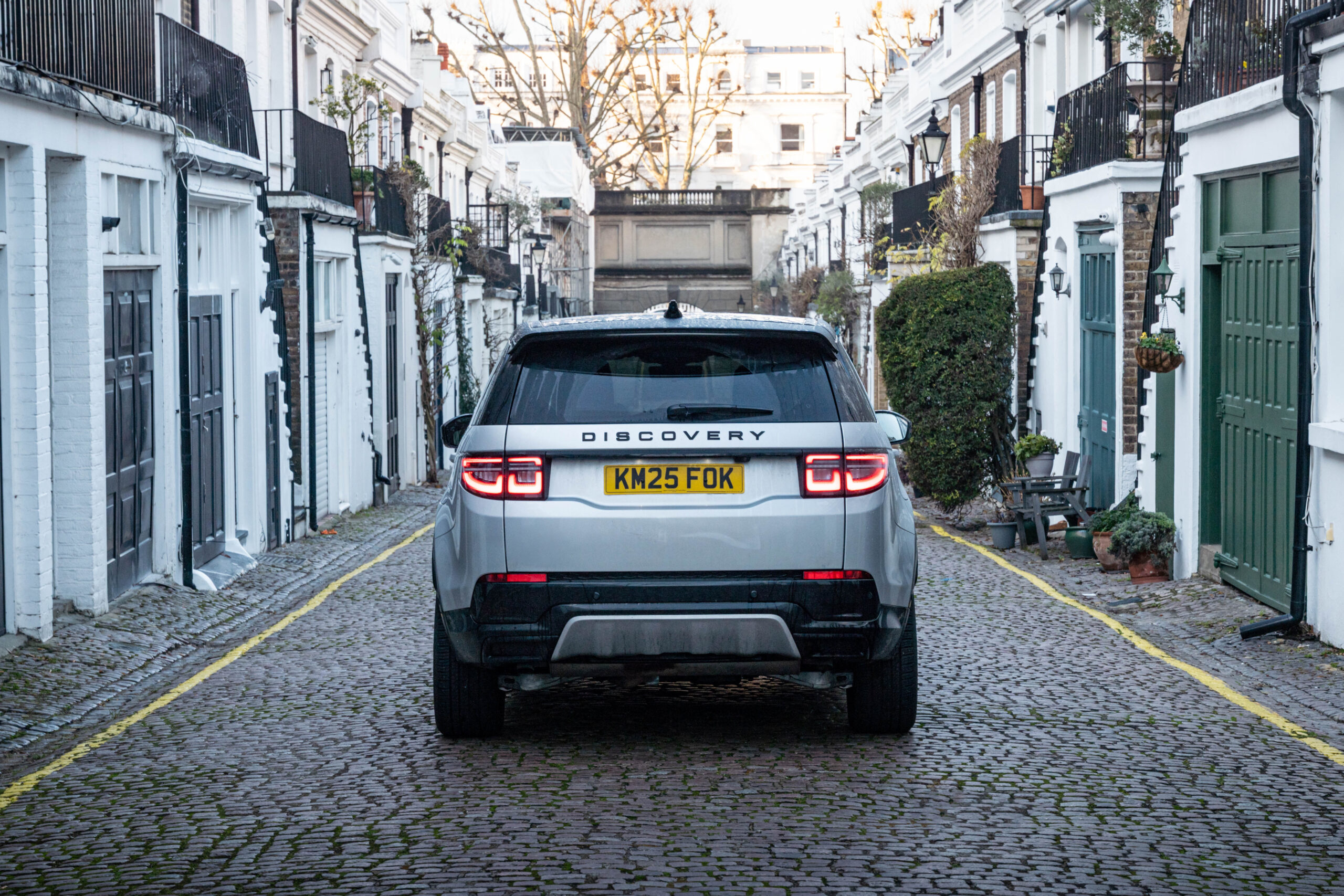
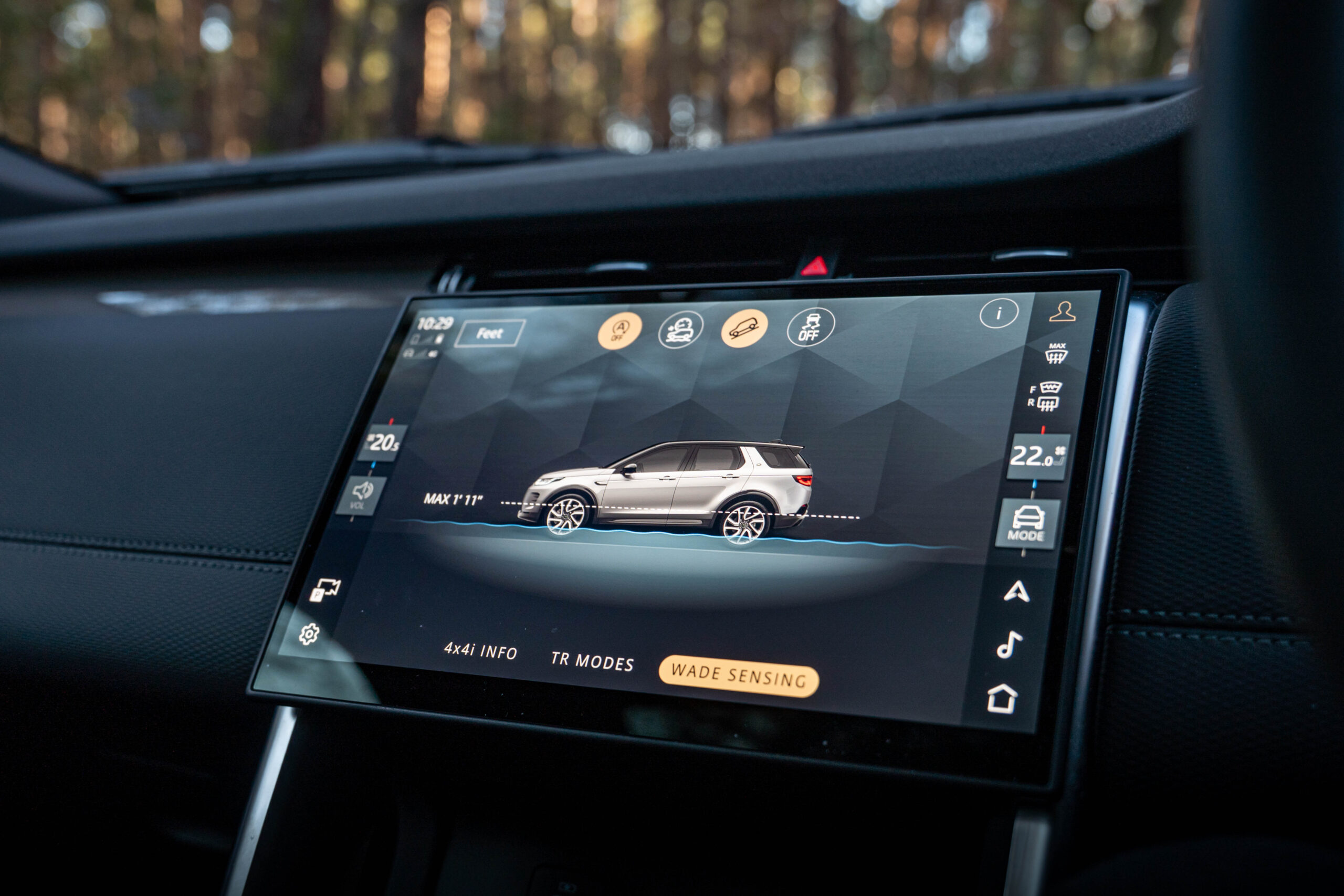
Off-road, the Discovery Sport doesn’t yield. The Land Rover Terrain Response 2 system ensures that no country lane, no matter how muddy, will stand in the way of you and your destination. The Discovery Sport is also fitted with a wading depth sensor, which is useful if you find yourself in wetter conditions. The maximum wading depth is 600m, or just shy of 2ft. Unlike its more rugged relatives, the Discovery Sport cannot be specified with locking differentials. As such, if you have a requirement for advanced off-roading, it may be worth considering Land Rover’s other options, such as the full-size Discovery, Defender or Range Rovers.
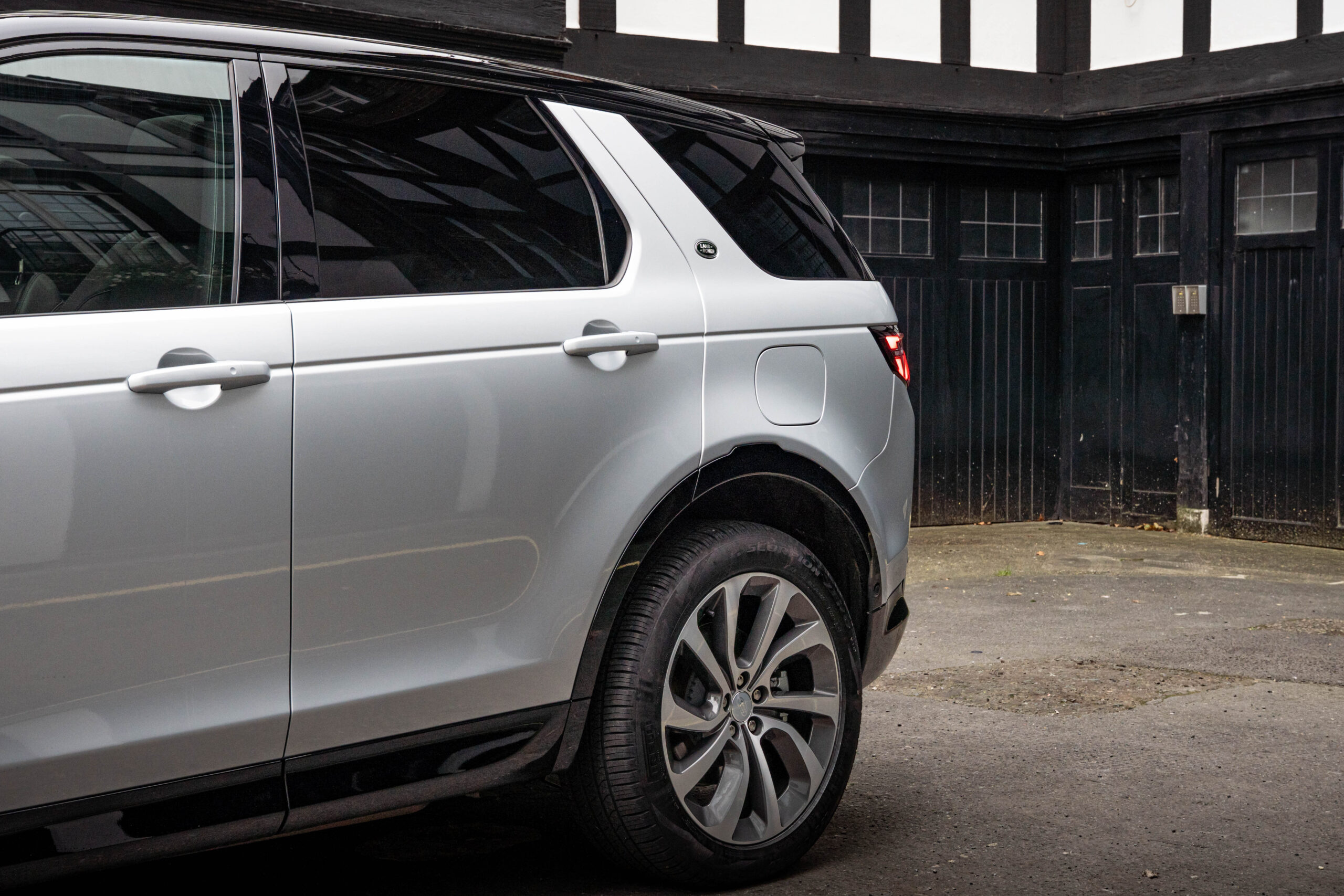
The exterior of the Discovery Sport was styled by Gerry McGovern, the same designer who brought us the Freelander. Design cues, such as the floating C-pillar, have been carried over from the full-size Discovery. Front and rear LED lights are standard and are in keeping with the contemporary look and feel of the current Discovery and wider Land Rover lineup. The Discovery Sport is unmistakably a Land Rover, from the signature badging across the car to the contrast black accents – it’s a design vocabulary that is both understated and refined.
After spending a month with the Discovery Sport, I can confidently say that this is the purest form of a Land Rover. The Discovery Sport was conceived as a successor to the Freelander, and it has lived up to that role. You cannot go on a school run, a trip to a national park or to the beach without seeing one. The Discovery Sport doesn’t draw the same attention as its Defender and Range Rover counterparts, but it’s not supposed to. Offering premium touchpoints and options found on its bigger, more expensive family members, the Discovery Sport combines the free spirit to explore land less travelled with the everyday practicality of any good family car.