
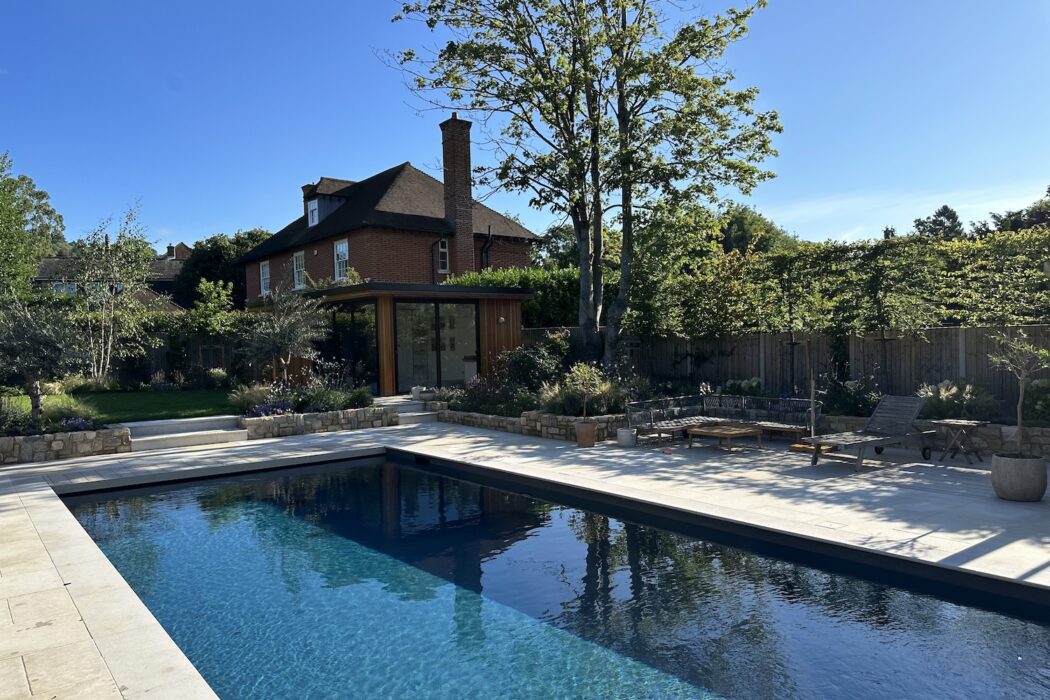
In the hands of a skilled designer, it can frame a path, draw attention to a specimen tree, or give a sense of intimacy to a terrace. From the symmetrical parterres of Versailles to the restrained minimalism of a Japanese strolling garden, overhead structures, be they glasshouses, pergolas, or canopies, play a defining role in orchestrating the movement of sunlight and shadow. Selecting the right material is therefore as much an aesthetic decision as it is a practical one, and in this regard, polycarbonate roofing products have emerged as a compelling choice for contemporary landscapes.
Polycarbonate combines translucence with toughness, offering the kind of resilience that a garden sees rarely but inevitably: sudden gusts, stray branches, or the occasional misplaced ornament. Its sheets allow light to filter gently, casting soft illumination rather than harsh glare, while absorbing impact without cracking or warping. Many panels are surface-treated to resist yellowing or surface wear, ensuring that the material retains its clarity and structure. In terraces, linear walkways, poolside canopies, or minimalist pergolas, polycarbonate provides longevity, much as a modernist glass pavilion maintains its presence without intrusion. Its relative lightness allows for simpler supporting frameworks, leaving the garden to breathe and ensuring that the eye is drawn to planting and architecture rather than the structure itself.
For spaces where clarity and visual finesse are paramount, acrylic sheets offer a different, yet equally compelling, language. Their polished transparency permits light to animate the space below with precision, creating sheltered verandas or balcony covers that glow with the movement of the day. Acrylic is often the material of choice where light itself is part of the design, spaces that recall the airy elegance of a Serpentine Gallery pavilion, the luminous verandas of Arts & Crafts estates, or even the refined glasshouses of early 20th-century gardens. While acrylic cannot match polycarbonate for sheer impact resistance, it provides an elevated sense of refinement, especially in areas shielded from the worst of the weather, where clarity takes precedence over brute durability.
PVC and other lightweight plastics serve a quieter but no less useful role in garden design. Their practicality shines in secondary structures, small greenhouses nestled behind clipped hedges, storage lean-tos discreetly hidden, or temporary covers for events where ease of installation and cost-effectiveness matter more than longevity. They are light, manageable, and versatile, making them ideal for spaces that are used occasionally rather than daily. Though they lack the strength of polycarbonate or the luminous clarity of acrylic, their unobtrusive presence allows the overall composition of the garden to remain uninterrupted, a subtle support to the designer’s wider vision.
Choosing the right material is ultimately an exercise in balancing environmental demands with design intent. Polycarbonate excels in demanding conditions, offering strength; acrylic celebrates light and visual precision in sheltered, prominent spaces; and PVC or lightweight plastics deliver discreet, practical solutions for secondary applications. Applied thoughtfully, these choices do more than protect: they weave light, structure, and atmosphere into the garden, creating spaces that endure. In doing so, they echo the principles observed in the world’s most celebrated landscapes. A roof can become an integral part of a garden’s narrative, elegant, enduring, and entirely alive.