For a certain tier of traveller, the ‘holiday’ has not been regarded as a ‘break’ for a very long time.
Not overtly, not in the way it once was, all airline logos and laminated itineraries, but something more deliberate. The kind of travel that reveals itself in fragments, over lunch, halfway through a second bottle, when someone casually mentions where they’ve just sailed in from.
Among the shrinking pool of those with the means, leisure has become part of the wider narrative. Not an escape from life, but an extension of it.
This, inevitably, is reshaping things. Jets are booked with intent rather than convenience, weekends stretch further than they probably should, and the idea of a “quick trip” has become slightly elastic. The question is no longer where, but whether it will be interesting enough to justify the retelling.
There was a time when luxury meant some form of consistency. A good suite, attentive service, a beach that did what beaches are supposed to do.
That still exists, but it no longer leads the conversation.
Now it is Antarctica, the Galápagos, the sort of trips that sound wildly impractical until you realise that is precisely the point. Experiences that come with edges, with a sense of effort, or at least the appearance of it.
Savanta research suggests that 52% of UK millionaires are now leaning further into travel over material goods, a figure that continues to climb. Ownership has not disappeared, it has simply become less interesting. Experiences, on the other hand, carry narrative, and narrative travels well.
Which brings us, perhaps inevitably, to the slightly more modern mechanics behind all of this.
Luxury travel has always followed money, or more accurately, it has followed how money prefers to move. For years that meant private banking, well-placed relationships, and the sort of quiet efficiencies that never quite made it onto paper.
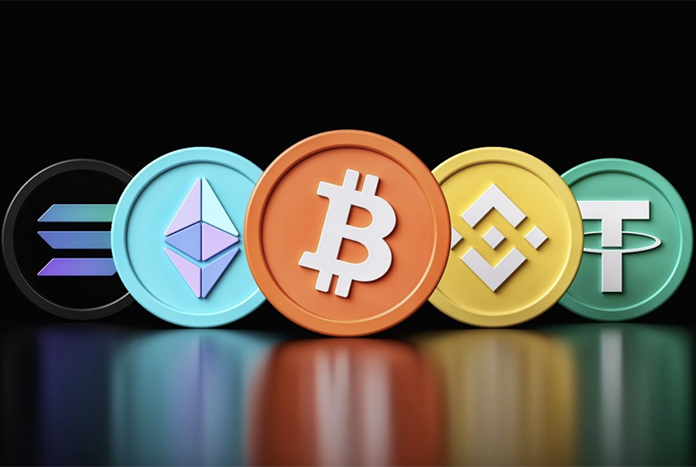
Cryptocurrency, despite the noise that tends to surround it, slips into this world rather neatly.
Not as a headline, and certainly not as a personality trait, but as something functional. Another option, another route, another way of ensuring that things happen when they are supposed to, quietly.
For those moving between London, Dubai and Singapore with a degree of regularity, the appeal is fairly self-evident. Less waiting, fewer questions, a little more control over timing. It is not particularly romantic, but then again, neither is wiring money across three jurisdictions on a Friday afternoon.
You see it in the obvious places, property bookings, marine charters, last minute decisions that would otherwise require a chain of approvals. But it also appears in the softer edges of leisure, access to private events, digital platforms, and the occasional indulgence that feels better left unexamined.
Even in areas such as sports betting, crypto tends to sit quietly in the background. Some users place wagers across international events using digital assets simply because it is efficient, quick, and, perhaps most importantly, discreet. Gambling Insider outlines how crypto sports betting platforms offer access that feels immediate without ever feeling conspicuous.
More broadly, it removes a layer of friction. One wallet, multiple cities, fewer complications. For a certain kind of traveller, that is not innovation; it is simply how things should work.
At the top end, the brief has become surprisingly straightforward, remove friction, refine the detail. Privacy is assumed, personalisation is expected, everything else is execution.
Bespoke train journeys that feel lifted from another era, private residences where staff seem to anticipate rather than respond, cultural access that affords itself at precisely the right moment. The best experiences are the ones that feel effortless, even when they clearly are not.
Marriott Bonvoy research suggests that 84% of UK high-net-worth individuals are now looking towards emerging destinations paired with five-star accommodation, with privacy and tailored itineraries sitting firmly at the centre. Alongside that, a growing interest in gastronomy, wellness, and nature led travel, provided it is delivered with a degree of authenticity. Sustainability, in this context, is less a statement and more a filter.
The wider industry has, unsurprisingly, taken note.
Hospitality groups, entertainment brands, cultural institutions, all are adjusting towards an audience that values rarity over scale. Fewer people, better access, something that feels just out of reach.
A private concert with a handful of guests. An expedition led by someone whose expertise cannot be easily replicated. These are the experiences that carry weight, not because they are louder, but because they are harder to access.
Mintel’s UK Luxury Travel Market Report indicates that 30% of affluent consumers earning above £75,000 are planning to increase their travel spend in 2026. Even now, with a degree of economic uncertainty lingering in the background, the appetite remains steady.
At this level, travel is rarely questioned. It is simply a matter of where next.