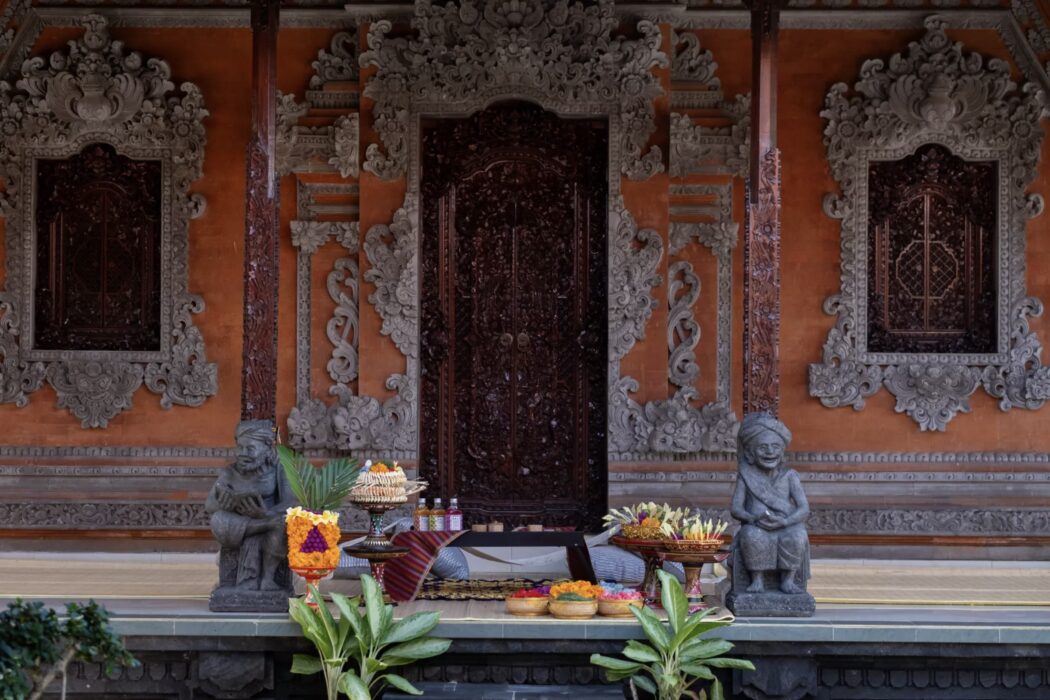
Bali resists simplification. It is an island of contrasts, where ceremony and commerce, stillness and movement, devotion and daily life exist side by side. Offerings called Canang Sari are placed quietly on pavements each morning before the roads fill with scooters and the day gathers pace. Incense drifts through humid air. Temples appear between boutiques, beach clubs and rice fields. Yet beneath the sensory energy is a deeper structure: an enduring philosophy of balance.
Known as Tri Hita Karana (the three causes of well-being), the philosophy centres on harmony between people, nature and the spiritual realm. In Bali, it is not presented as a theory but lived through routine, architecture, agriculture and ritual. It shapes how communities function and how space is respected.
For visitors, that sense of balance often redefines expectations of luxury. Here, luxury is not only found in villas, thread counts or private pools, but in stillness, generosity, connection and time.
Sarah Morgan spends a month on the ground at Raffles Bali, Samanvaya Luxury Resort & Spa, Batu Karang Lembongan Resort & Spa and Villa Tokay on Gili Air, searching for four very different expressions of what luxury can mean when rooted in place.
Raffles Bali, Jimbaran
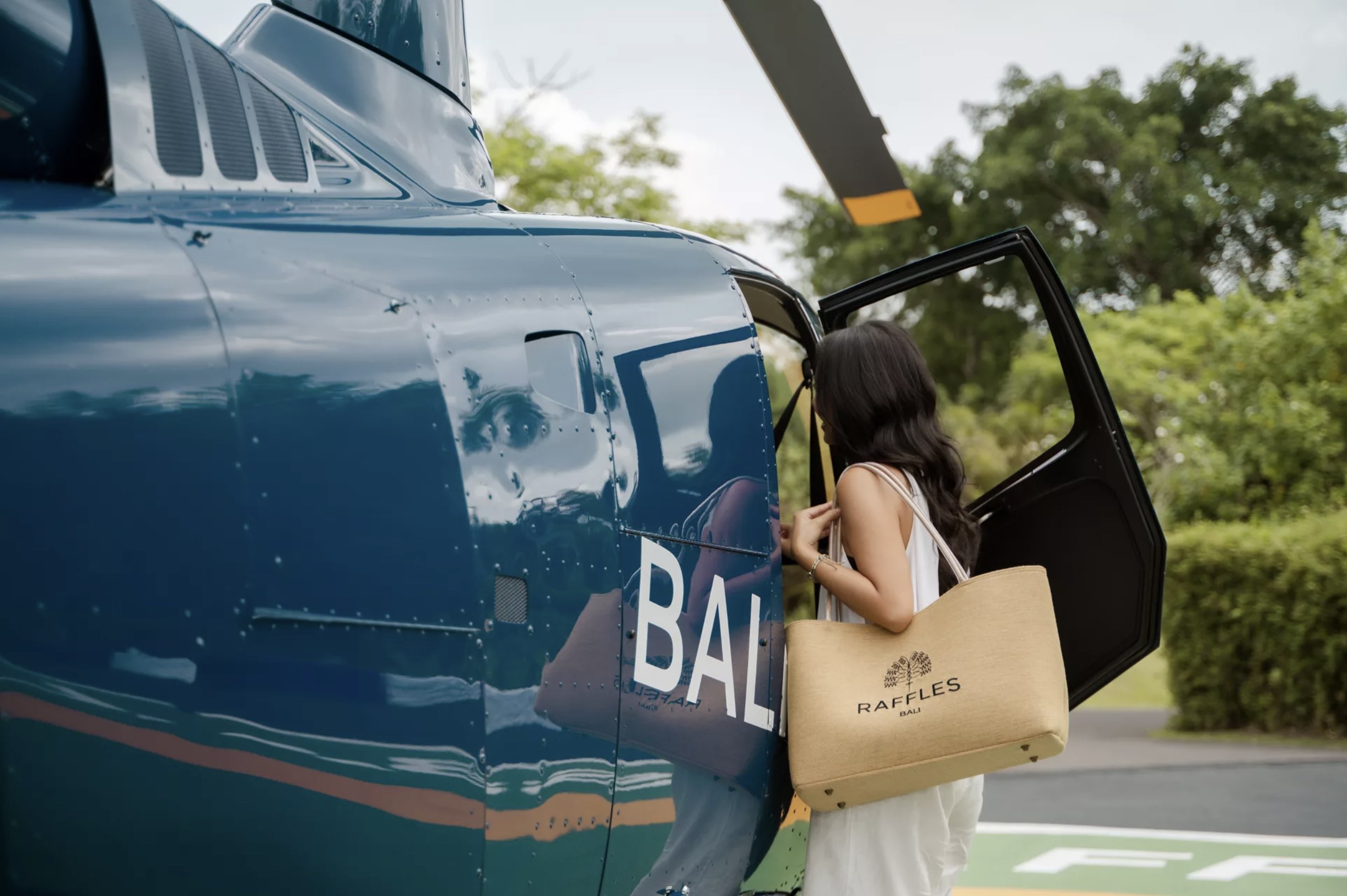
Arriving at Raffles Bali felt like stepping into another world. Jimbaran itself hums with movement, but the resort carefully choreographs your transition away from it. The aptly named Wonder Path winds through tropical greenery towards the main arrival space, allowing the outside noise to dissolve before you have even checked in.
By the time I reached reception, I already felt calmer. A welcome ritual of rice, water blessing and frangipani flowers set the tone: respectful, elegant and intimate rather than performative. It was my first indication that Raffles Bali understands something important; true luxury shouldn’t need to announce itself loudly.
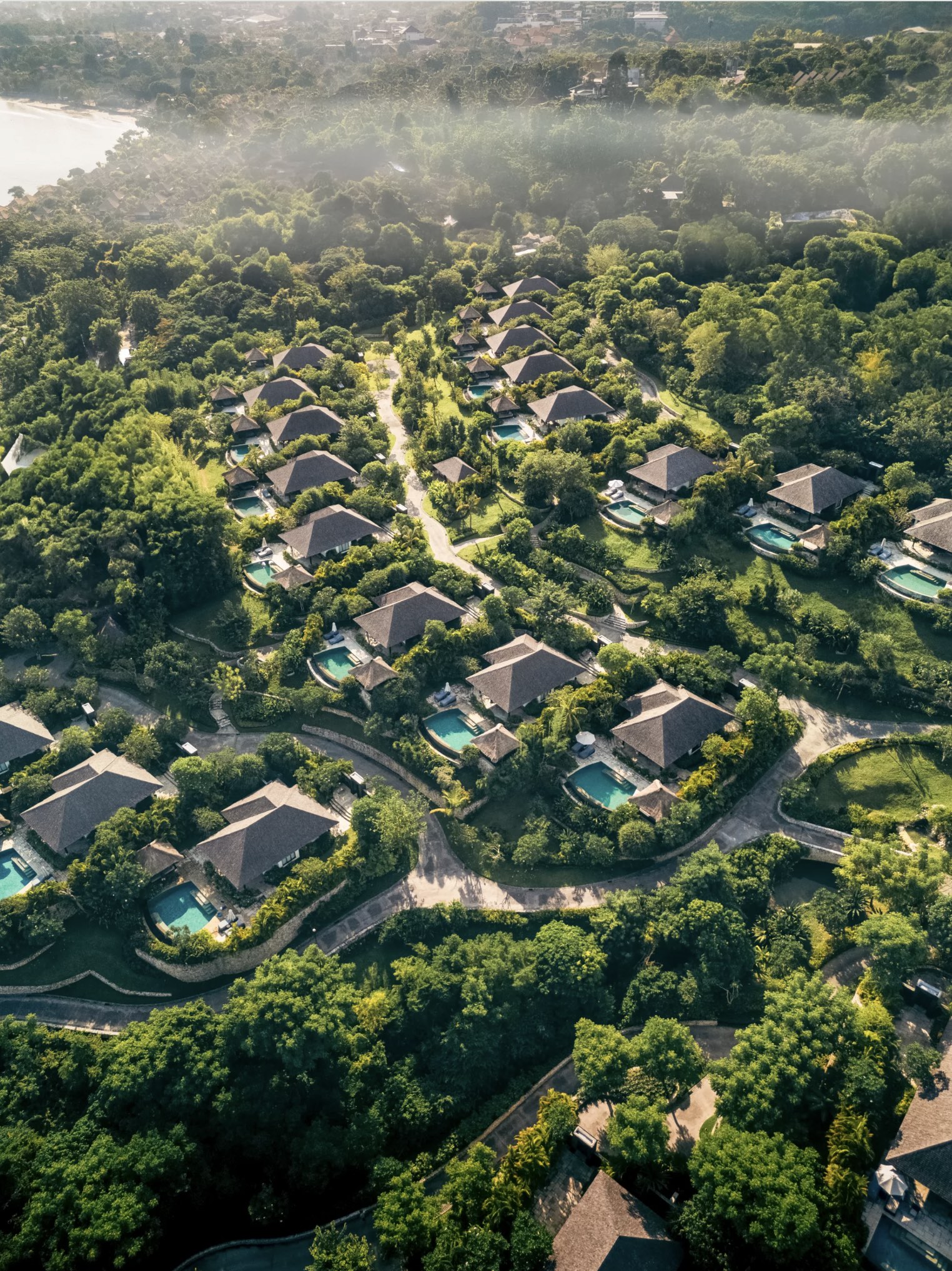
With only 32 private pool villas spread across 57 acres, space is one of the resort’s greatest assets. Bali can often feel vibrant and densely layered, so the sheer openness here is striking. My villa felt less like a room and more like a private sanctuary, with uninterrupted sea views and a generous infinity pool. The interiors balanced polished woods and rattan with natural stone, paired with batik and heritage art.
The design is sophisticated but warm. Nothing feels overworked. Instead, the villa encouraged an immediate exhale.
Each villa is assigned a butler, but the delivery never feels formal or stiff. Requests were handled seamlessly, often before they needed to be voiced. It is attentive hospitality built on instinct rather than script.
Raffles Hotels & Resorts carries a significant heritage, yet here that legacy is softened by Bali’s own rhythms. The result is not colonial nostalgia or imported grandeur, but something more thoughtful: global luxury translated through local sensibility.
That sense of place runs throughout the resort. Its late owner, known affectionately as Dr K, shaped the property over many years with a clear reverence for the land. Limestone carved during excavation has been integrated into walls and pathways, waterways echo natural flows, and more than 100 artworks are positioned across the estate. It feels curated, but also deeply personal.
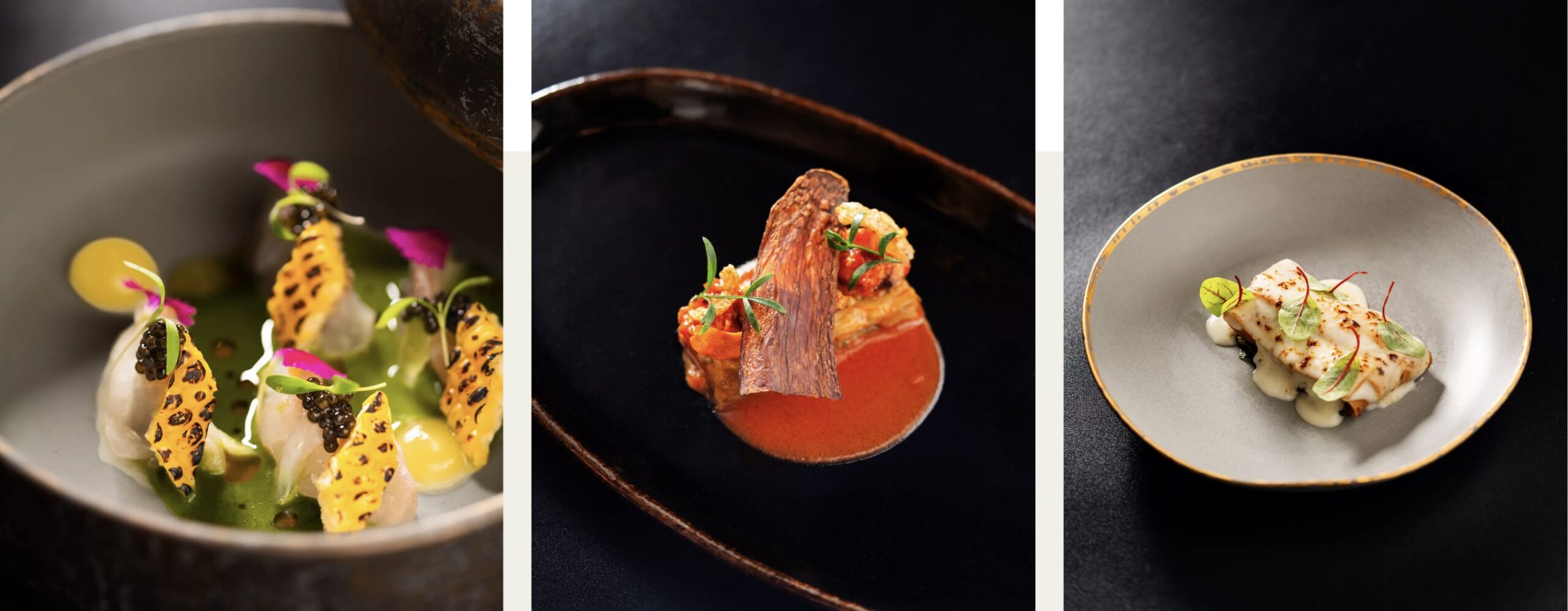
Dining at Rumari is one of the resort’s defining experiences. At the Chef’s Counter, under the guidance of Chef Gaetan Biesuz, dinner becomes a story of Indonesia’s produce, seasons and culinary traditions interpreted through modern technique. The Rumari Counter seats no more than ten guests and operates entirely without a fixed menu. Each evening, Chef Gaetan and his team build the courses around whatever has arrived that day, guided by the kitchen’s commitment to sourcing the vast majority of its ingredients from across the Indonesian archipelago. Dishes arrived with stories attached: a delicate raw tuna lifted by sambal matah and finished with caviar; a playful collision of Thai and Italian instincts where freshwater crayfish met hand-cut pasta; a reinvented Balinese pumpkin dish sweetened with bee honey and sharpened by cashew cream. Each course was prepared and plated at close range and arrived with context and confidence, but never pretension. The dishes and flavours were layered and precise, moving from delicate to bold with impressive control.
Breakfast was also a pleasure. Fresh tropical fruit, refined Indonesian dishes and restorative jamu shots make mornings feel quietly virtuous.
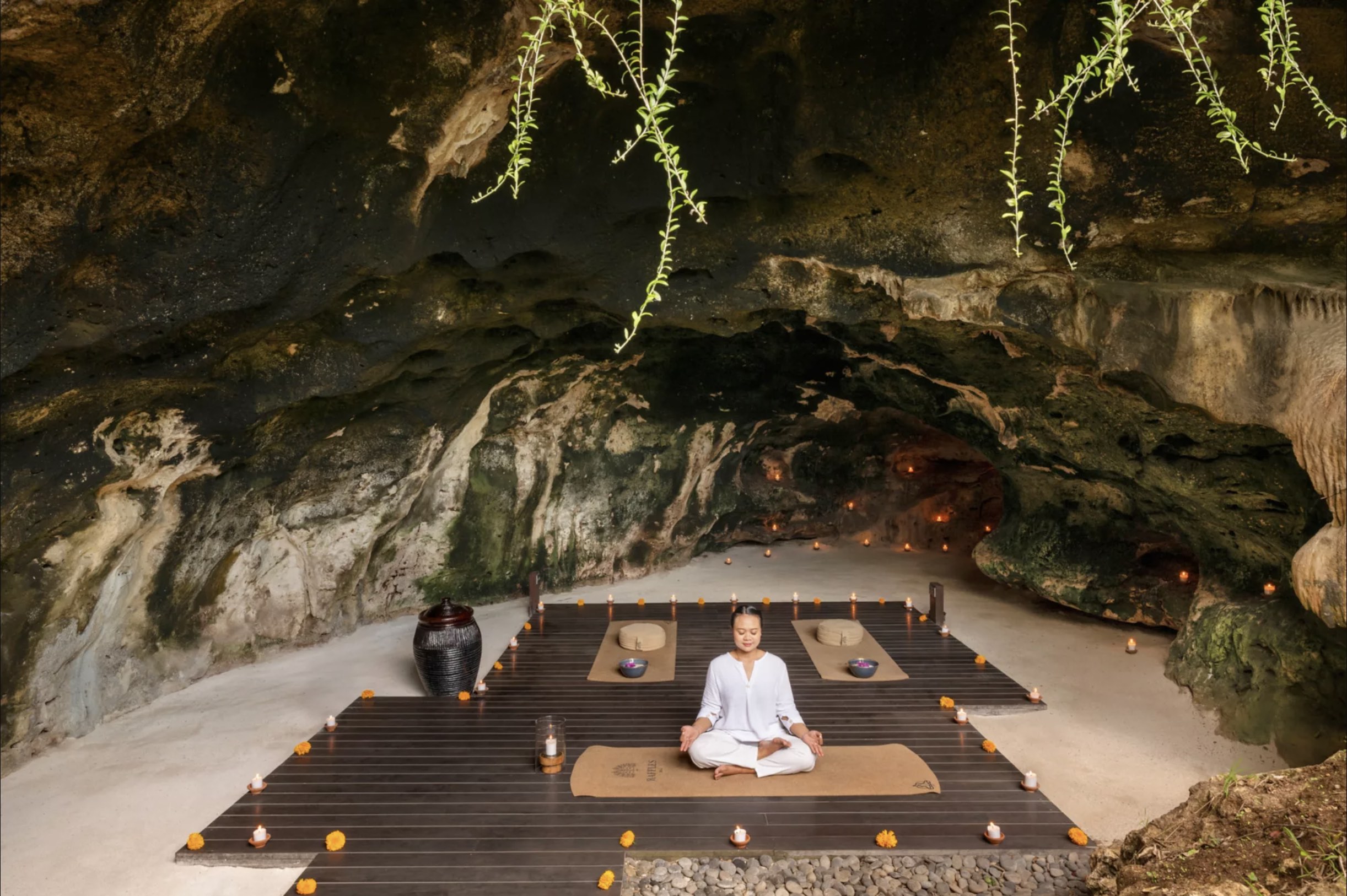
Wellness is approached intelligently. A meditation experience in the Secret Cove used breathwork, sound bowls and the natural setting to create something unexpectedly moving and a genuine opportunity to reset.
A visit to a local Balinese home offered me another memorable perspective. Learning the symbolism of family compounds and crafting a simple Canang Sari offering reminded me that spirituality here is woven into everyday life, not reserved for ceremony alone. The Canang Sari is a traditional daily offering made by Balinese Hindus to express gratitude, seek balance, and maintain harmony with the divine, nature, and humanity.
The Sanctuary Spa continues this philosophy. Our treatment rooms sat within an elevated platform in the forest, open to birdsong and breeze. Rather than isolating guests from the environment, it invites nature into the experience. What stayed with me most, however, was the emotional depth and quality of service. During the pandemic, the resort retained its entire team, a decision reflected in the warmth, continuity and pride of those who work there today. Hospitality at this level is built over time into the resort’s fabric.
As I departed, a Tri Datu bracelet was tied around my wrist, its colours representing creation, balance and transformation. A small but meaningful gesture.
Raffles Bali delivers every expected marker of five-star luxury. Yet its real success lies in something harder to quantify: that feeling of being entirely looked after, while also deeply connected to where you are.
Samanvaya Luxury Resort & Spa, Sidemen
Traffic thins, the roads soften, and Bali reveals a greener, slower and more agricultural side of itself. The journey into Sidemen certainly sets a tone.
Set within the folds of the Sidemen Valley, Samanvaya feels immersed in its surroundings rather than imposed upon them. Rice terraces ripple through the landscape, Mount Agung watches from afar, and the pace of life recalibrates me almost immediately.
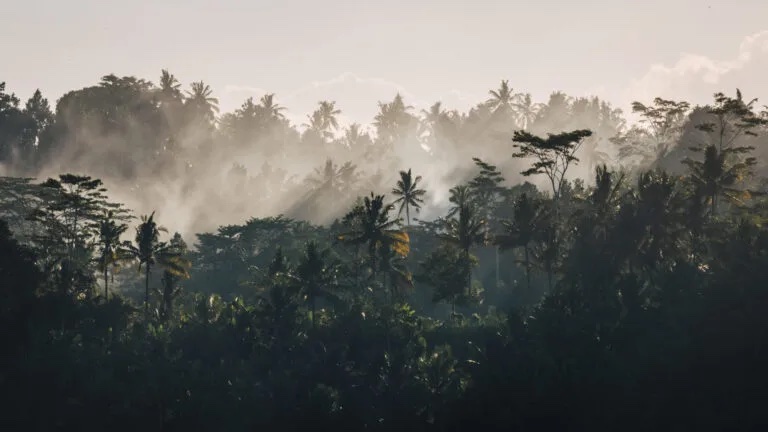
Created by an inspiring New Zealand couple, Tracey and Rob, former detectives with no formal hospitality background, the resort has a distinctive sense of individuality. This is not a place shaped by corporate templates or generic luxury trends. It reflects personal vision, curiosity and care. It’s personal, expressive and quietly soulful.
With only 28 rooms and villas, the property feels intimate without being insular. Paths weave through lush gardens, revealing hidden seating areas, sculptural details and three beautifully positioned infinity pools that never seemed crowded.
Accommodation here is varied and imaginative. Some villas are built from bamboo, others reinterpret traditional rice barns, while newer wellness suites offer a more contemporary style. I stayed in the Jala Garden Suite, which included a private yoga shala and a feng shui-inspired water garden crossed by stepping stones above koi ponds. It was one of the most characterful rooms of the trip.
Inside, the design was layered and playful: carved wood, dramatic black tiles, symbolic objects that escape me now and a sunken bath that became an unexpected focal point. Yet despite the eclectic elements, the space felt coherent and not chaotic.
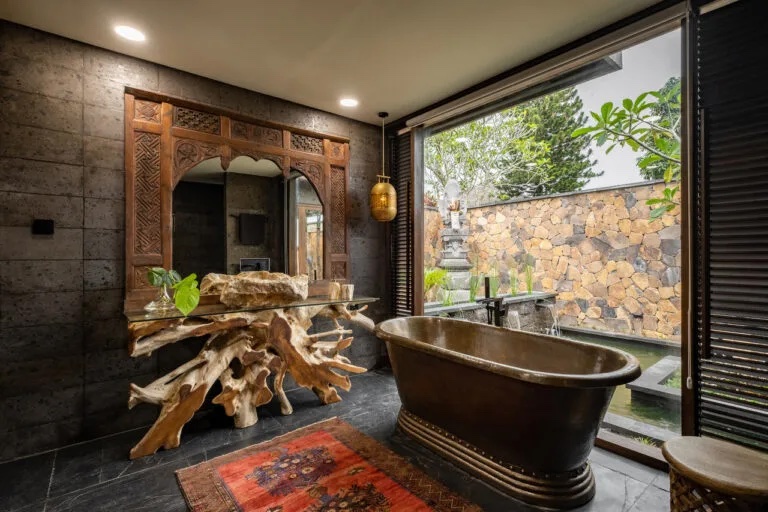
Luxury at Samanvaya is not about excess polish. It is about personality.
Mornings began with private yoga practice followed by breakfast overlooking the valley. Fresh fruit, vibrant local dishes that sadly I didn’t get a chance to try and thoughtfully presented teas turned a simple meal into a daily ritual. The landscape did much of the work: mist lifting, birds moving through the fields, light changing across the terraces.
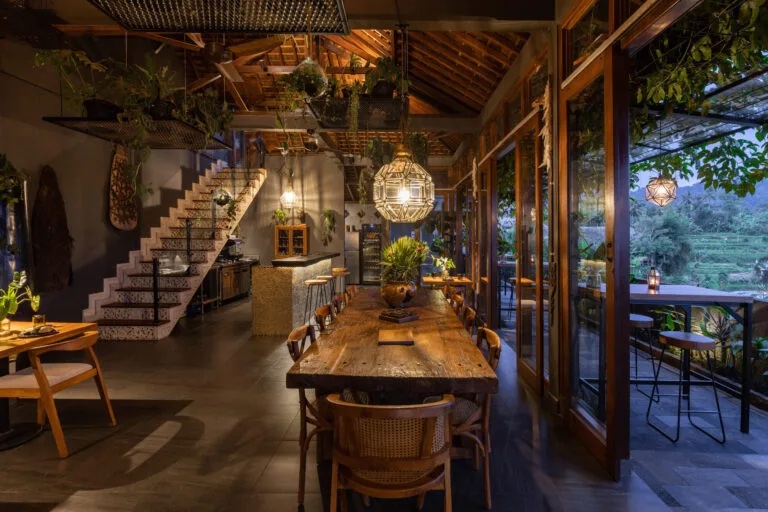
Afternoons encouraged idleness in the best sense. A Balinese tea service, a swim, a book, or simply watching weather patterns roll through the valley. Time stretches here.
If you’ve the time, try a guided scooter journey through Sidemen. Riding through villages, rice fields, and temple-lined roads offered insight into a Bali that feels less commercialised and more connected to land and tradition. Farmers worked by hand, shrines sat quietly at crossroads and life continued.
Back at the resort, that same authenticity carried into service. Staff were warm, attentive and proud of the place they helped shape, but never over-rehearsed.
Dining is split between two venues. Asri, set in a softly lit garden, offers vibrant dishes rooted in local ingredients, while Sahaja pairs Asian-inspired plates with panoramic valley views. Both feel relaxed rather than dinner theatre.
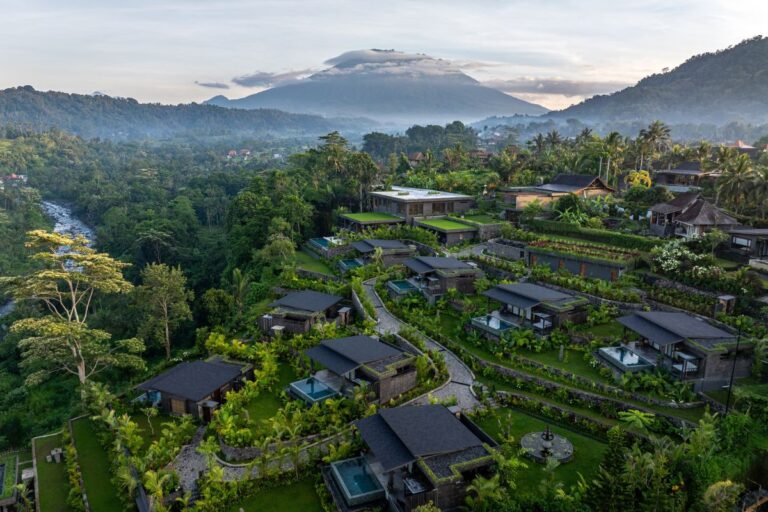
Well-being is approached with similar dedication. The Ananda Spa and Bathhouse includes hot and cold therapies, steam, stillness and treatments designed to restore rather than merely pamper. During one massage treatment, rain began falling on the roof while eucalyptus filled the room, one of those sensory travel moments impossible to manufacture.
What makes Samanvaya memorable is the atmosphere it creates. It invites guests to slow down without ever preaching wellness or simplicity. Where some luxury resorts aim for almost sterile perfection, Samanvaya aims for feeling. It is more human for that and I found all the more welcoming.
Batu Karang Lembongan Resort & Spa, Nusa Lembongan
A short boat crossing from Bali, Nusa Lembongan feels looser, lighter and less mediated. Roads narrow, scooters outnumber cars, and the island carries a casual energy.
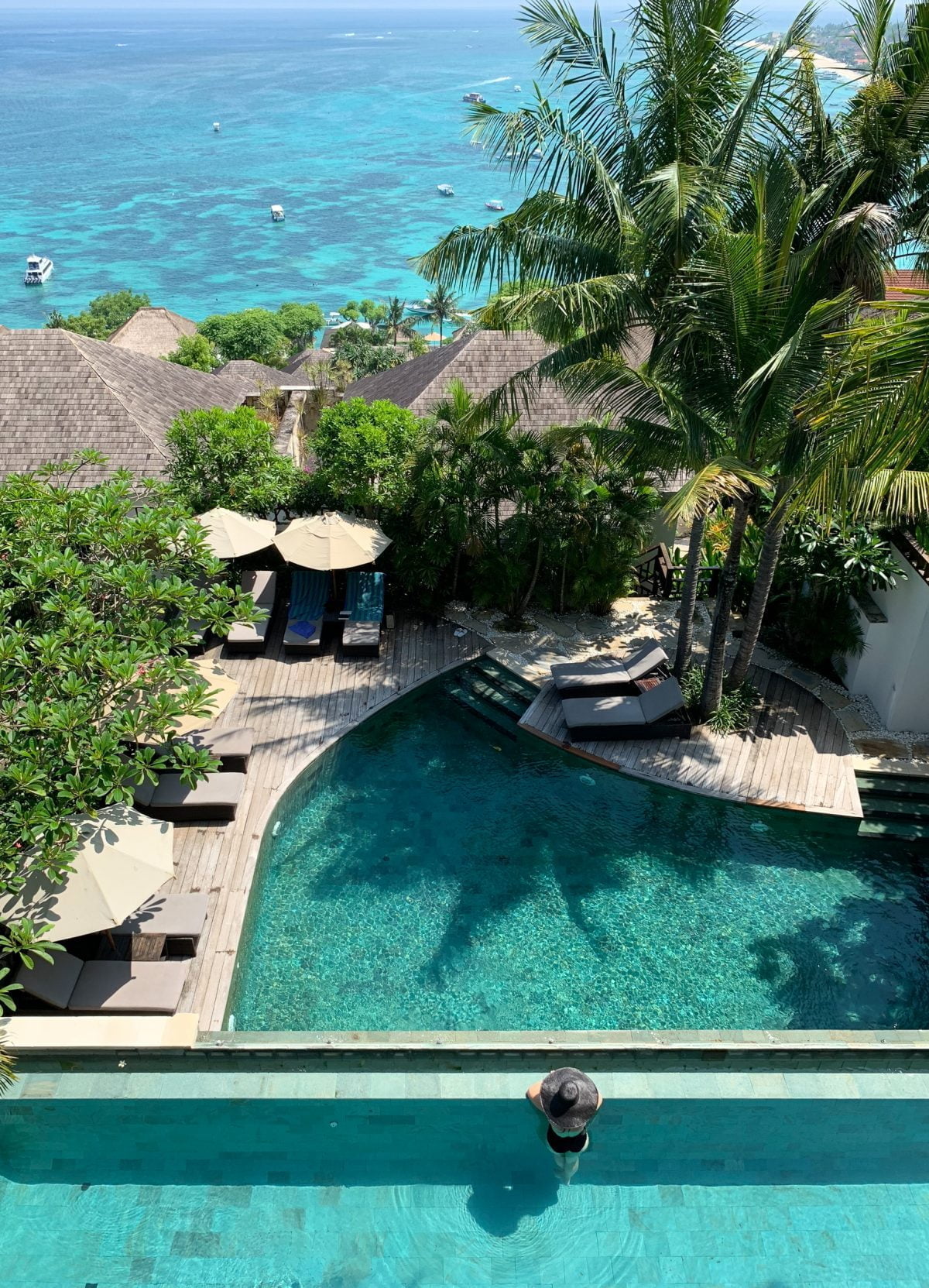
Batu Karang is built into the hillside above the shoreline, its name meaning “coral stone.” From the water, it appears woven into the landscape. Created by an Australian family who fell in love with the island, the resort feels very personal rather than overtly branded. There were three pools, a spa, gym and multiple dining venues, but the atmosphere always remained incredibly relaxed.
Our one-bedroom villa had high ceilings, a white draped four-poster bed, dark wood furnishings and a veranda overlooking the bay. Outdoor bathing with broad ocean views encouraged a slower rhythm in me, almost from arrival.
This was not a place that asked to impress. It simply invited you to unwind.
In fact, I was offered an upgrade to a larger residence, but chose to remain where I was. By then, the island’s pace had already begun to alter my own priorities.
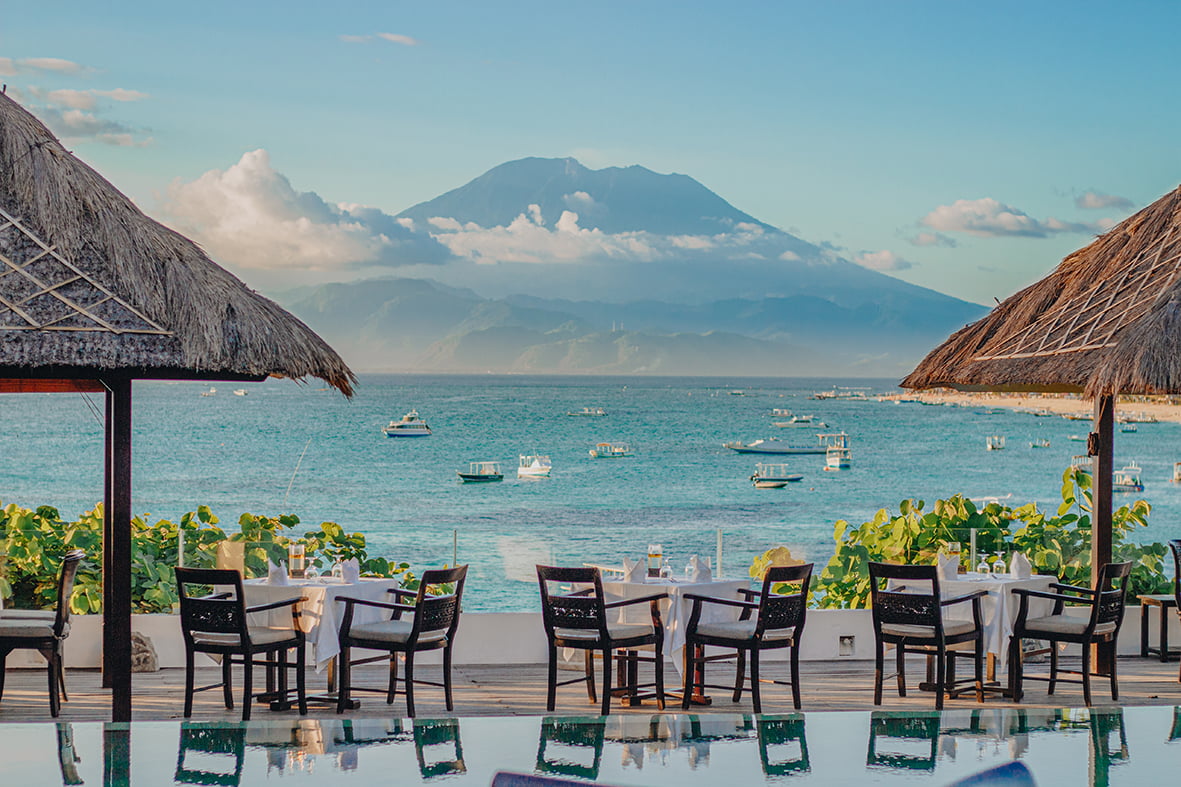
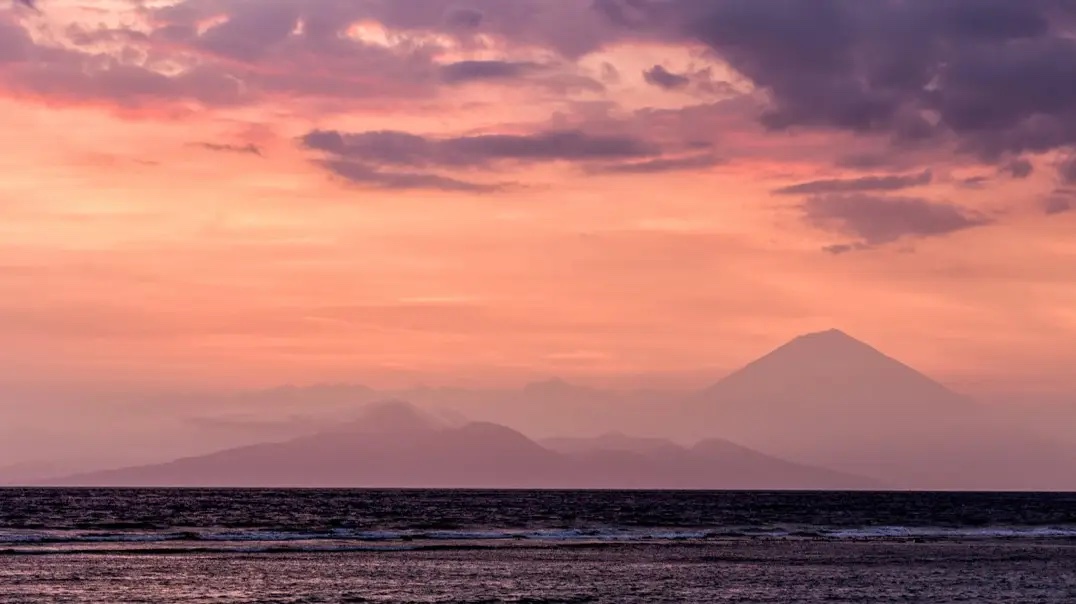
From the terrace, surfers moved across reef breaks known as Playgrounds, Lacerations and Shipwrecks, while Mount Agung rose in the distance, shifting colour with the light. It was a view that constantly changed and invited effortless meditation.
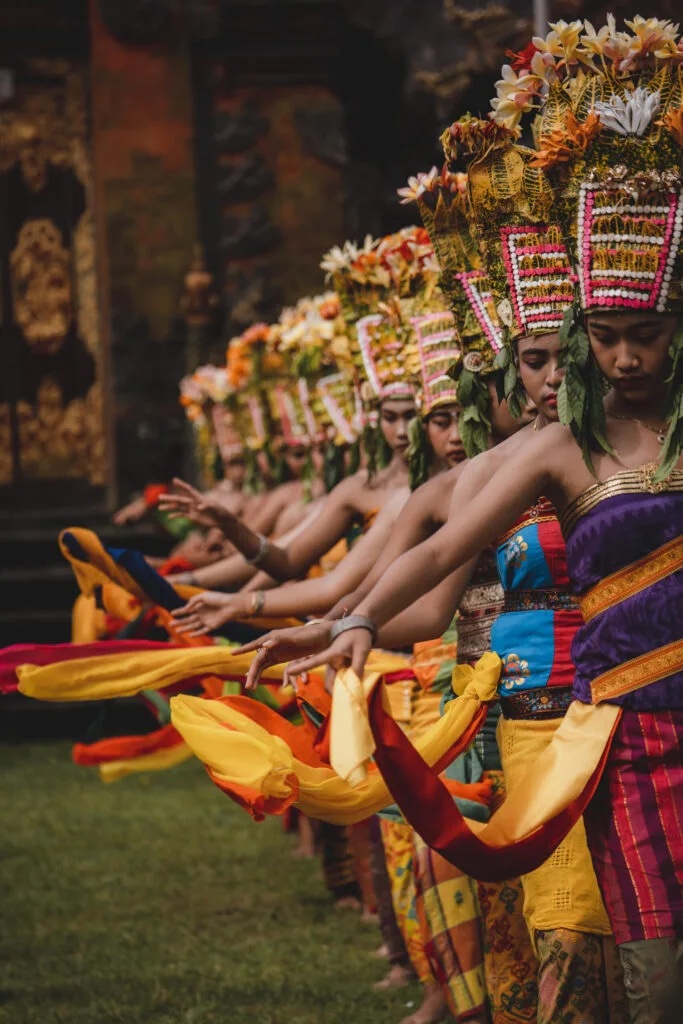
The most profound part of my stay came rather unexpectedly. I happened to be on the island during Nyepi, Bali’s Day of Silence. The night before, Ogoh-Ogoh celebrations brought fire, sound and giant effigies carried through the streets in an extraordinary communal release of energy. Then came the contrast.
Nyepi brings complete stillness: no lights, no travel, no work, no noise. The island pauses entirely.
At first, such silence can feel unfamiliar. Without distraction or agenda, time expands. You notice weather, light, breath, thought. Genuine quiet luxury. At Batu Karang, overlooking sea and sky, the effect was amplified. It remains one of the most memorable travel experiences I have had anywhere.
If you are seeking silence and escape, the island’s natural appeal continues offshore. A private snorkelling trip brought encounters with magnificent manta rays and turtles moving through crystal-clear water; however, the herd of boats around us was a stark reminder of tourism’s growing pressure on fragile ecosystems.
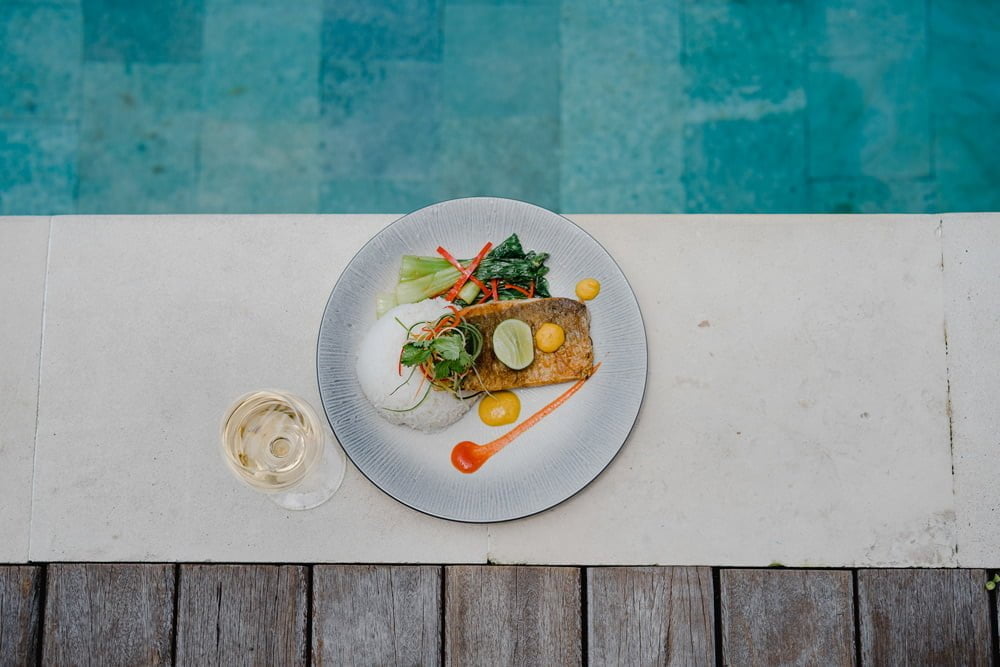
Evening dining matched the island mood. At Muntigs Bar & Restaurant, freshly grilled seafood and tropical cocktails arrived against dramatic bay views. At The Deck, meals slipped easily into long afternoons and evening sojourns. The resort’s hydroponic garden, supplying herbs and produce, felt characteristic: practical, understated and quietly progressive.
Batu Karang redefined luxury for me through subtraction rather than addition. Less formality, less pressure, less performance.
What remained was space, perspective and release.
Villa Tokay, Gili Air
If Bali reframed luxury for me, Gili Air distils it further.
Reached by boat and horse cart, the island has no cars and no interest in urgency. Sandy paths thread through palms, bicycles lean outside cafés, and the soundtrack is tide, birdsong and distant prayer calls. Life feels wonderfully pared back.
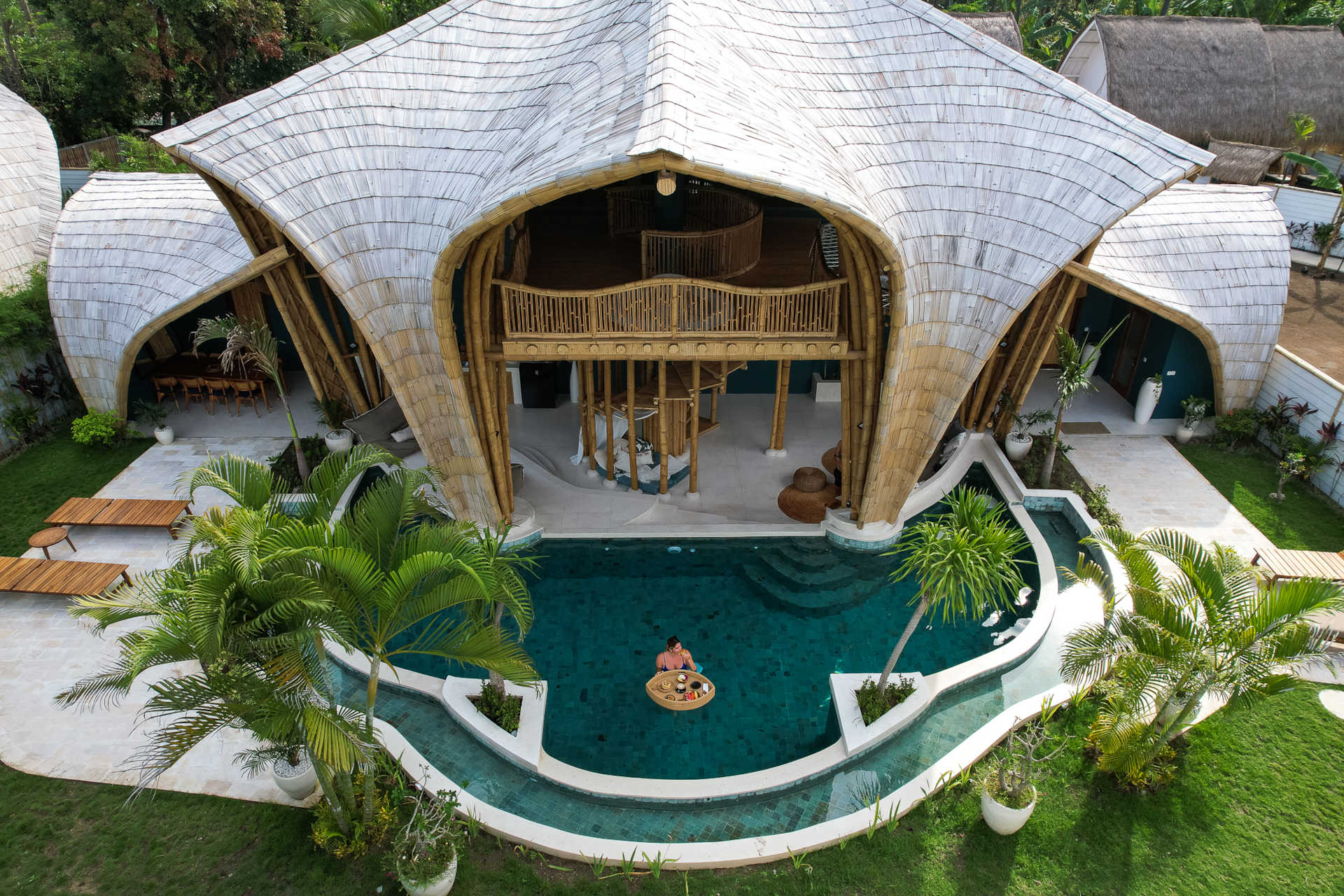
Set discreetly within tropical gardens, Villa Tokay is part of Small Luxury Hotels of the World, yet it wears that status lightly. There are just eight villas, each individually designed, with architecture that curves and flows rather than conforming to straight lines.
We stayed in Swell, a private villa arranged around its own pool. Interiors were earthy and tactile: natural woods and tones, soft fabrics and filtered light. Large openings blurred the line between indoors and outdoors so completely that the garden felt part of the villa.
Arrival was intentionally effortless. A cool towel, drink and small platter appeared quietly, while check-in was handled remotely. No desk, no ceremony, no interruption. An ease that defined the entire stay. Service operated largely through WhatsApp, making requests feel informal. Staff were warm and generous, but never intrusive. You felt cared for without ever feeling managed. A delicate balance.
The smallest details were made memorable: fresh milk left for morning tea, beautifully scented towels, breakfast pre-ordered the night before so mornings could begin gently, and a handwritten guestbook filled with recommendations from previous guests.
Villa Tokay understands that luxury often lives in simplicity.
The island itself mirrors that philosophy. Mornings were spent cycling barefoot on sandy paths, stopping for juice as cafés opened, then slipping into clear water where turtles swam alongside you. No excursion required, no grand production.
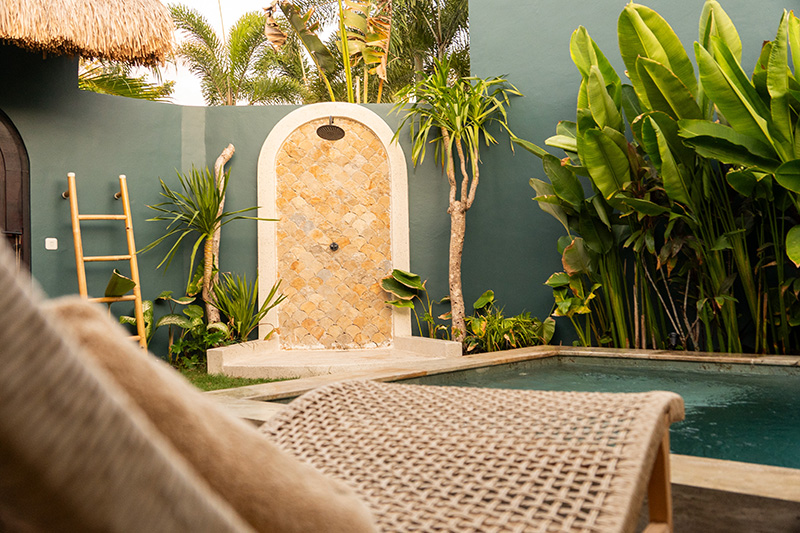
Outdoor showers at Villa Tokay became unexpectedly reflective, accompanied by the distant call to prayer. It was a reminder that although Bali’s influence is nearby, Gili Air follows its own cultural rhythm.
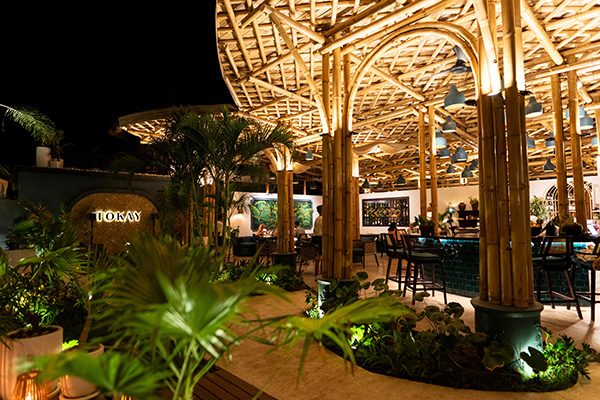
Dining across the island is casual: local warungs beside stylish cafés, all rooted in fresh produce and the sea. At the villa, you can dine at the shared pool and Kai Restaurant, which offer a variety of dishes such as Banana Leaf Barramundi, Tokusen Wagyu Beef and Slipper Lobster Rolls.
Evenings dissolved into extraordinary sunsets, the horizon washed in pink, amber and violet. On the Spring Equinox, the beach filled with firelight, chanting and movement, another reminder that ritual often appeared where I least expected it.
By this stage of the journey, my understanding of luxury had changed entirely.
At Villa Tokay, luxury was not about scale, status or spectacle. It was freedom. Privacy. Simplicity. The chance to move through each day without noise, urgency or obligation. Of all the places I stayed, it was perhaps the most quietly transformative.
Beyond Luxury
Across Bali and its neighbouring islands, each stay offered something different. Some expected and some unexpected.
Raffles Bali delivers refinement and emotional intelligence. Samanvaya offers creativity, warmth and connection to the land. Batu Karang reveals the luxury of release. Villa Tokay distils everything to freedom and ease.
What united them was not design or price point, but a feeling. A devotion to delivering their very own kind of luxury.
In this part of the world, luxury is often less about what is added than what is restored: balance, stillness, perspective and presence.
And those are the souvenirs that will last longest.