There was a time when a ‘luxury’ holiday was expected to be a little ostentatious. The hotel had to be elite, the destination chic, the drinks served with panache and the travel ideally needed to fit that Slim Aarons ‘JetSet’ aesthetic.
But tastes and times change as quickly as the weather in a ‘social first’ market. Now, ‘luxury’ is marked more by needs like increased security, time efficiency, shared experience, sustainability and hopefully serenity. If you spend much of the week surrounded by meetings, another hotel lobby might not be your particular brand of vodka.
After a busy week, a couple of days sojourn somewhere quiet can offer more of a restorative break than a long haul stay where you still have to be actively engaged. The appeal of remote estates and small country hotels has long endured.
The obvious difficulty with these kinds of destinations is, of course, getting there in the first place, since they don’t tend to be anywhere near major commercial airports. That’s less of a problem for a long holiday, but for a Friday-to-Sunday escape, spending much of the first day on connections or a lengthy onward drive can quickly make the trip feel impractical.
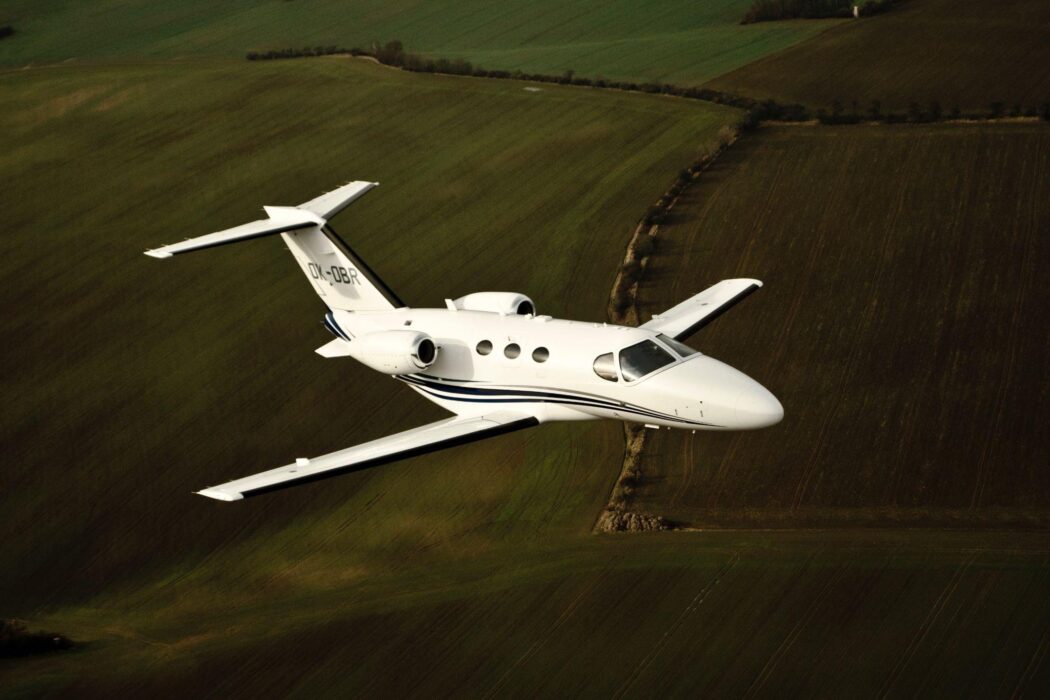
This is where private jet charter can be helpful, since being able to use smaller airports can put you closer to regions that are otherwise poorly served by scheduled routes.
North Wales is a good example of one such place. Palé Hall sits in the Dee Valley near Bala, on the edge of Eryri, Snowdonia. The hotel has its own helipad, so guests can arrive directly at the estate rather than travelling across Wales.
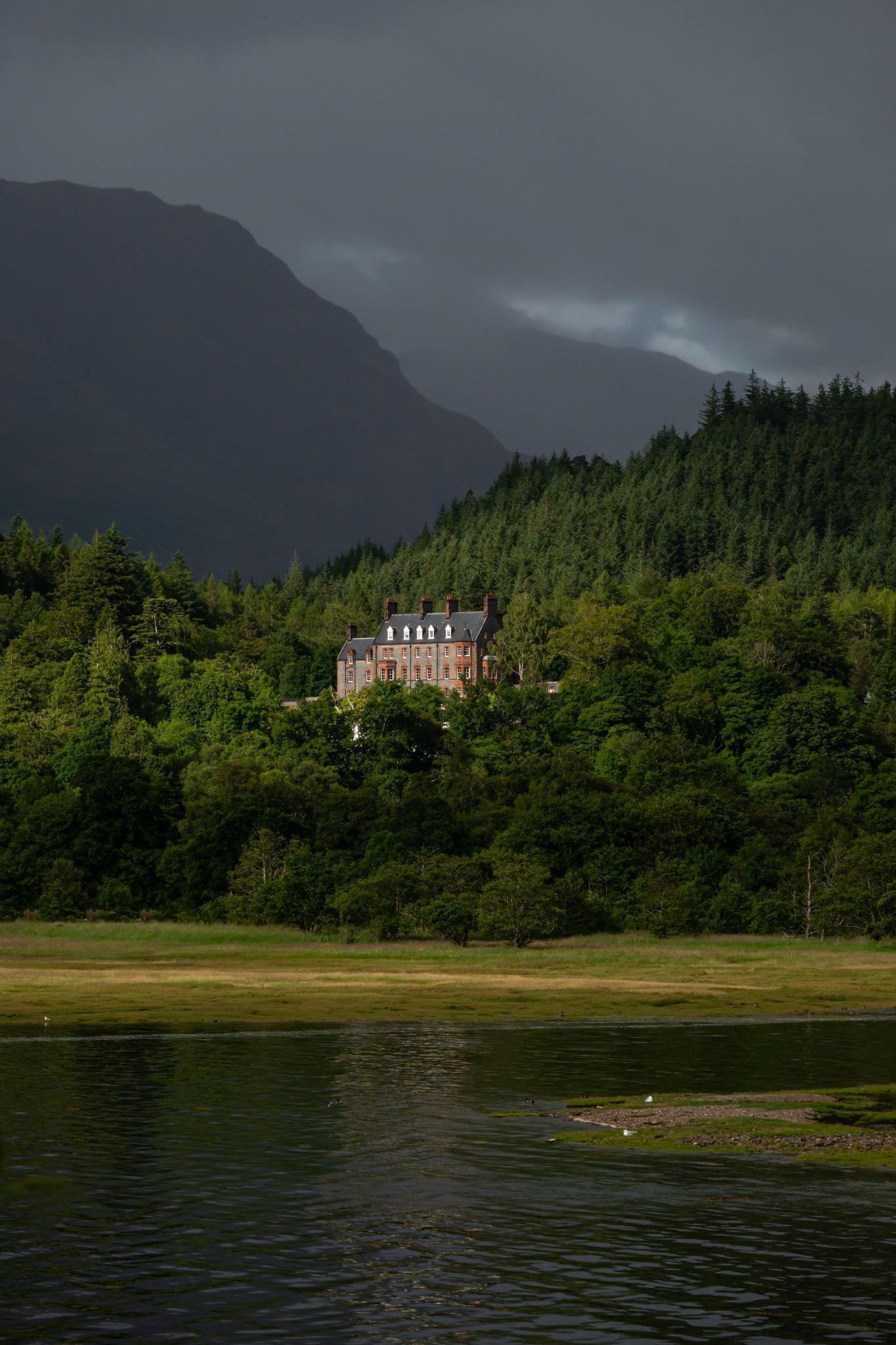
Scotland takes that sense of separation even further. Glenapp Castle sits near Ballantrae on the Ayrshire coast, surrounded by gardens and woodland. Prestwick Airport is approximately an hour away and accommodates private aviation, while the castle itself has helicopter landing facilities.
Go further north into the Highlands and the surroundings become even more isolated. Sutherland is home to remote estates, lodges and vast open landscape for a real unplug.
What links these places isn’t high-end accommodation. It’s that you can leave the working week behind, if you even have one and, within a relatively short period of time, find yourself somewhere that feels considerably further from everyday life than the mileage would suggest.
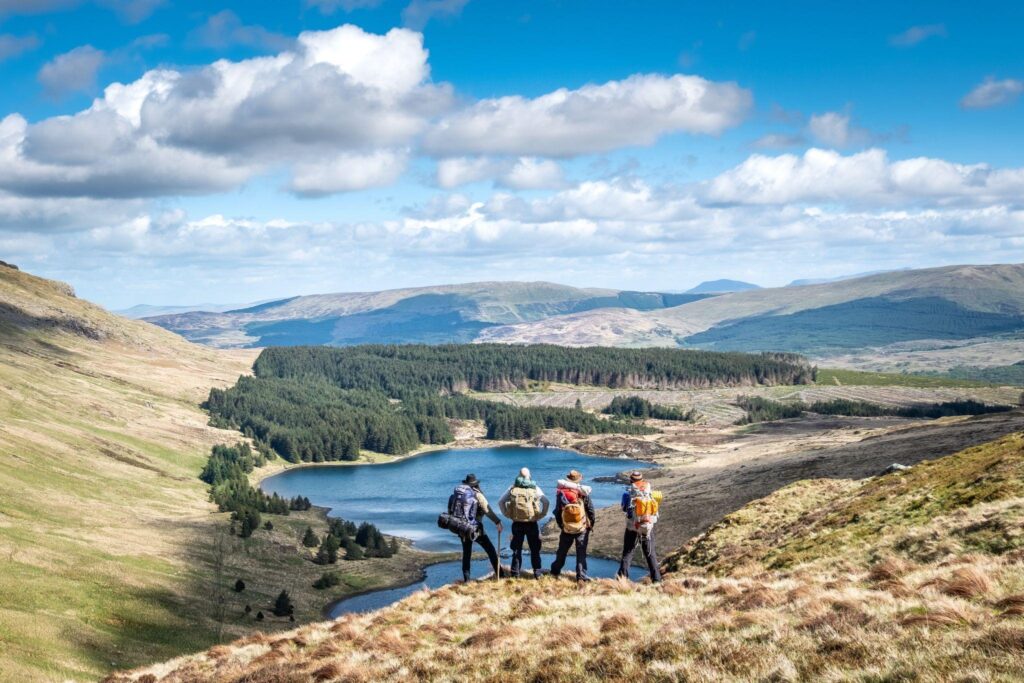
Private travel doesn’t make every isolated property completely effortless to reach. Weather can affect smaller airfields, and there may still be a drive or helicopter journey at the other end. A final drive through the Highlands may be a pleasant part of arriving at an estate, whereas several poorly timed connections could undermine the ease you’re looking for.
The goal isn’t to remove the feeling of travelling somewhere remote, but to make the journey there as efficient as possible so that the weekend still feels like a break once you touch down. And perhaps that’s the biggest change in what people now expect from their aviation and travel suppliers.
Stylish destinations aren’t going out of fashion any time soon, but there’s something increasingly appealing about going in the opposite direction and heading for the rugged coastline or the remote outcrop.
You can spend Friday afternoon surrounded by M&A paperwork, then wake up the next morning in the Welsh countryside or looking out across a quiet Scottish glen. There doesn’t need to be much on the itinerary because getting away from the usual pace is the point in the first place. If you’re going on a weekend away, the real sense of indulgence you get may simply be from having the freedom to disappear for a couple of days.