As the winter season moves ever closer towards its calendar of dinners, charity evenings and cold weather gatherings, there is a renewed appetite for clothing that carries both character and craft. The constant churn of fast fashion should hold little appeal for those of you that understand quality, provenance and the long arc of style. Instead, many are turning to historical aesthetics for inspiration, particularly the Renaissance era, a period whose textiles, colours and silhouettes remain remarkably resonant.
This is not an exercise in costume alone. Rather, it is an exploration of how Renaissance ideas in cut, fabric and proportion can inform a contemporary wardrobe, especially at a time of year when formality and atmosphere lend themselves to richer expression.
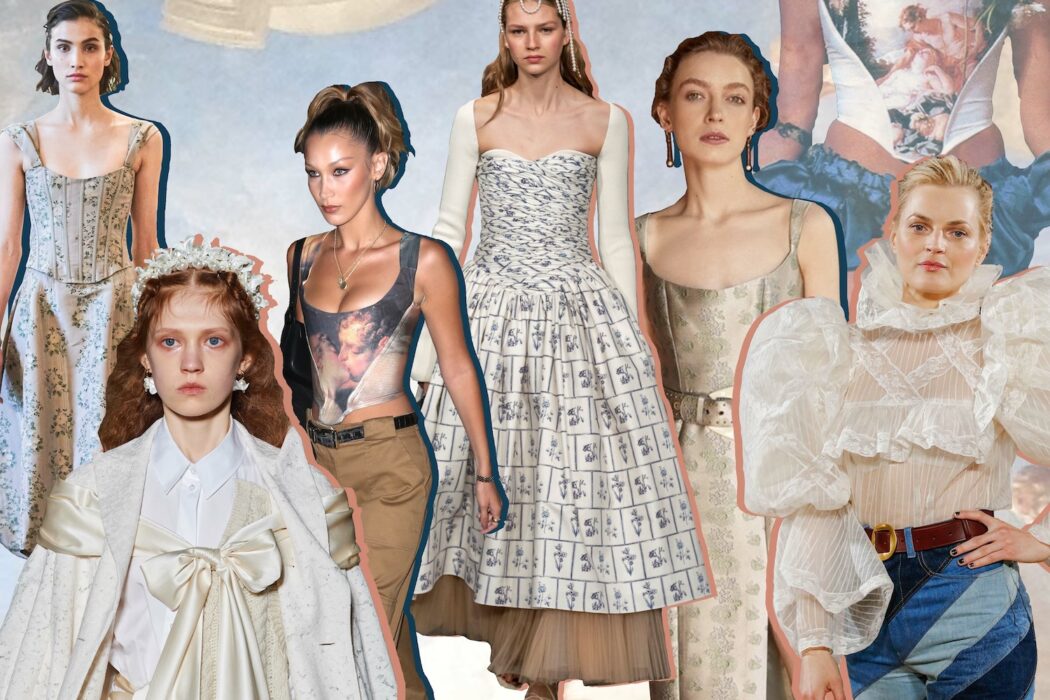
The Renaissance offered a level of material sophistication that continues to influence modern tailoring. Deep colours, sculptural fabrics and considered structure were central to the period. Gowns were designed with generous sleeves, architectural bodices and long, expressive lines. Garments placed the emphasis on presence and detail, qualities that translate well into a modern context when handled with restraint.
These references do not need to be literal to evoke the era. They can appear subtly in a sleeve line, in the weight of a fabric or in the decision to choose a textured textile rather than something disposable.
If you are intrigued by the Renaissance era, take a look into historical re enactment events, which can provide a wealth of inspiration. Understanding how historical garments were constructed and worn can inform your choices today and offers a richer perspective on the materials and forms that define the period.
The simplest way to draw from the Renaissance without drifting into costume is to focus on material. Velvet, brocade, heavy silk, fine wool and linen were central to the visual culture of the era. These fabrics still feel refined and contemporary when cut well. During the festive season they also offer welcome warmth and visual depth.
Colour plays an equally important role. Burgundy, forest green, amber, gold, midnight blue and deep black were prized in the sixteenth century and carry a natural elegance that works well for winter engagements. A single statement garment in one of these tones, whether a gown, a jacket or a tailored piece, can elevate an ensemble without overwhelming it.
Patterns should be chosen with clarity. Period textiles often used repeat motifs, but in a modern setting it is better to interpret these ideas in a simpler form, such as a subtle raised texture, a tonal pattern or a structured weave that nods to history without replicating it.
Accessories can shift a historically influenced garment firmly into the present day. Sleek leather boots, contemporary heels, minimal jewellery or a sculptural cuff can balance the richness of a Renaissance inspired piece. A modern bag or a well chosen clutch provides contrast without diminishing the garment. High quality, modern accessories ensure the overall appearance remains grounded in contemporary fashion.
Layering offers considerable scope for interpretation. A fitted leather jacket over a velvet gown can create a confident contrast, especially in colder weather. A silk shawl or tailored cape can lend formality while allowing a period influenced dress to retain its movement and silhouette. Practicality need not compromise style. Tights or leggings in winter can add comfort while maintaining the elegance of the underlying garment.
The most engaging outfits are those that reflect the wearer rather than an era. Renaissance influence can be combined with elements from other periods or with contemporary staples. A gown worn with a modern coat, a tailored blazer or a textured knit can create an entirely current expression.
Hair and makeup can also contribute significantly. A glossy blow dry, soft waves or an understated chignon provide a contemporary counterpoint to a dramatic gown. Makeup can follow a similar pattern, with a bold lip for contrast or natural tones for a serene, atmospheric look.
A Renaissance inspired gown can be an impressive choice for a winter ball, a charity gala or a formal dinner. In this context, keep accessories refined and allow the silhouette to speak for itself. Simple earrings or a delicate bracelet may be all that is needed. Consider a structured updo to emphasise the neckline and create a harmonious profile.
Winter markets, theatrical events or themed festivities offer room for bolder expression. Colourful jewellery, layered textures and floral accents can create a sense of celebration. In these settings, comfort plays a role, so ensure footwear is chosen with the environment in mind.
Turning a Renaissance inspired dress into daywear is possible through careful pairing. A denim jacket, a wool coat or well made trainers can soften the drama and create an intriguing contrast. This subtle interplay keeps the look wearable while maintaining its distinctive charm.
There is also a sustainability argument at play. Renaissance inspired garments often emphasise craftsmanship, durability and material integrity. Choosing pieces that stand apart from the rapid fashion cycle encourages slower, more intentional consumption and places value on clothing that endures.
This approach aligns with a broader move towards responsible fashion choices, where the emphasis is placed on longevity, quality and thoughtful styling.
Drawing inspiration from the Renaissance is a matter of selecting fabrics with intention, embracing sculptural silhouettes and balancing historical influence with contemporary clarity. As the festive season approaches, these elements offer a compelling way to dress with confidence, depth and individuality.