Even for somebody well-acquainted with the nature of international travel, there’s something remarkable about the fact that a plane can be boarded in the grim satellite that is Stansted Airport, flown for a mere eighty minutes, and disembarked somewhere that feels worlds away.
Such is the case with much of France – especially when one meanders away from the equal measures of wonderment and stress that Paris offers, and heads instead to the expansive tranquility and elegance offered by much of the rest of the country.
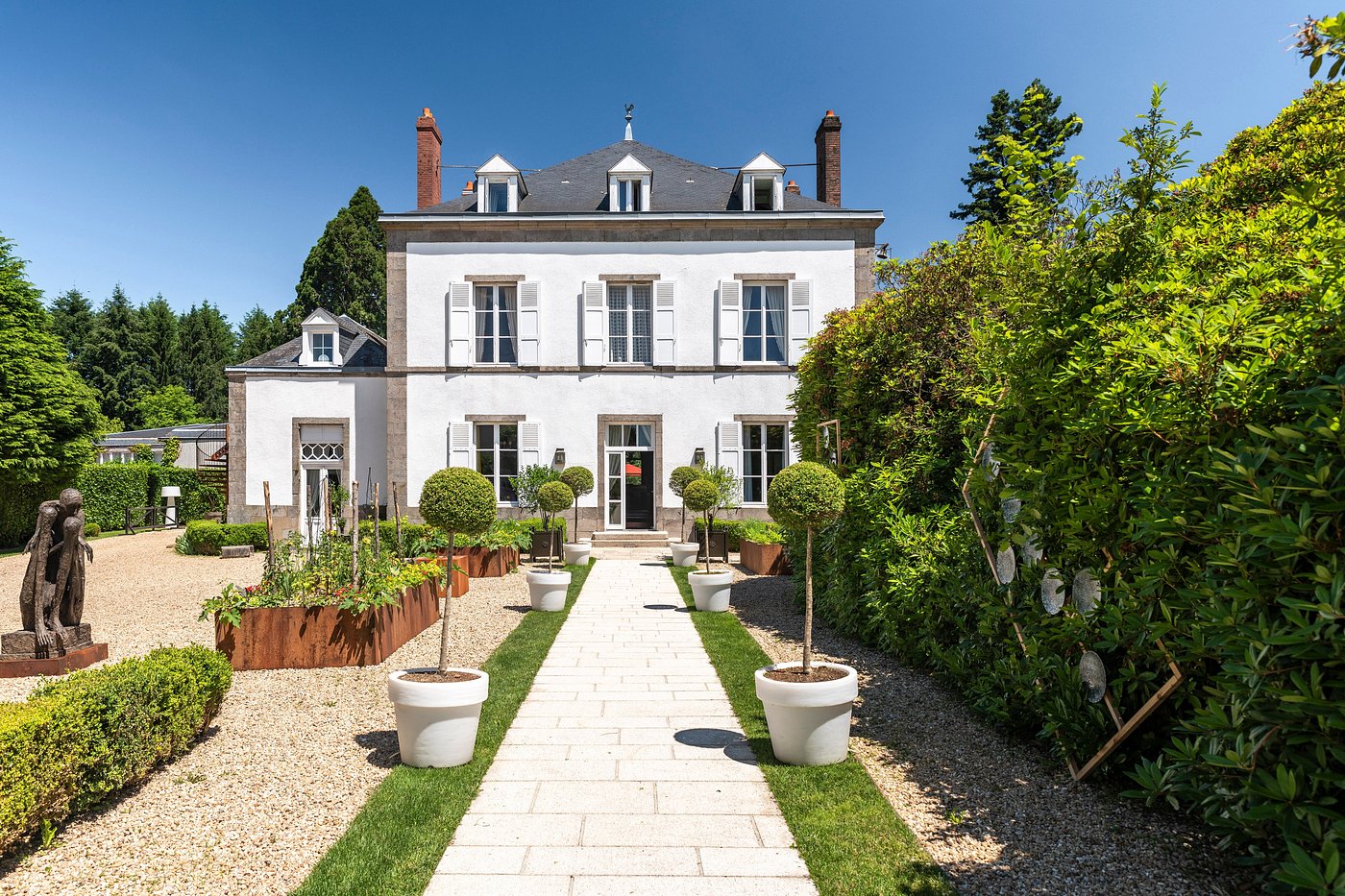
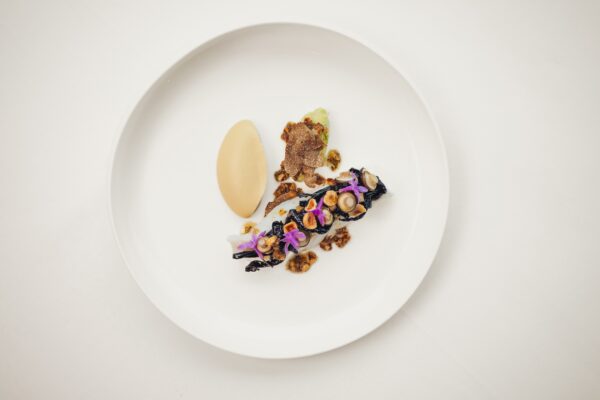
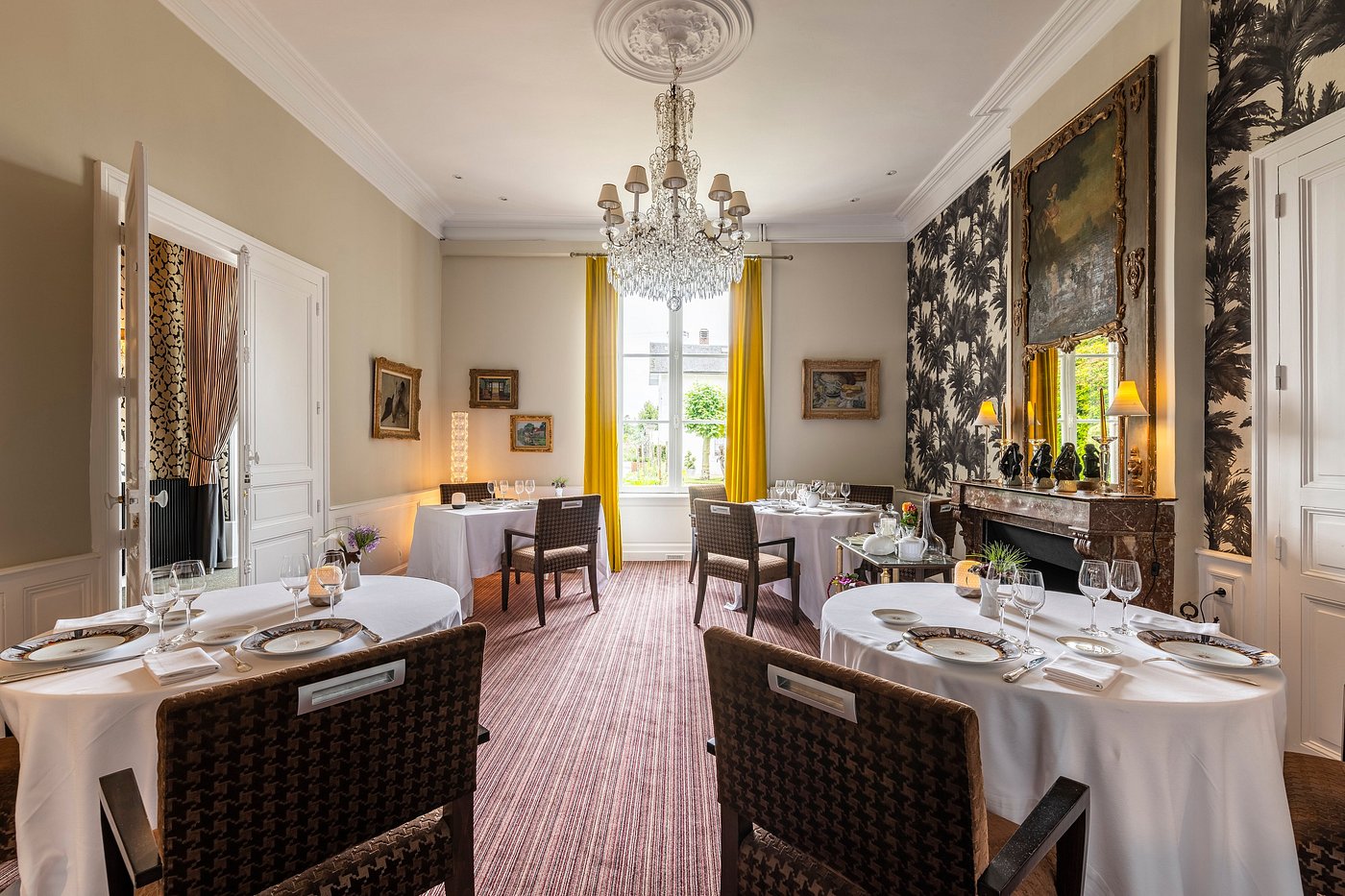
As if to prove that genuine escapism is far, far closer than many realise, a paltry fifteen-minute drive from Limoges airport in France’s central-west region uncover a veritable gem of quintessential Gallic charm: La Chapelle Saint Martin, a stunning boutique hotel (and part of the esteemed Relais & Chateaux group) housed within a Napoleonic mansion and in possession of Le Saint Martin, a Michelin-starred restaurant managed by hotel co-owner and local gastronomic legend Gilles Dudognon. Sitting down in Le Saint Martin’s pristine dining room (and admiring the porcelain tableware supplied by Limoge’s iconic Bernardaud studio), it’s impossible not to enjoy the almost Proustian rush that comes with returning to this special part of Europe – it’s exciting in its familiarity, thrilling in the sense that you’re in very safe hands indeed.
The Limousin region of France is one of those corners of the world where it’s almost impossible to eat badly.
The Limousin region of France is one of those corners of the world where it’s almost impossible to eat badly. Indeed, it’s renowned across the globe for the quality of its beef and for gastronomy with a profound connection with the terroir, and Dudognon’s kitchen team works tirelessly to exceed even the loftiest of expectations. I’m served rose veal of profound tenderness and a lulling, savoury depth, an airy dish of ceps for that unmistakable umami punch, and a chestnut souffle that prompted genuine applause. The Champagne was exceptional, the local wines pitch-perfect in their pairing. The fact I was two hours’ travel from the M11 and the cultural abyss that is Hemel Hempstead – and as such, could see myself visiting La Chappelle as a slightly-more-extravagant-than-usual date night – was something I couldn’t shake from my mind, even as I luxuriated in my beautiful suite that overlooked the manicured gardens that faded with the daylight.
Thankfully, I was in and around the region for the following few days, and the big-hitting flavours and luxury experiences just kept coming. Gilles Dudognon was keen to showcase his other primary projects (of which he has many), each of which flew the flag high for Limousin produce and excellence. Within the historic centre of Limoges itself, I was invited into La Maison du Fromage (one cannot help but enjoy a no-nonsense approach to naming) which turned out to be a cheese shop that gives way, down a faintly perilous staircase, to a medieval cellar that acts as a tasting room. Aged and delightfully funky dairy products, wine, candlelight – who could ask for more?
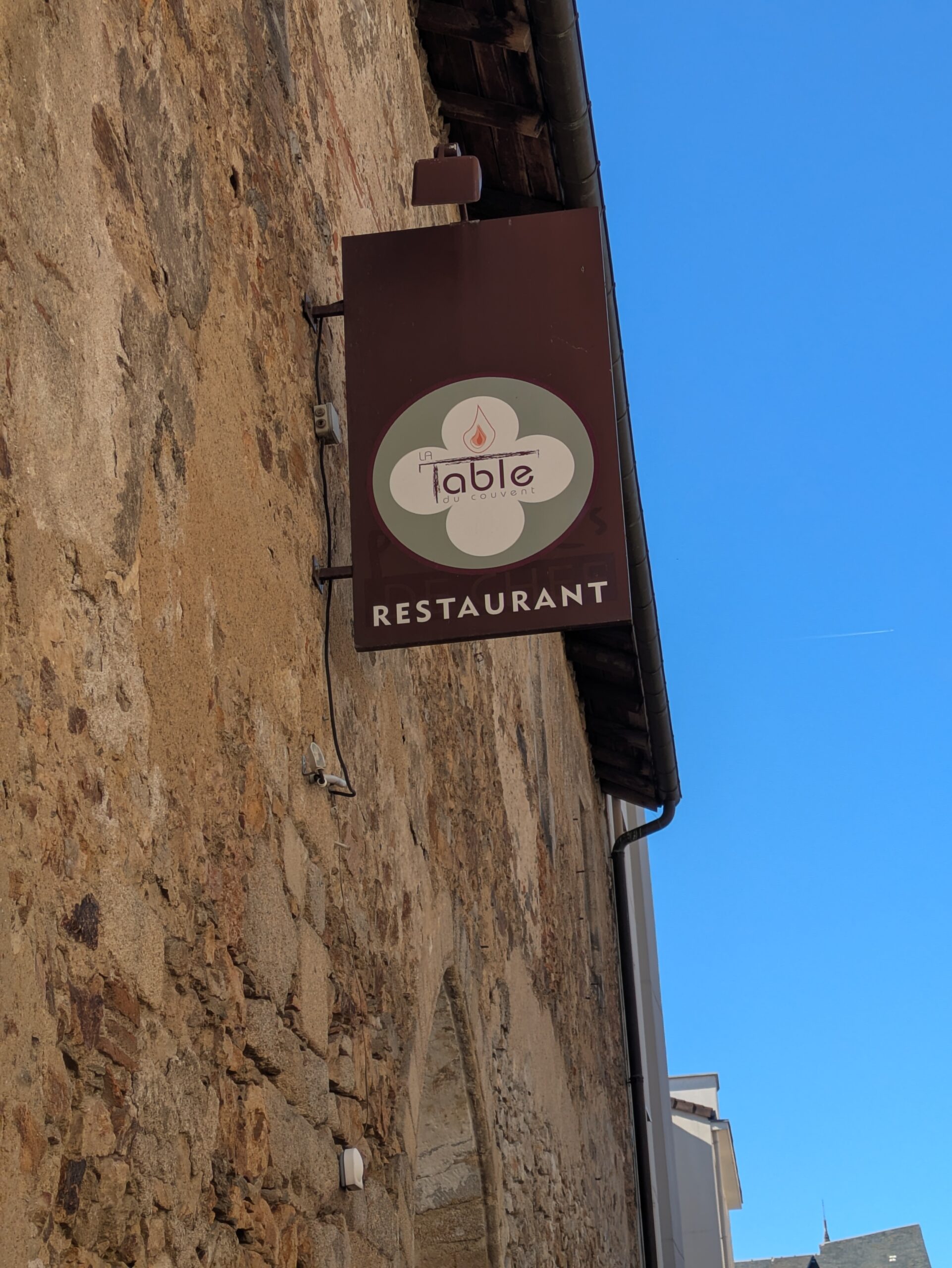
A short walk brought me to the next stop, La Table du Couvent. Housed within a 14th century convent, as the name suggests, this Michelin-starred restaurant is Limousin gastronomy with its gloves off… and I make no exaggeration when I say it may well be my new favourite eatery of all time. The setting brilliantly dramatic, featuring the full gamut of stone arches, stained glass and flagstone flooring. Dudognon applies his considerable skill to the meat and vegetable offerings on the menu, while doing away with much of the technical meticulousness and wizardry on show at Le Saint Martin. This is fine food by way of fire, woodsmoke and cast iron – elemental cookery at its best. Achingly soft and buttery chateaubriand, rustic heaps of dauphinois and charred vegetables, sweetbreads and bracingly honking offal both slap the face and offer comforting embrace, over and over and over again. You’ll leave spectacularly full and – no hyperbole – really quite transformed.
Onwards we go, this time into the depths of the Dordogne – France’s picture-postcard region of dense chestnut forests, towering castles and dramatic cliffs. A quick stop at the beautifully painted Caves of Lascaux prove that people have been exercising their creative muscles in this part of the country for millennia. Before long, I pulled up to the expansive Le Vieux Logis – another Relais & Chateaux property in the village of Trémolat, and home to a flawlessly warm reception in stunningly beautifully environs. Converted from an array of historic buildings around a central maison and farmhouse (and again, boasting a vast manicured garden perfect for wandering in a most wistful fashion) Le Vieux Logis does a sterling job of welcoming visitors to the Dordogne by ticking every expected box and throwing in plenty more for good measure.
Roaring fires, period features, sweeping suites, ever-present glasses of exceptional local wines and a rather moreish hyper-local walnut liqueur; it’s the kind of place you simply don’t want to leave, proven in no small measure by the incredibly dedicated and long-standing staff for whom no request seems too demanding or outlandish. Another Michelin-starred restaurant awaits within the farmhouse’s converted tobacco-drying building, offering a la carte options alongside a tasting menu that featured the undisputed most decadent dish of the tour – a foie gras creme brulee that was every bit as obscenely, outrageously delicious as you’re surely imagining it to be.
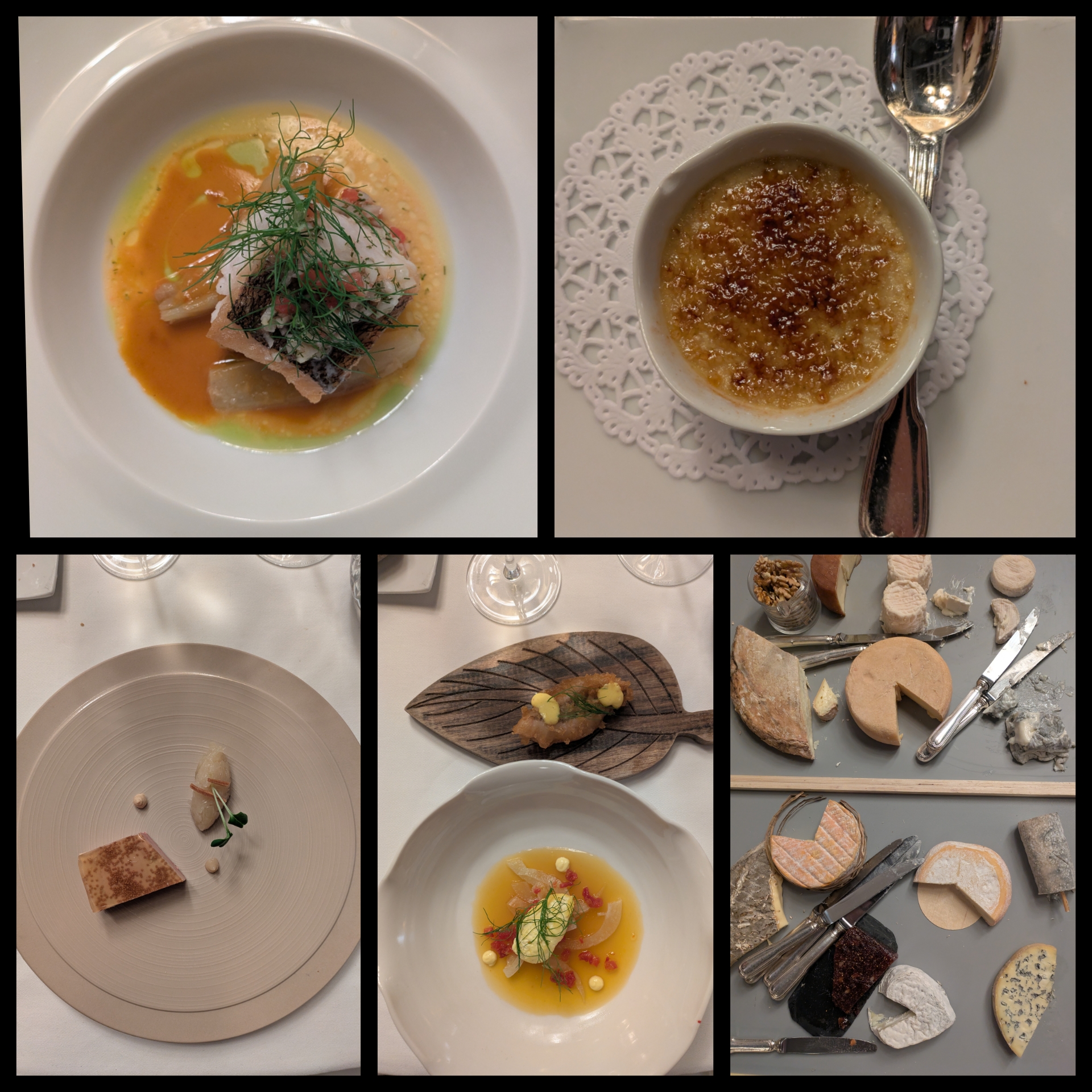
Again, and as to be expected in this part of the world, there’s a serious sense of the local, seasonal and lovingly-crafted on offer. Pearlescent fillets of freshwater fish, plucked from the chalk streams and served with vibrant sauces, a plethora of fungi, of game meats, of yet more foie gras. There’s an honest-to-goodness cheese trolley, wheeled by a chap who clearly knows his way around the region’s finest fromageries. There are desserts that act as an irresistible reminder of exactly which country you’re in, and why it enjoys the reputation it does.
I left Le Vieux Logis with no shortage of sadness. It’s genuinely a place I’d happily retreat to for a considerable length of time. However, one more Relais & Chateaux property awaited, and any sorrow dissipated rapidly upon my arrival.
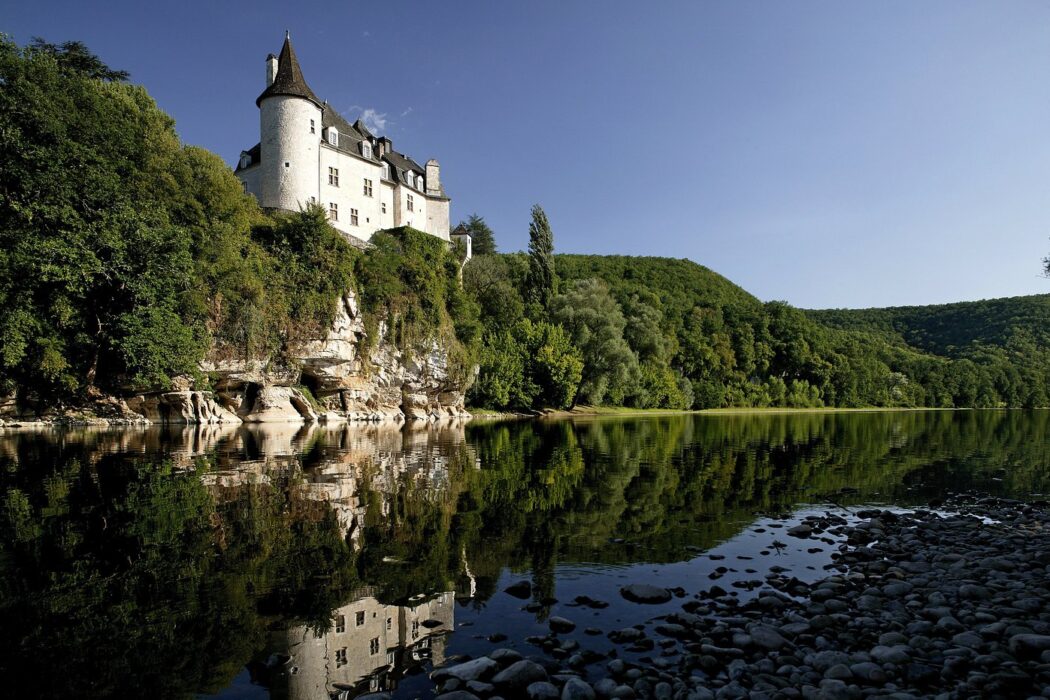
Château de la Treyne knows how to make a bold first impression. After all, it’s a genuine castle – turrets, spiral staircases and all – that sits on a particularly pretty meander in the Dordogne river. Indeed, if you’re after the quintessential Dordogne luxury experience, it’s hard to imagine a more fitting location for a stay; enormous efforts and clearly no shortage of cost has gone into crafting a hotel that feels lifted straight from a fairytale. While I’m fully aware I’ve wandered into bombast a number of times throughout this article, I can only assure readers that I’m trying my best not to. Believe me, it’s not easy.
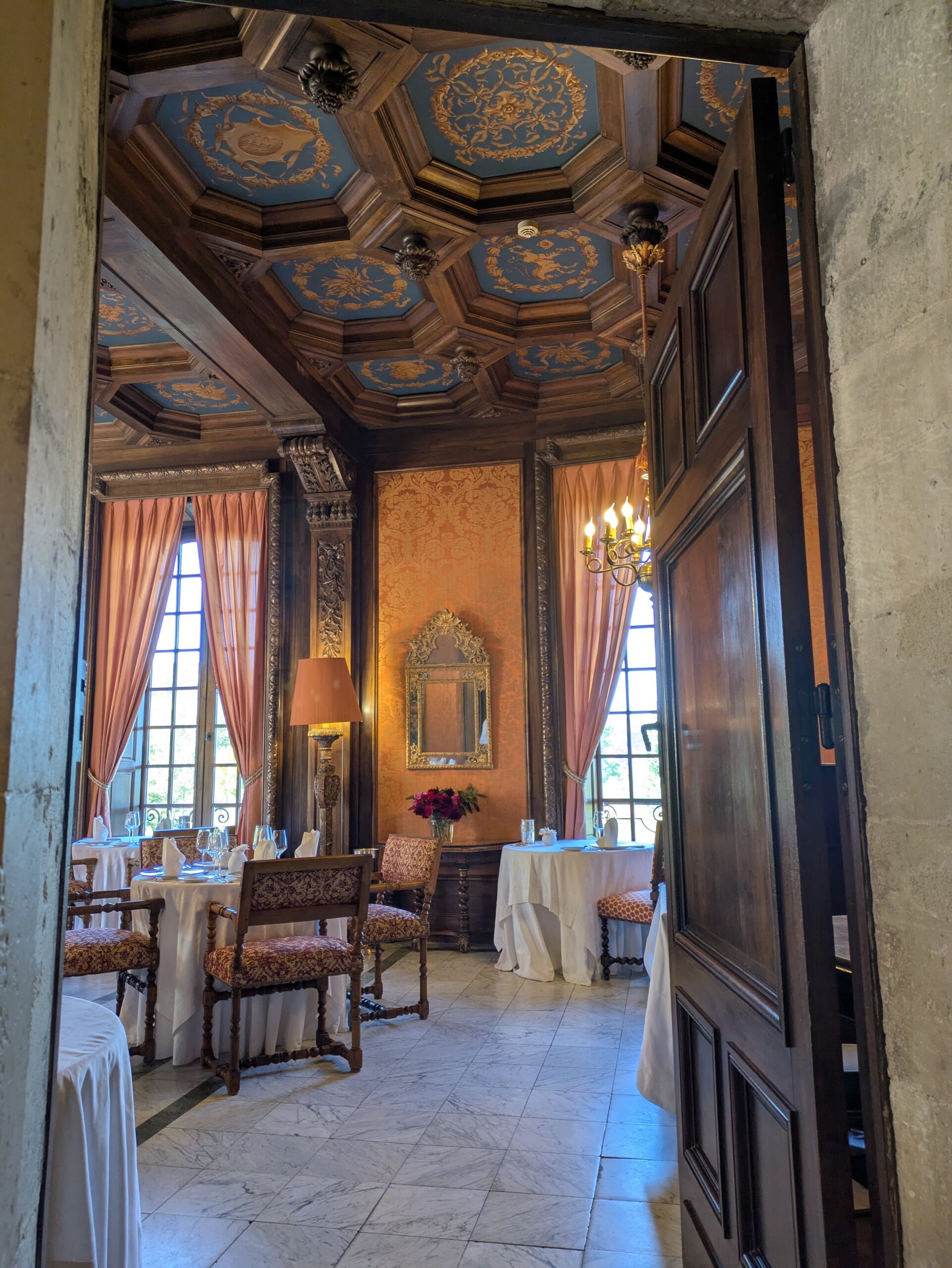
With a limited number of rooms and suites, each decorated to deepen that sense of a radically different time and place, guests are cocooned in a regency-era fantasia from the moment they arrive; there are vaulted ceilings, authentic tapestries, bristling candelabra and historic oil paintings wherever you look. The fact that it’s pulled off with a typically Gallic nonchalance and avoids any sense of the ridiculous is seriously impressive. It’s a genuinely lovely, relaxing and yet opulent place in which to unwind, explore and awaken the senses.
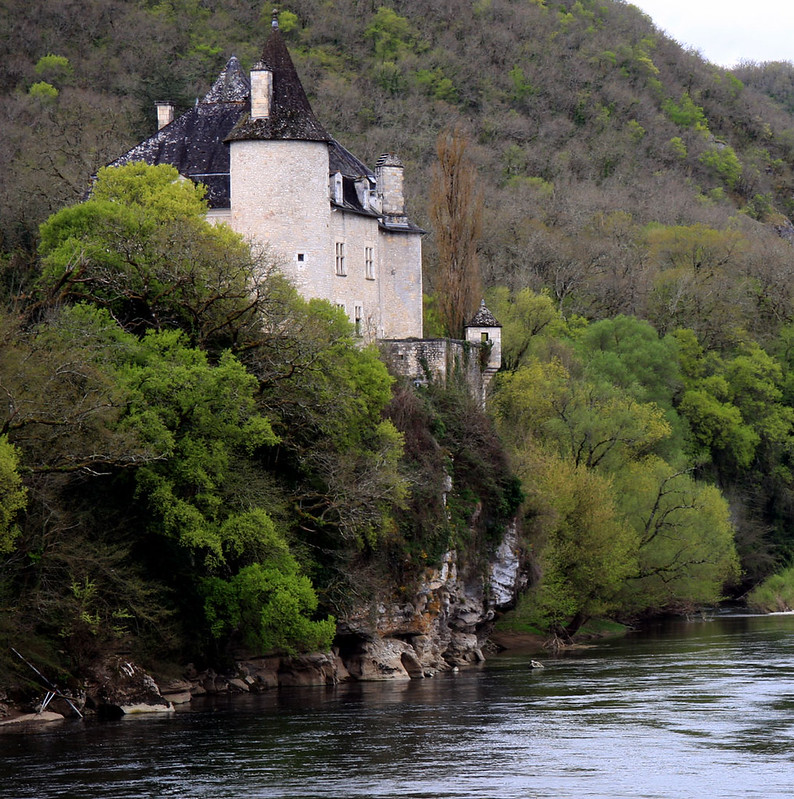
As the golden hour commenced, I was invited onto the broad stone terrace at the south side of the chateau. The river wound its way onwards towards the sea, the sunset provided an impressionistic tableau of vivid hues, and a chilled glass of Pineau des Charentes – the underrated hero of the fortified wine scene – ensured the utmost relaxation. Once ushered into the grandiose dining room, the dinner service began. Heralded by Perigord native Stéphane Andrieux (who has run the renowned on-site kitchen for two decades), Château de la Treyne’s gastronomic offering is well worth travelling for, and judging by my fellow diners’ international origins, its pull and fame extends far and wide.
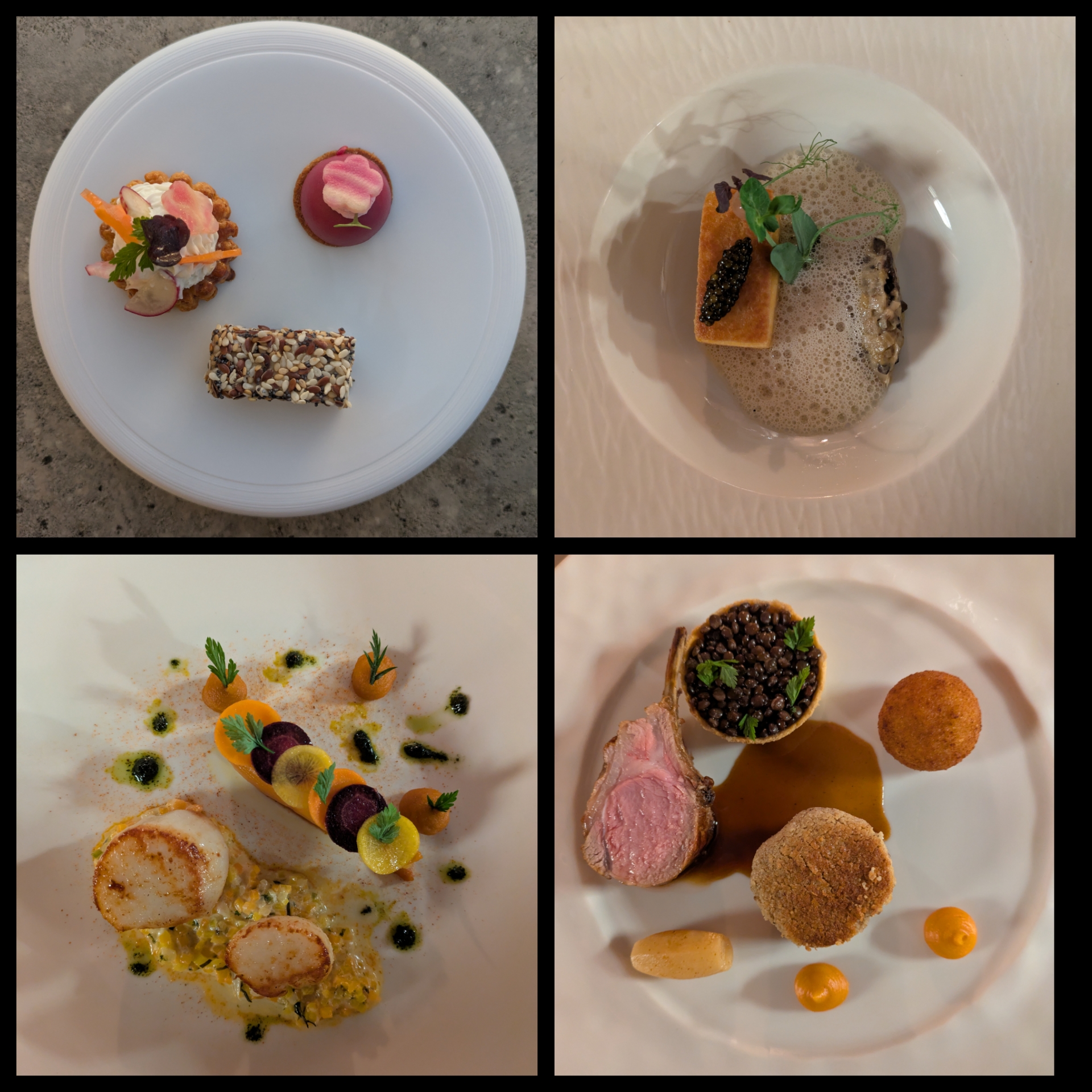
The menu consisted of a thorough rundown of the region’s superstar ingredients – there were plump scallops and sweet langoustines from the coast by Bordeaux, stunningly pink and aromatic lamb from the lush valleys viewed from my bedroom window. Blagour trout was plucked from the river below, a farci of chicken and its confit leg possessed food miles within the single digits, and came with an array of sides of similar provenance and packing an awe-inspiring taste sensation.
A flash of the skill and versatility of the kitchen team arose in truly impressive fashion well worthy of a mention: One of my companions happened to be heavily pregnant on this trip, and was unsurprisingly struggling a little with some of the dishes on offer.
Her condition prompted a serious craving for tomatoes – within twenty minutes of telling the staff, she was presented with a tomato-based dish which featured the fruit presented in a myriad of ways, including a freshly-made quenelle of tomato sorbet. Everything on her plate and mine was – and again, without exaggeration – sublime.
While I’ve visited both the Limousin and Dordogne regions before, the Relais & Chateaux properties I encountered this autumn were a worthy reminder not only of the sheer excellence on offer in this part of France, but of how worthy they are of their enviable reputation. These are regions where natural beauty is met full-throatedly by a commitment to hospitality and gastronomic sincerity, by a clear and tangible sense of local pride, and by a dedication to ensuring each and every visitor leaves with no doubt whatsoever regarding what these places do best.
The fact that it’s such a short and convenient hop from London makes it all the more tempting to return, and return I most certainly shall.